
Helping solve the hidden concussion epidemic
Start Here:
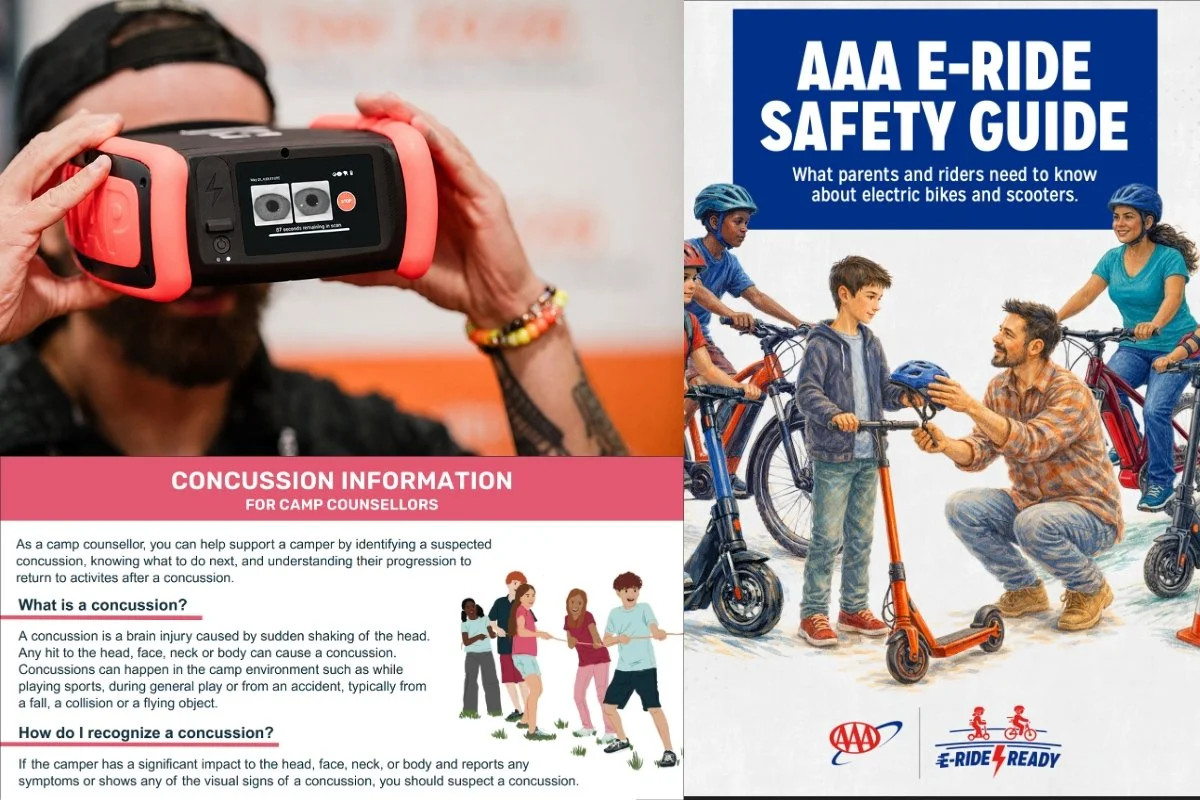
Recovery Guide: Children & Adolescents
Quick Guide: Navigating Your Recovery
For Professionals
Concussions are the most common form of traumatic brain injury (TBI). TBIs are a public health epidemic and are eight times more common than breast cancer, AIDS, multiple sclerosis, and spinal cord injury combined.
1.77
concussions per second
Most TBIs worldwide are concussions (~56 million annually); that is 1.77 concussions per second.
15–50% of patients have persisting symptoms for up to a year or longer.
Many doctors don’t know current guidelines for concussion care, and concussion follow-up “is particularly deficient.”
We are a coalition of people who care about brain health. What sets Concussion Alliance apart?
Unmatched online education for patients
Continuing education for professionals
A unique internship program for undergraduates
Supporting research – recruiting study participants
Comprehensive patient education
18 resources about concussion and related symptoms, mental health, PTSD, & more
26 resources on treatments & self-care and qualified providers
10 resources on risk reduction and treatment for affected communities:
Women and girls, veterans, children, workers, older adults, individuals with pre-existing disabilities, etc.
Continuing education for professionals
An innovative continuing medical education (CME) course and webinar
The Concussion Update Newsletter with biweekly updates on new research and news
Presentations to medical students
Online resources for school nurses and staff and mental health among high schoolers
Concussion Education & Advocacy Internship Program
A unique service-learning internship program
8-week Summer Program
New, School-Year Program
Biweekly Expert Guest Speakers
6-12 undergraduate students are trained per year, with 123 interns trained to date
Supporting concussion research
Recruiting participants for studies, including new concussion treatments
Providing Letters of Support to help research teams gain funding
Contributing to study designs and development of accreditation standards
Concussion patient Michelle Limmer talks about the challenges she faced getting appropriate care and how Concussion Alliance helped her recovery journey.
Join our community and stay informed
Sign up for updates on concussion research, news, webinars, and calls to participate in research studies
Concussion Alliance leads the way in concussion education and care.
But we can't do it without your support.
Your donation allows Concussion Alliance to build resources to help everyone impacted by concussions learn how to manage recovery and advocate for proper care––and inform healthcare providers on current best practices. We’ve got a lot of work ahead of us, and your support helps make that possible.
We are pleased to have earned a Candid (GuideStar) Platinum Seal of Transparency; see our Candid Profile.

Please read our 2024 Annual Impact Report.
Recent Blog Posts
A recent study published in Brain Injury by Jonathan Santana and colleagues found that pediatric concussion characteristics differ significantly with age.
A recent retrospective cohort analysis published in BMJ Open found that concussion patients have a 49% higher long-term risk of being in a serious motor vehicle crash after injury compared to patients with an ankle sprain.
Researchers Frank Peacock et al. found nine clinical characteristics associated with an increased risk of a concussion patient still having symptoms 30 days after a mild TBI (mTBI).
Christina Caron explores a technique called Cognitive Shuffling as a potential tool for those who struggle to fall asleep at night in a 2025 article for The New York Times.
A recent study published in BMC Psychiatry found that post-concussion symptom severity, injury severity, and psychological resilience can predict the risk of post-concussion depression in adults.
A study published in Frontiers in Neurology found that non-invasive vagus nerve stimulation (nVNS) is associated with improvements in persisting concussion symptoms across cognitive, affective (mood), somatic (physical), and vestibular (balance) domains.
A recent study published in Nature found that multiple years of repetitive head impacts can cause changes in the brain at the cellular level that precede and may underlie clustering of hyperphosphorylated tau protein, a key marker of chronic traumatic encephalopathy (CTE).
A new Clinical Practice Guideline (CPG) on traumatic brain injury care was recently published in the Journal of Neurotrauma.
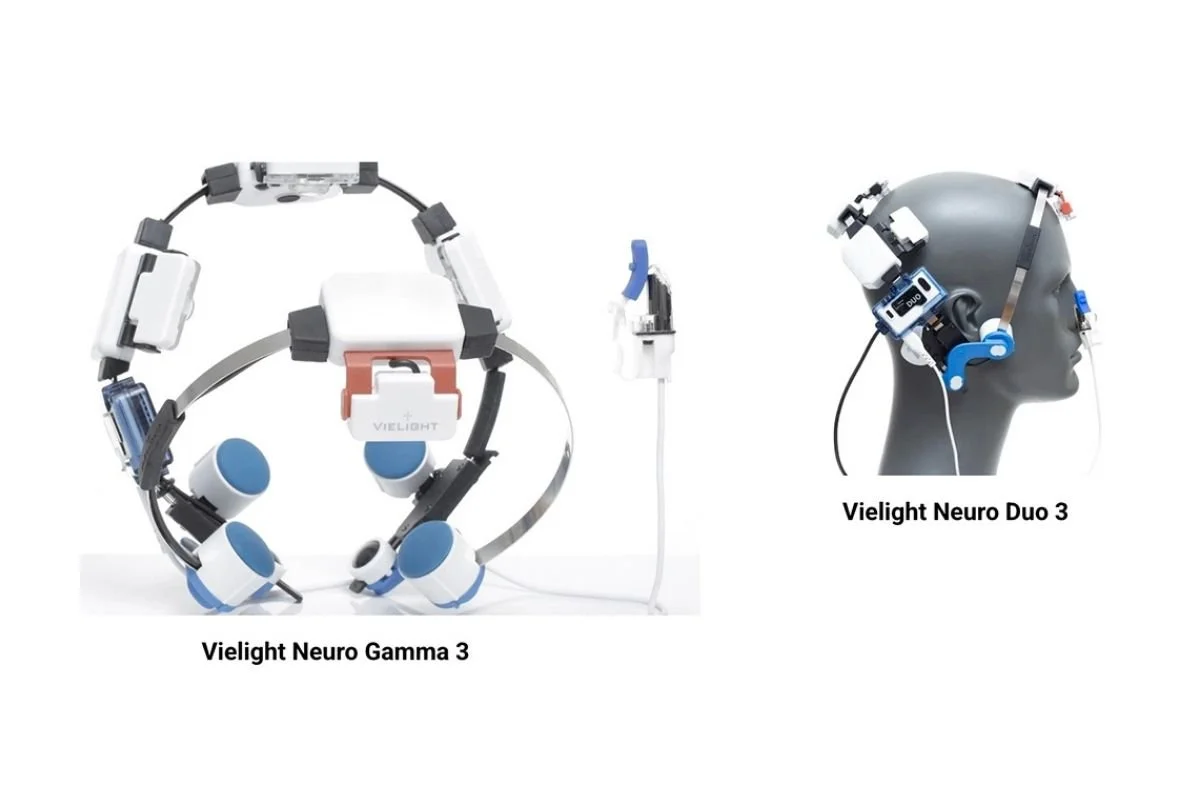
A “proof-of-concept” study found that 8-10 weeks of at-home treatment with a transcranial photobiomodulation device resulted in improvements in cognitive function in adults exposed to repetitive head acceleration events.
An article published by the Brain Health Association of America suggests that practicing regular self-compassion leads to the mitigation of mental health issues after a traumatic brain injury (including concussion).
A group of researchers at Xi'an Jiaotong University found that four weeks of acupuncture, starting a week after a concussion, reduced concussion symptoms and improved brain tissue (white matter) integrity.
A study conducted by Daisy Zamora et al. discovered a correlation between a diet consisting of high omega-3 fatty acids and low omega-6 linoleic acids (the diet is labeled “H3L6”) and a reduction in persistent post-traumatic headaches (pPTH).
A recent clinical study led by Rahimi et al. examined the effects of sub-symptom threshold aerobic exercise on executive function in individuals recovering from sport-related concussions (SRC).
A study published in Nature found that hyperbaric oxygen therapy (HBO2) improved persistent symptoms in people with brain injuries, including those with mild traumatic brain injuries.
A clinical practice guideline (CPG) published in the New England Journal of Medicine recommends 24–72 hours of relative rest after a concussion, followed by a gradual return to activity and exercise.
Russell & colleagues’ 10-year epidemiological investigation into the medical records of Cirque du Soleil performers, published in Sports Health: A Multidisciplinary Approach, identified a concussion incidence rate among Cirque artists numerically comparable to varsity and professional non-contact athletics, unique mechanisms of injury in circus that remain overlooked, and significant time loss before safe return to performance.
A scientific abstract presented at the American Headache Society 67th Annual Scientific Meeting highlights that a combination of early interventions and therapies is crucial for alleviating symptoms in pediatric patients (ages 5-17) with new daily persistent headaches (NDPH).
A recent case report published in Journal of Clinical Medicine suggests that virtual-reality-based balance training may be effective for resolving persisting symptoms after concussion.
As part of the HERO study, researchers Raouf Gharbo and James Burchat are studying the effectiveness of heart rate variability (HRV) biofeedback for veterans and service members with persisting symptoms after concussion.
Dr. Lisa Brenner, a rehab neuropsychologist, gives a comprehensive overview of the research on the relationship between mTBI, blast exposure, and PTSD in military populations, and adds military-specific recommendations for evaluation and treatment.
A study published in Neurotrauma identified key gender differences in sport-related concussion (SRC) not captured by standard unidimensional assessment tools––in this case, the Sport Concussion Assessment Tool (SCAT).
A recent systematic review by Lucas Tze Peng Tan and colleagues found that recovery after a mild traumatic brain injury (mTBI) is often incomplete and longer-lasting for older adults, with ongoing symptoms frequently missed by standard assessment tools.
This October, Women in Global Health published Concussion Alliance Co-founder and COO Malayka Gormally’s story about the founding and growth of Concussion Alliance.
A recent study in the British Journal of Sports Medicine found that Guardian Caps (GCs), an add-on padded “shell device” that goes atop a helmet, do not reduce the risk of sport-related concussions (SRCs) in high school football players.
A groundbreaking new study published in Experimental Neurology found that a single juvenile concussion in male mice led to progressive changes in white matter across their lifespan.
An article in the American Journal of Preventive Medicine found that the risk of suicide in patients ages 5-24 increased after sustaining a concussion.
A study found that hyperbaric oxygen therapy (HBOT) can alleviate cognitive symptoms associated with post-concussion syndrome (PCS) in adults who suffered from mild or moderate traumatic brain injury and PCS as children and who are still dealing with persisting neurocognitive symptoms.
A narrative review in Brain Sciences evaluated 29 studies and found evidence that psilocybin could play a role in recovery after traumatic brain injury (TBI).
A retrospective study by Tator et al., published in the Journal of Neurotrauma, examined patients from the Canadian Concussion Centre who sustained concussions with persisting symptoms following motor vehicle crashes.
A recent study in Neurology examined the impact of repetitive head injuries (RHI) in soccer players and their effect on the brain.