
Dietary interventions can reduce persistent headache frequency and severity after brain injury, including concussion
By John Lin. This article was initially published in the 7/31/25 Edition of our Concussion Update newsletter; please consider subscribing.
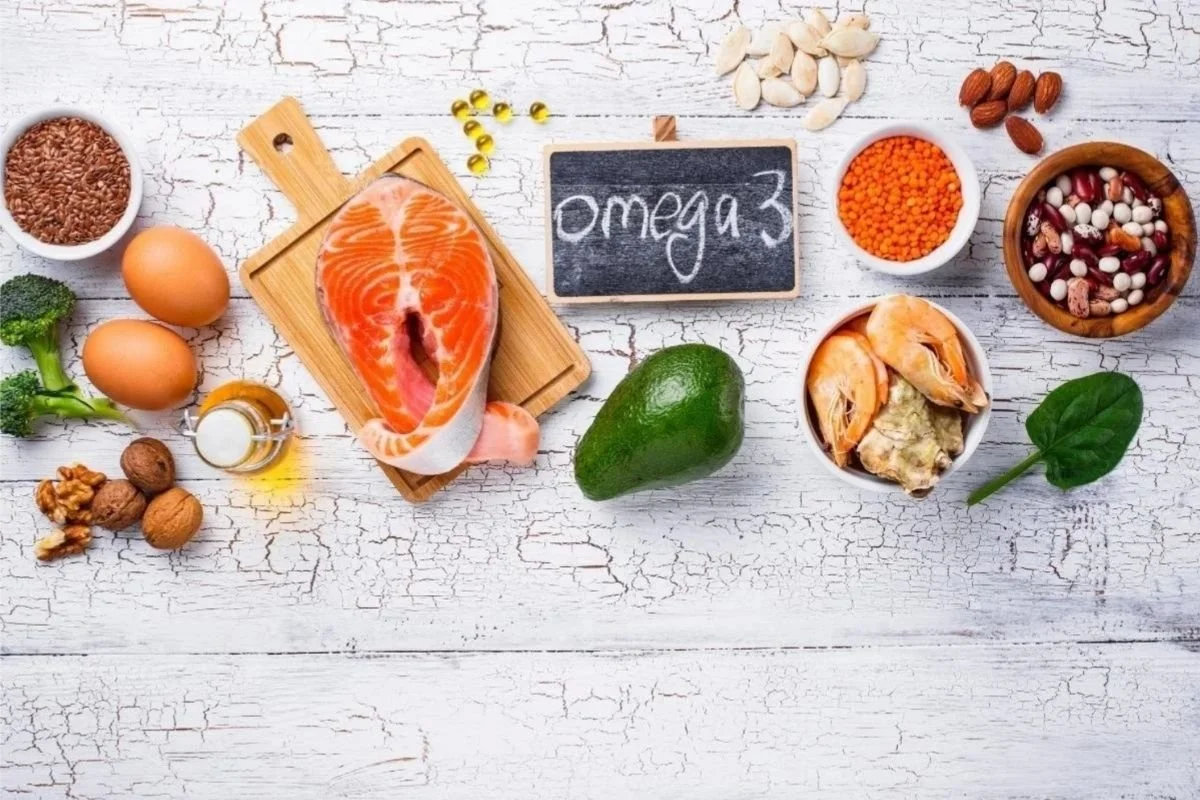
A study conducted by Daisy Zamora et al. discovered a correlation between a diet consisting of high omega-3 fatty acids and low omega-6 linoleic acids (the diet is labeled “H3L6”) and a reduction in persistent post-traumatic headaches (pPTH). The study authors define pPTH as a frequent aftereffect of traumatic brain injury (TBI) that develops most commonly after mild TBI (concussion), with pPTH symptoms persisting longer than a year for over 40% of patients. In this study, published in the Journal of Neurotrauma, 122 military health care beneficiaries (active-duty personnel, veterans, etc.) who experienced pPTH were randomly grouped into a diet high in omega-3 fatty acids and low in omega 6 linoleic acids (H3L6), and a control group with a diet that is typical of U.S. fatty acid intake; both groups followed their diet for 12 weeks. Initially, participants in the study had, on average, 22 days of headache per month with an intensity of 3.5 out of 10. Zamora et al. found that the H3L6 diet led to a significant reduction in headache frequency and pain compared to the control diet. Over the 12-week period, the H3L6 diet resulted in 2 days less of headaches and a “30% reduction in the average headache pain intensity” compared to the control group. The study authors noted that the H3L6 diet increased plasma levels of DHA (docosahexaenoic acid) – an omega-3 acid that elicits antinociceptive properties, or the blocking of painful stimuli. The H3L6 diet also decreases levels of arachidonic acid, an omega-6 acid correlated with inflammation. The authors also noted that there were no statistically significant differences in adverse effects between the two groups.
Currently, pharmacological treatments for pPTH offer only limited relief. The biochemical effects that are linked with the benefits of the H3L6 diet illustrate the importance of dietary adjustments after traumatic brain injury to care for pPTH. With dietary interventions being low-risk and effective in providing health benefits, the study authors offer suggestions for future research, including studying dietary substitutions and types of supplements to optimize recovery and minimize symptoms in a broader population.