After a concussion, active management is the most effective treatment
By Fadhil Hussain. This article was initially published in the 2/20/25 Edition of our Concussion Update newsletter; please consider subscribing.
A clinical practice guideline (CPG) published in the New England Journal of Medicine recommends 24–72 hours of relative rest after a concussion, followed by a gradual return to activity and exercise. In an associated University of Buffalo press release, Dr. John J. Leddy, author of the CPG, explains that controlled reintroduction of activity helps the body adapt to post-concussion physiological changes, promoting faster recovery and reducing the likelihood of persistent symptoms.
The guideline incorporates the 6-stage return-to-sport strategy from the Sixth Consensus Statement on Concussion in Sport, beginning with symptom-limited activity and progressing through aerobic exercise, sport-specific training, and full-contact practice. Leddy extends these principles beyond athletics, recommending early return to school with accommodations such as extended assignment deadlines, rest breaks, and postponed tests. Concurrent symptoms like neck pain and oculomotor and vestibular impairments should be treated with physical therapy. Repeated NSAID use for headaches should be avoided due to the risk of medication-overuse headaches. Good sleep hygiene, symptom-limited daily activities, and weekly follow-ups are emphasized.
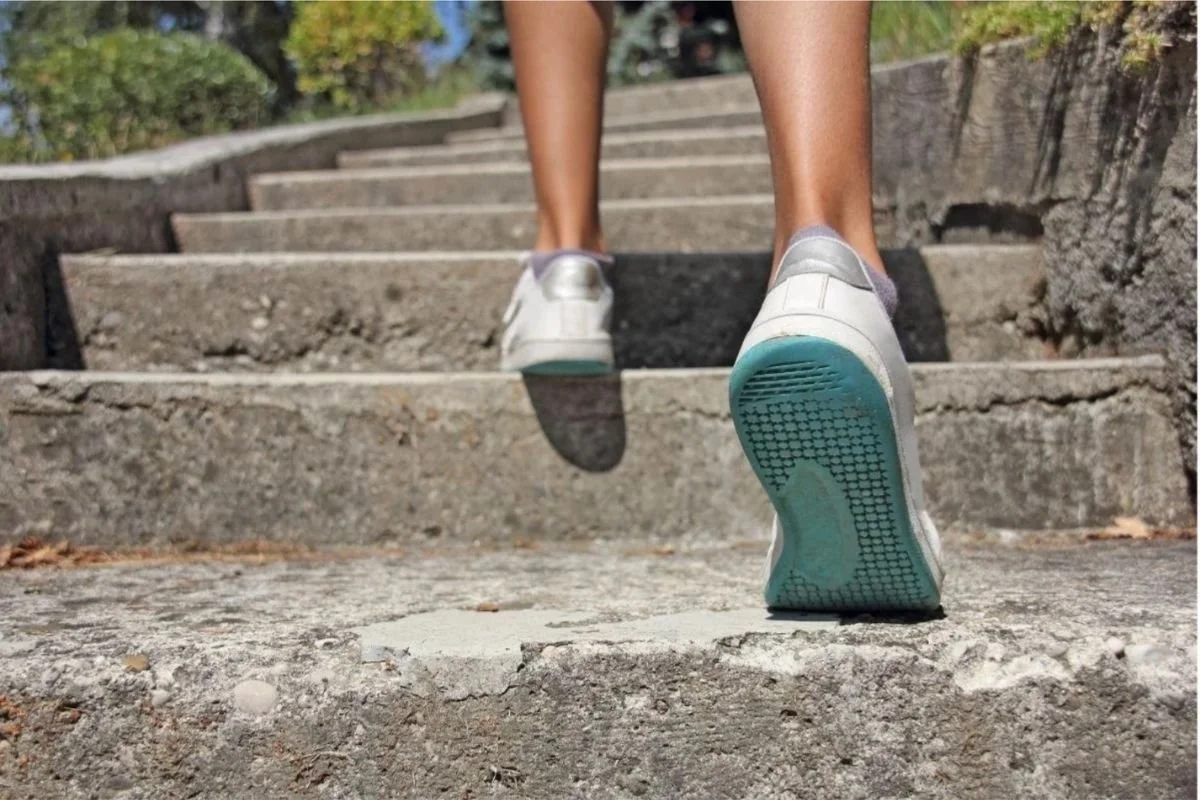
For exercise-based rehabilitation, Leddy suggests starting with daily walking or stationary cycling at 50% of the age-predicted maximum heart rate (220 minus age). Activity should continue unless symptoms increase significantly. [See our Guidelines for Recovery for an explanation (based on the 6th consensus) of how to judge the appropriate level of exertion based on symptom levels.] Patients aiming to return to sports can begin sport-specific training once they tolerate 20 minutes of aerobic exercise at a 70% maximum heart rate. Additionally, in the press release, Leddy recommends educating patients and families that “current evidence does not show that concussions in former amateur athletes (high school, college) is a risk for neurological disease (e.g., dementia) later in life.”
The guideline reinforces the growing evidence that early, controlled exercise aids concussion recovery. Leddy notes that exercise intolerance often stems from autonomic nervous system dysfunction post-concussion and that individualized aerobic rehabilitation, initiated within 2–10 days of injury, can significantly reduce the risk of prolonged symptoms.