Hyperbaric oxygen: a promising treatment for persistent post-brain-injury symptoms
By Fadhil Hussain. This article was initially published in the 3/6/25 Edition of our Concussion Update newsletter; please consider subscribing.
A study published in Nature found that hyperbaric oxygen therapy (HBO2) improved persistent symptoms in people with brain injuries, including those with mild traumatic brain injuries. Participants who received HBO2 therapy for 12 weeks showed greater reductions in symptoms on the Neurobehavioral Symptom Inventory (NSI) compared to those who received a sham treatment. They also experienced improvements in anxiety, sleep, and balance, among other outcomes. Unlike previous studies focused on military populations, this research by Lindell K. Weaver et al. included a more diverse participant group with a greater proportion of women, lower rates of PTSD, and a broader range of brain injury causes––including traumatic brain injury (TBI) of all severities, carbon monoxide poisoning, and hypoxia (oxygen deprivation).
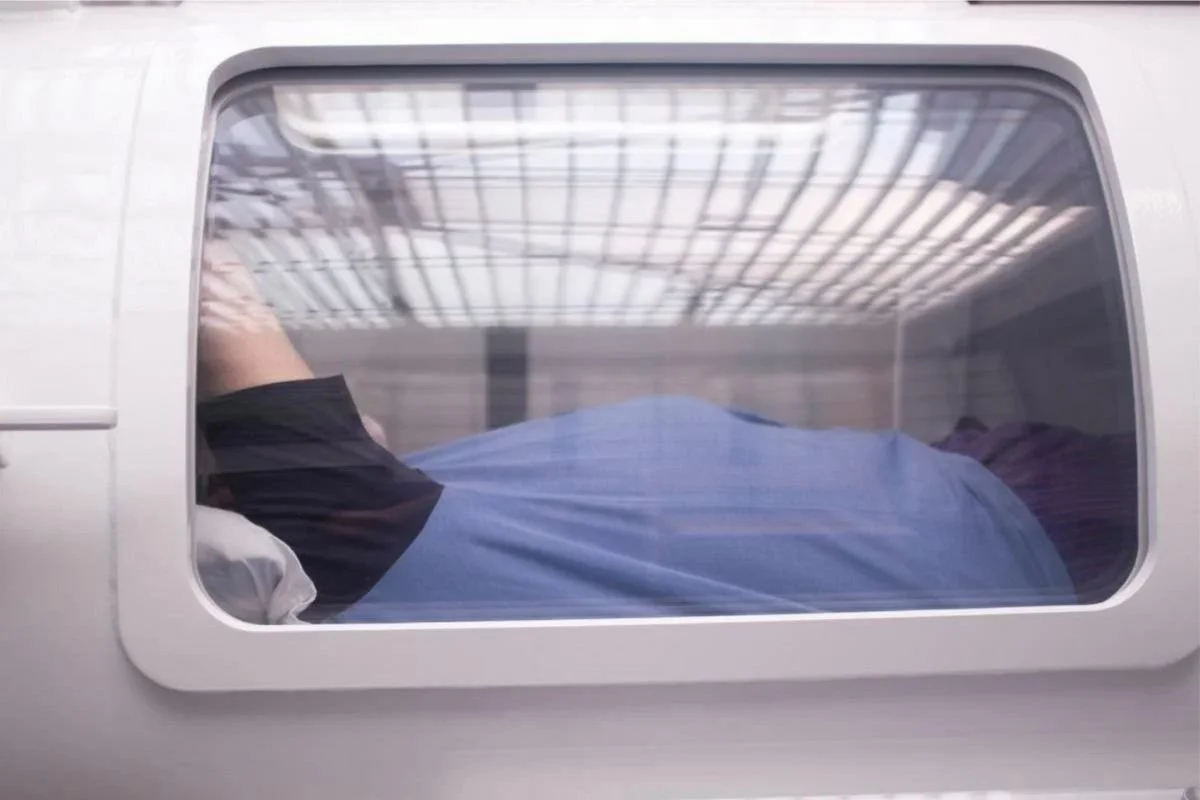
The trial included 47 participants randomly assigned to receive either HBO2 therapy or a sham treatment. The HBO2 group underwent 40 sessions in a hyperbaric chamber over 12 weeks, breathing 99% oxygen at 1.5 times normal atmospheric pressure, while the sham group breathed room air at standard pressure. Researchers assessed participants at the start of the study, after 13 weeks, and at 6 months. After this follow-up, all participants were offered 40 additional HBO2 sessions, with long-term outcomes measured up to 36 months. The primary outcome was the NSI, but researchers collected a number of secondary outcomes, including the Rivermead Post-Concussion Questionnaire.
At 13 weeks, both groups showed some improvement, but the HBO2 group improved significantly more, with NSI scores dropping an average of 7 points more than the sham group. HBO2 participants saw benefits across all symptom categories—cognitive (thinking and memory), emotional (mood and anxiety), and physical (headaches, dizziness, balance). Only the HBO2 group maintained its improvements beyond 6 months. By 12 months, both groups showed better scores on the Rivermead Post-Concussion Questionnaire, but the HBO2 group had greater gains. The sham group’s benefits faded over time, suggesting some initial improvements may have been due to study participation effects, such as rest time in the chamber or the expectation of improvement. Further, the participants who received 40 HBO2 treatments and then did the additional 40 HBO2 sessions (a total of 80 HBO2 sessions), reported not only “greater improvement in total NSI score compared the sham group” but also greater improvement “compared to their own total NSI scores after only 40 HBO2 sessions.”
No serious adverse effects were reported, though the study excluded participants with certain medical conditions that could increase risks. According to the researchers, this study is one of the few to examine the long-term effects of HBO2 therapy for brain injuries, with follow-ups extending beyond a year. The findings suggest that HBO2 could be a promising option for people with persistent symptoms, improving “clinically meaningful outcomes.” Additionally, the results suggest that “80 HBO2 sessions may be superior to 40 sessions for treatment of long term brain injury outcomes.”