Blog

Potential treatment for post-traumatic headache after concussion: Intranasal lidocaine
An initial-stage study found that intranasal lidocaine holds promise as a potential treatment for post-traumatic headache (PTH) after a concussion.
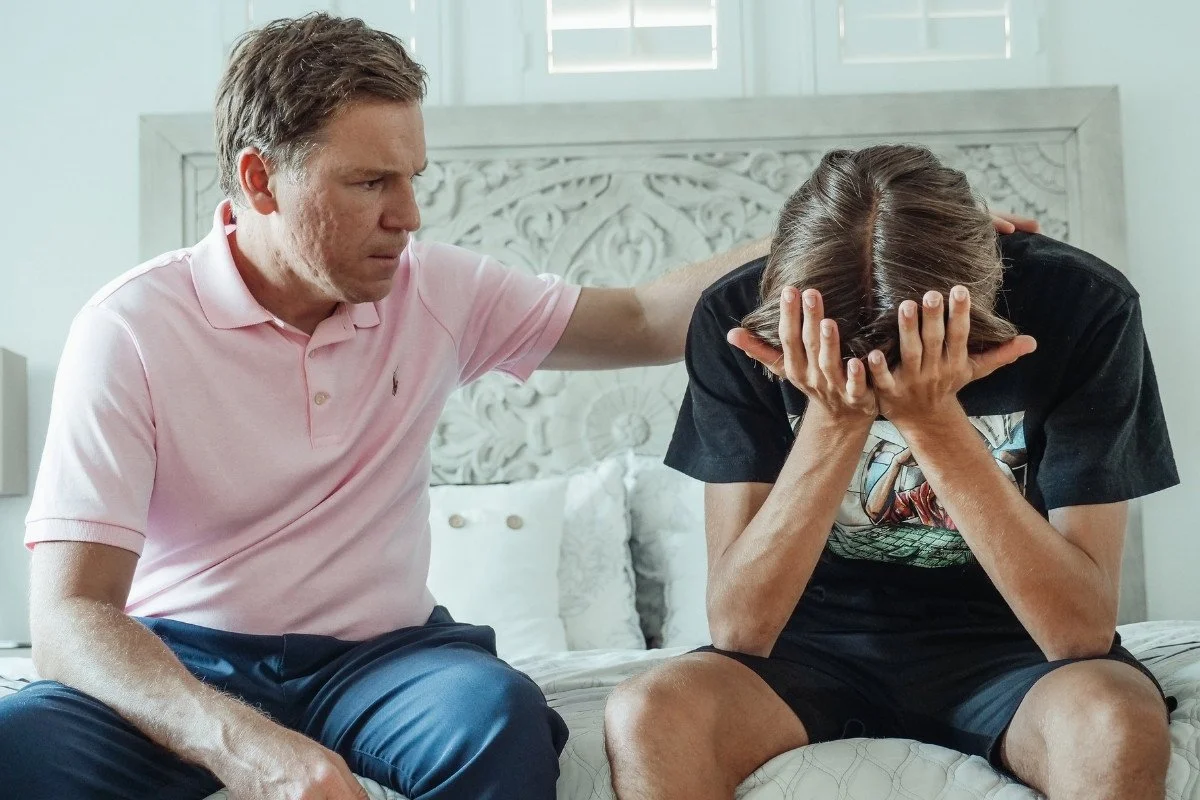
Early symptom-targeted multidisciplinary care for persisting symptoms in youth
In a recent clinical trial, researchers Vicki Anderson et al. assessed a symptom-targeted multidisciplinary treatment for persisting post-concussion symptoms in youth.
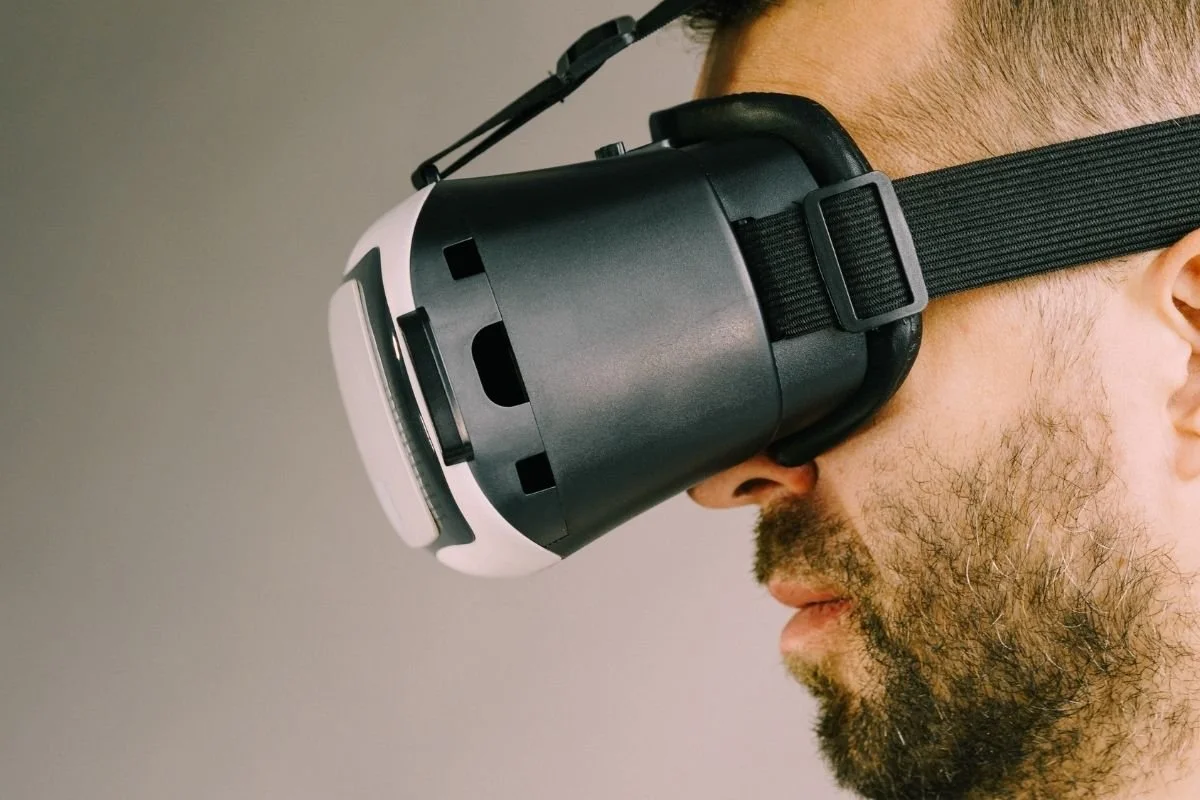
Novel VR intervention improves prospective memory and eye focus
A study found that a novel virtual reality (VR) program improved prospective memory and eye focus for traumatic brain injury (TBI) patients.

Do AI Chatbots give good concussion advice?
Are AI chatbots ready to be used for concussion advice? Based on a recent study published in Scientific Reports, not really.
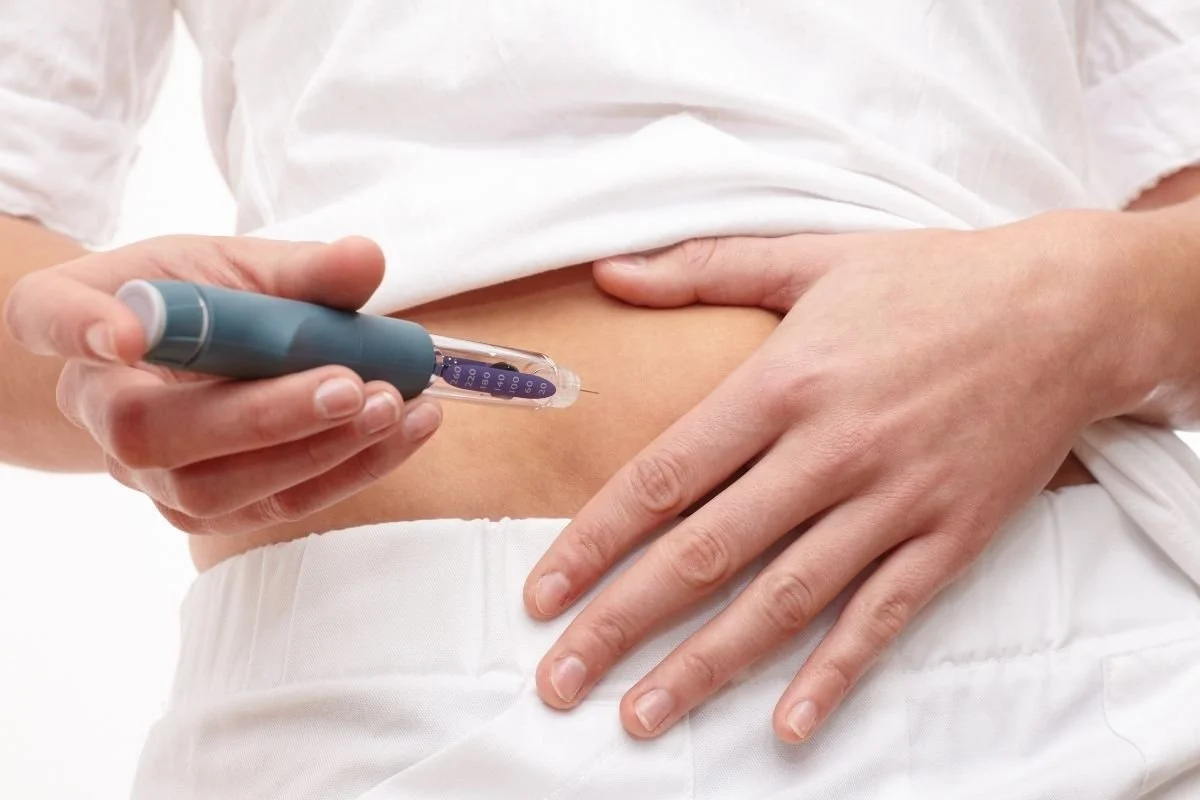
GLP-1 medications for persisting symptoms after concussion? One woman’s experiment.
Both The Washington Post and The New York Times recently published articles about how GLP-1 medications (GLP-1s), approved for diabetes and weight loss, have a wider range of benefits for the body than previously thought, including potential benefits to the brain.
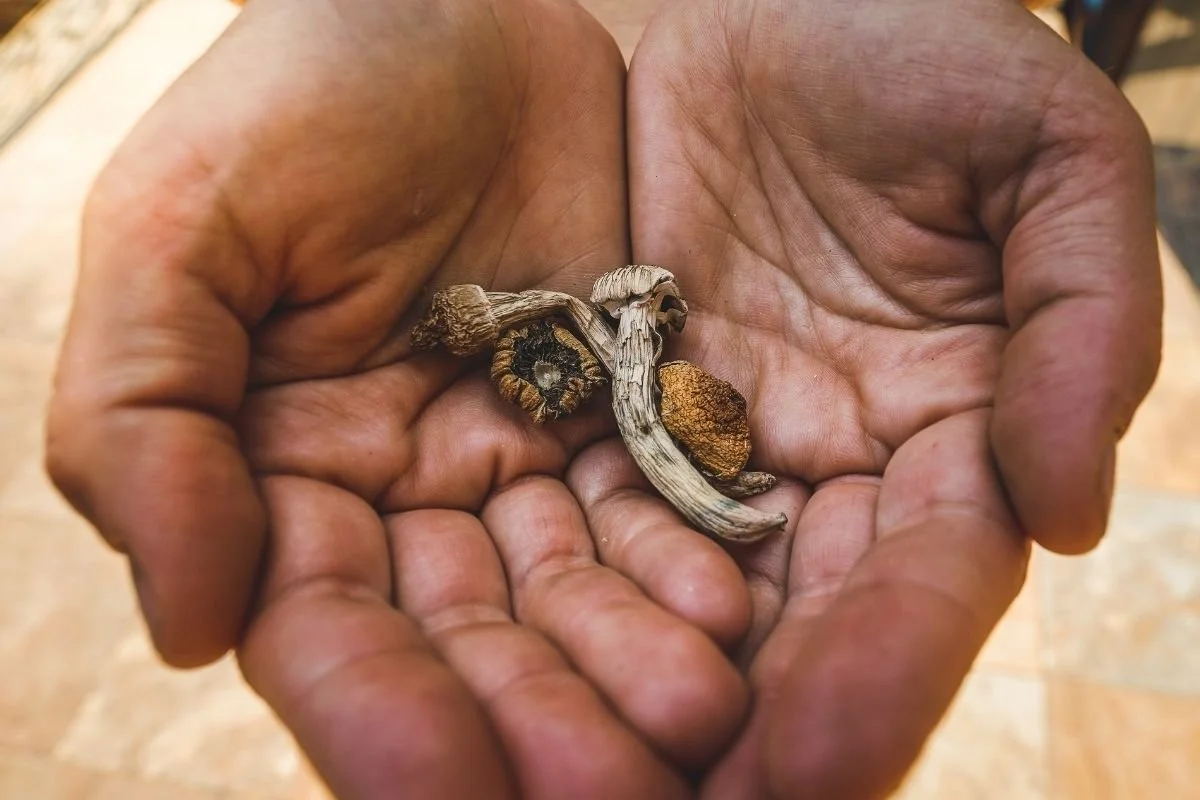
Psilocybin-assisted therapy linked to lasting depression improvements at five years
in a five-year follow-up of a randomized clinical trial, psilocybin-assisted therapy was associated with lasting reductions in depression symptoms in adults with major depressive disorder (MDD).

Fresh Air, Clear Mind: The Power of Nature on Mental Health
Dose of Nature, a charity founded by former National Health Service (NHS) psychologist Alison Greenwood, is prescribing time in nature as a treatment for mental health.
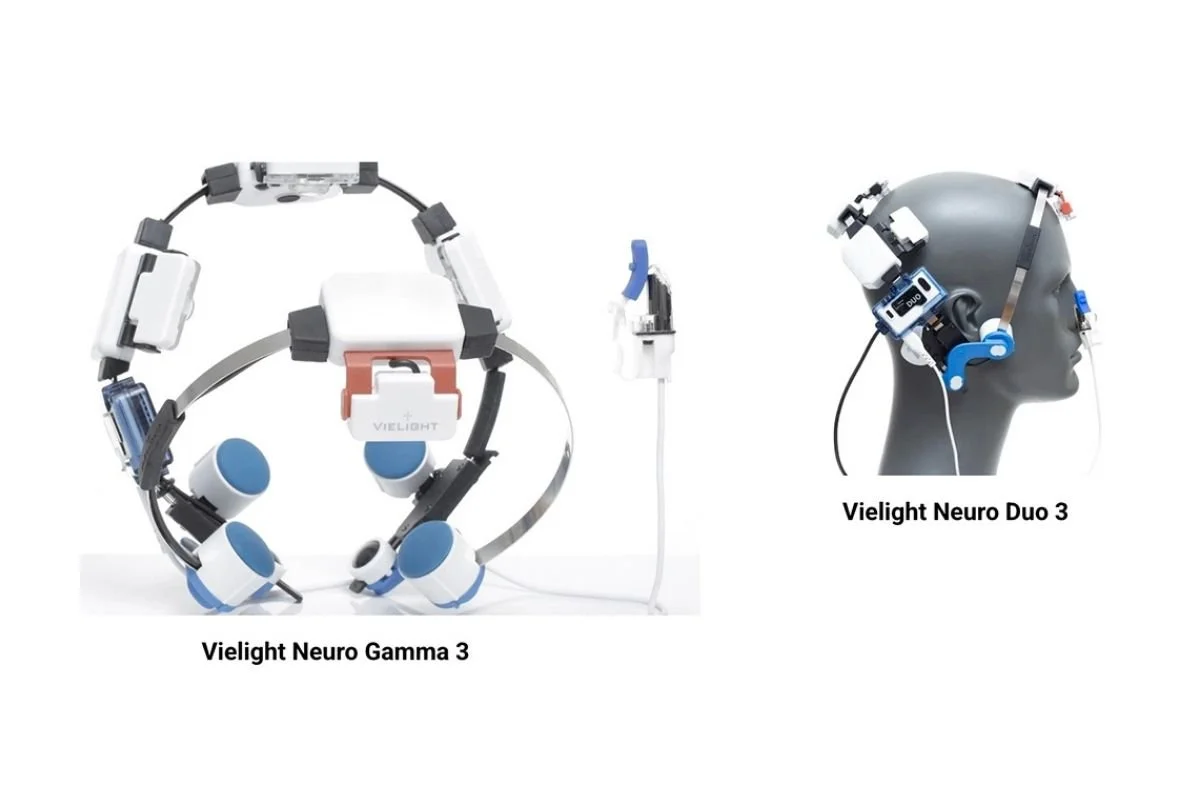
Light Therapy Promotes Neurological Resilience in College Football Players
In a first-of-its-kind study with active college football players, researchers investigated the potential impact of a transcranial photobiomodulation (PBM) intervention, using a commercially available headset to deliver near-infrared light to the brain through the skull.
P7C3-A20 drug reverses the effects of Alzheimer’s disease in mice
Researchers Kalyani Chaubey et al. recently discovered that the drug P7C3-A20 is able to reverse the brain pathology and cognitive decline of advanced Alzheimer’s disease in mice.
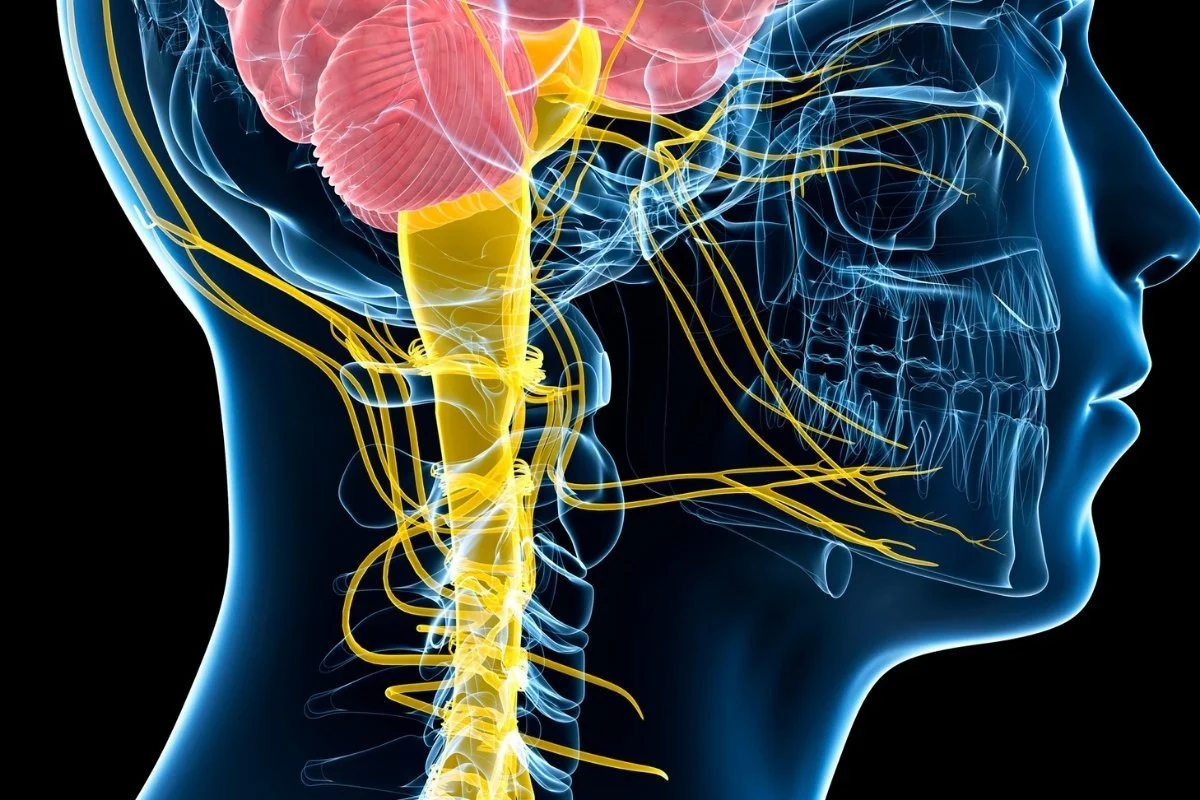
Non-invasive vagus nerve stimulation (nVNS) is associated with improvements in persisting concussion symptoms
A study published in Frontiers in Neurology found that non-invasive vagus nerve stimulation (nVNS) is associated with improvements in persisting concussion symptoms across cognitive, affective (mood), somatic (physical), and vestibular (balance) domains.
At-home transcranial photobiomodulation (light therapy) improves cognitive function for adults exposed to repetitive head acceleration events
A “proof-of-concept” study found that 8-10 weeks of at-home treatment with a transcranial photobiomodulation device resulted in improvements in cognitive function in adults exposed to repetitive head acceleration events.
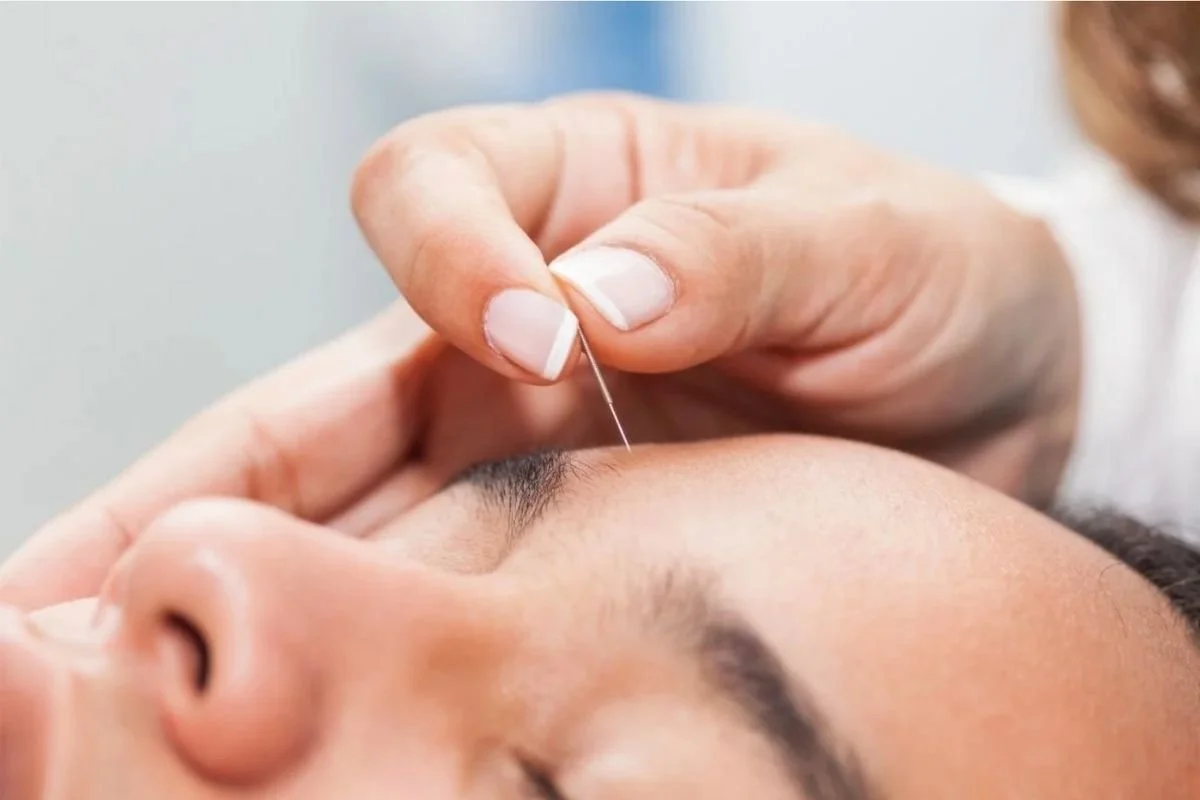
Acupuncture after concussion reduces symptoms and improves white matter integrity
A group of researchers at Xi'an Jiaotong University found that four weeks of acupuncture, starting a week after a concussion, reduced concussion symptoms and improved brain tissue (white matter) integrity.
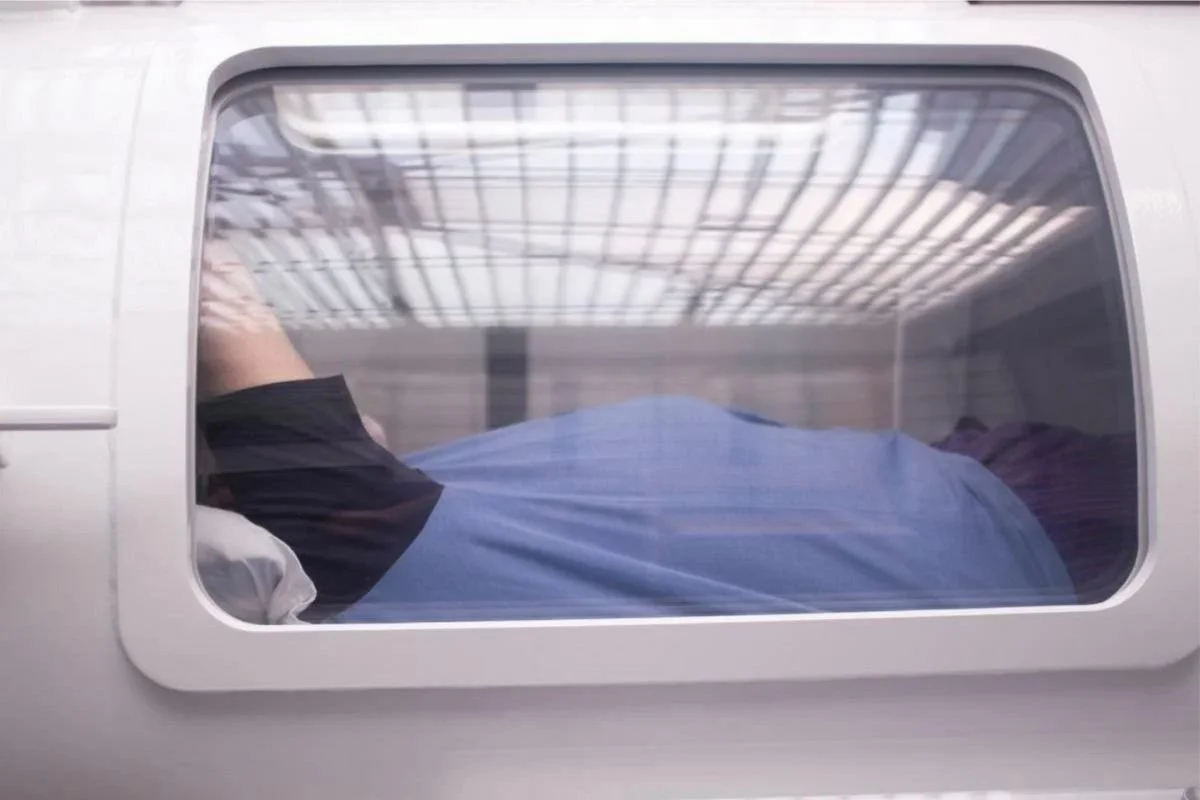
Hyperbaric oxygen: a promising treatment for persistent post-brain-injury symptoms
A study published in Nature found that hyperbaric oxygen therapy (HBO2) improved persistent symptoms in people with brain injuries, including those with mild traumatic brain injuries.
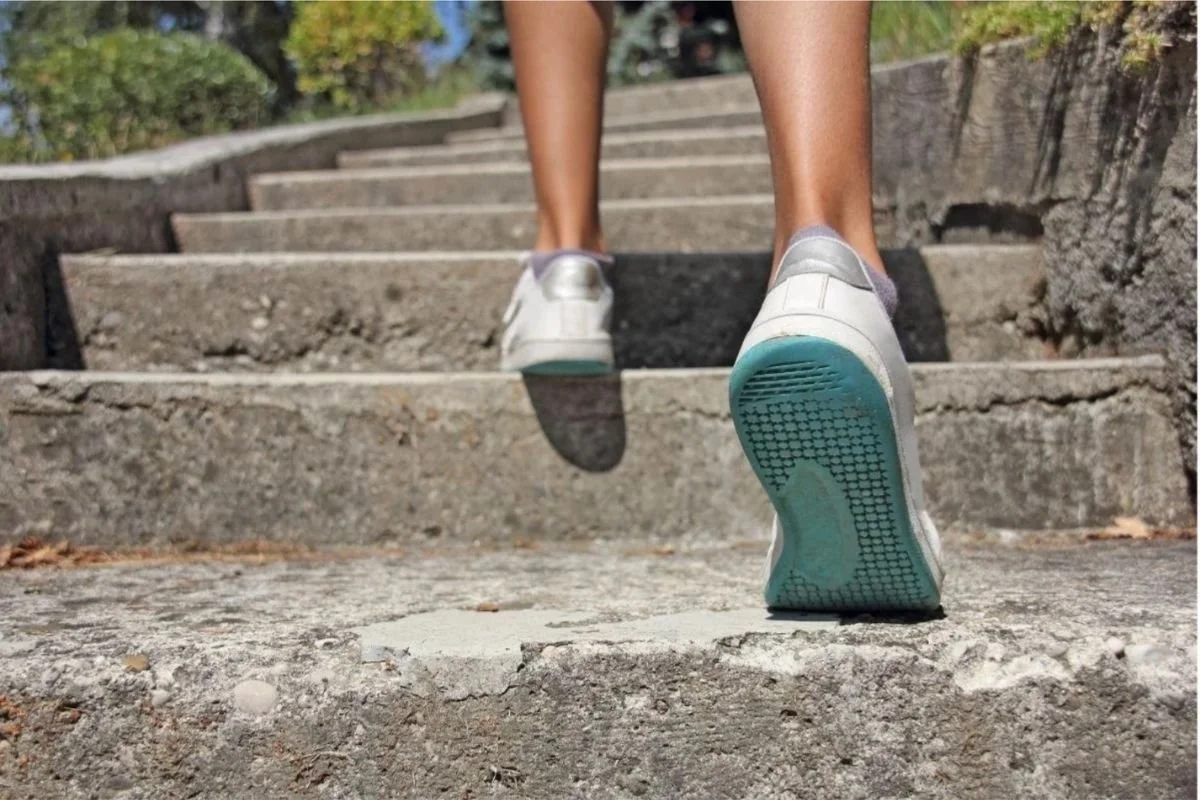
After a concussion, active management is the most effective treatment
A clinical practice guideline (CPG) published in the New England Journal of Medicine recommends 24–72 hours of relative rest after a concussion, followed by a gradual return to activity and exercise.

Early treatment for new daily persistent headache associated with improved outcomes in children and adolescents
A scientific abstract presented at the American Headache Society 67th Annual Scientific Meeting highlights that a combination of early interventions and therapies is crucial for alleviating symptoms in pediatric patients (ages 5-17) with new daily persistent headaches (NDPH).

Novel virtual reality balance training program improves persisting symptoms after concussion in multiple domains
A recent case report published in Journal of Clinical Medicine suggests that virtual-reality-based balance training may be effective for resolving persisting symptoms after concussion.

HERO study investigates heart rate variability biofeedback therapy for veterans and service members
As part of the HERO study, researchers Raouf Gharbo and James Burchat are studying the effectiveness of heart rate variability (HRV) biofeedback for veterans and service members with persisting symptoms after concussion.

Hyperbaric oxygen therapy (HBOT) alleviates chronic neurocognitive symptoms in adults who suffered from mild or moderate traumatic brain injury as children
A study found that hyperbaric oxygen therapy (HBOT) can alleviate cognitive symptoms associated with post-concussion syndrome (PCS) in adults who suffered from mild or moderate traumatic brain injury and PCS as children and who are still dealing with persisting neurocognitive symptoms.

Psilocybin may support recovery after traumatic brain injury
A narrative review in Brain Sciences evaluated 29 studies and found evidence that psilocybin could play a role in recovery after traumatic brain injury (TBI).

Branched chain amino acids may expedite concussion recovery
A six-year study in the Journal of Neurotrauma explored the impact of branched chain amino acids (BCAAs) on concussion recovery in adolescents and young adults.