Blog
Civilians exposed to a blast demonstrate more PCS/PTSD symptoms and reduced white matter connectivity
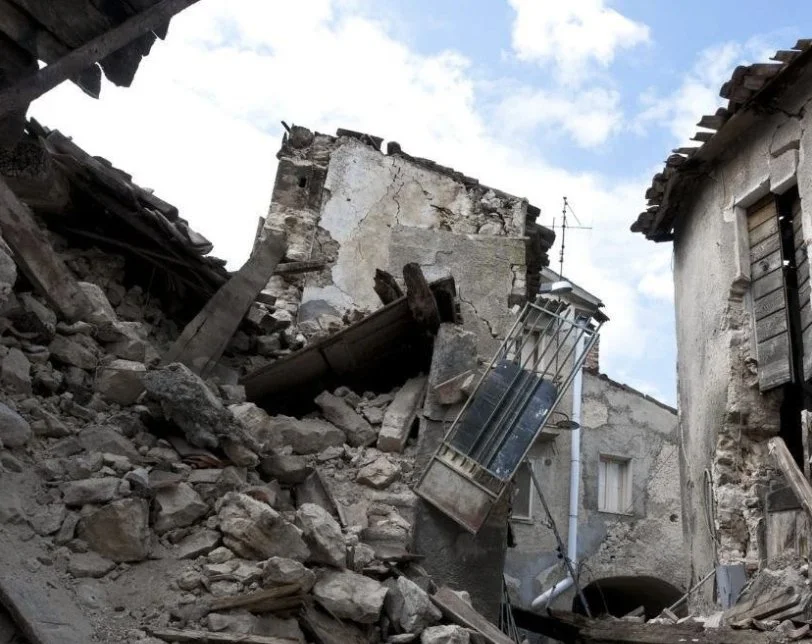
A study found that civilians who had been directly or indirectly exposed to explosive blasts exhibited greater post-concussion syndrome (PCS) and post-traumatic stress disorder (PTSD) symptoms and had reduced white matter (WM) connectivity compared to unexposed civilians.

HERO study investigates heart rate variability biofeedback therapy for veterans and service members
As part of the HERO study, researchers Raouf Gharbo and James Burchat are studying the effectiveness of heart rate variability (HRV) biofeedback for veterans and service members with persisting symptoms after concussion.

Healthcare provider education: working with service members and veterans
Dr. Lisa Brenner, a rehab neuropsychologist, gives a comprehensive overview of the research on the relationship between mTBI, blast exposure, and PTSD in military populations, and adds military-specific recommendations for evaluation and treatment.


Call for veteran study participants
Call for study participants: military veterans who have had concussions and/or a traumatic brain injury, an injury to your head or neck that caused you to lose consciousness or feel dazed/confused/experience a gap in memory. Eligibility: it’s been a least one year since your military service, and you are willing to participate in a 4-5 hour study visit in EITHER New York City OR Seattle, Washington.

High cumulative blast exposure in military personnel is associated with worsening brain function and lower quality of life
In a multimodal study published in Proceedings of the National Academy of Sciences, Natalie Gilmore et al. found that higher cumulative blast exposure was associated with decreased brain function and lower quality of life. According to a New York Times article, the damage seen in these brains was not CTE but a new pathology.
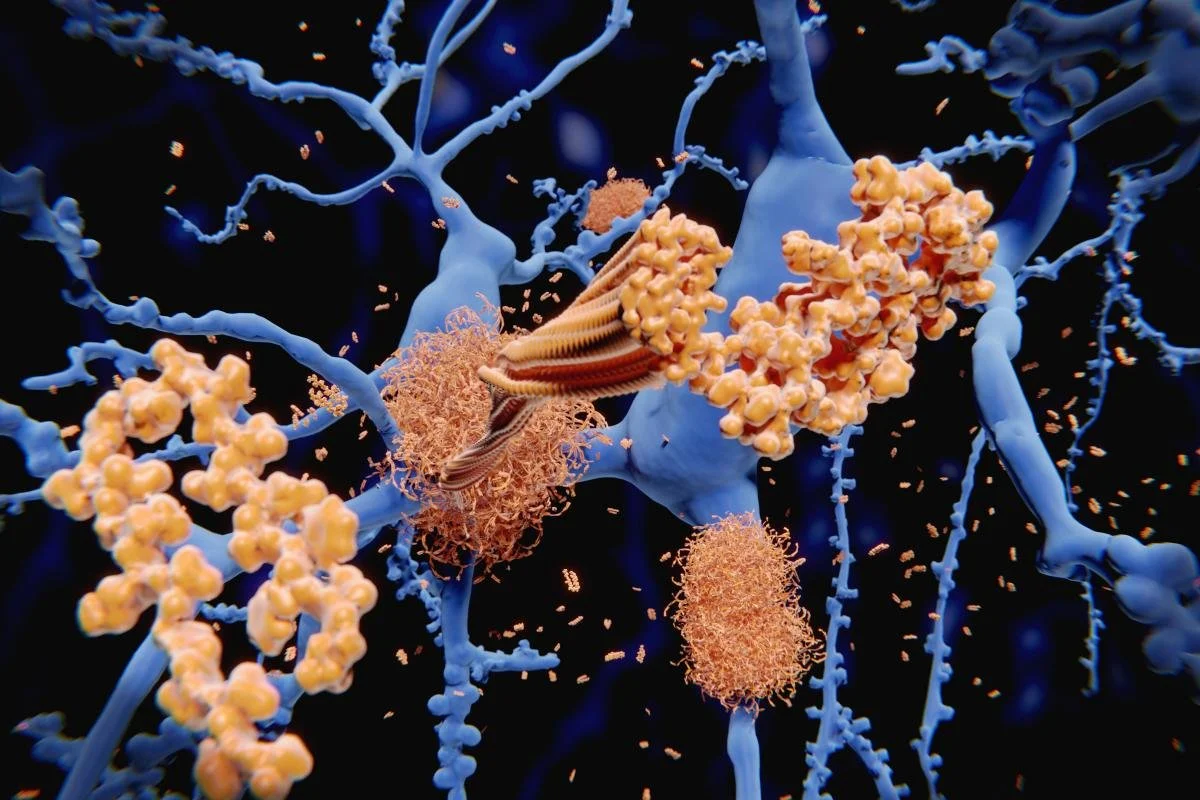
Blast mTBI is associated with impaired function of the glymphatic system. Sleep quality is also a factor–Interventions to improve sleep may help
Veterans exposed to blast-induced mild traumatic brain injury (blast mTBI) may experience impaired function of the glymphatic system, according to a recent study published in Brain.

Concussion experts testify in Senate hearing on blast mTBI
On February 28, the Senate Armed Services Subcommittee on Personnel held a hearing about traumatic brain injury from repeated blast exposure for U.S. service members. Senator Elizabeth Warren, Chairwoman of the subpanel, led the two-hour hearing in which senators questioned experts. Senator Warren said, “We need to do better for our troops, and we need to do it right now.”

Brain injury associated with US Military training weapons
In a recent New York Times report, Dave Phillips brought attention to abundant evidence indicating that brain injuries and “serious and lasting harm” in veterans are related to their exposure to repetitive blasts from weapons used in training.

Join concussion diagnosis and treatment studies–open to civilians and veterans!
We are super excited about this opportunity! When you register with the TROOPS referral program, you will be connected with multiple research teams, several of which are recruiting for studies of treatments for concussion (mTBI). Civilians are welcome to join, and there is no upper age limit.

Blast exposure from firing heavy weapons potentially causing unrecognized brain injuries
Repeated blast exposure from firing heavy weaponry such as cannons, mortars, shoulder-fired rockets, and even large-caliber machine guns is causing long-term injury to the brains of our military service members. The New York Times reported on the military’s struggle to understand the life-changing mental and physical problems U.S. troops face as a result of blast exposure.

Participants needed for a study using an app to combat depression after concussion
Participants needed for a study using an app to combat depression after concussion. The app provides online activities based on Cognitive Behavioral Therapy (CBT) principles. Eligibility: individuals 18-70 years old with a history of concussion. The study is open to civilians even though the flyer says the study is designed for veterans and service members.

Resting brain connectivity deficits in service members with mTBI and PTSD associated with working memory performance
A study found that active duty service members with a history of mild traumatic brain injury (mTBI) and PTSD had similarly lower levels of resting state functional connectivity (rsFC) in regions associated with working memory compared to service members with an orthopedic injury.

College athletes and service academy cadets with non-sports-related concussions have worse outcomes, more days lost to injury
A study found that college athletes who sustained non-sports-related concussions reported their injury at lower rates, had higher symptom severity, and had longer-lasting symptoms than those who has sports-related concussions.

Military dietitians test mTBI patients for nutritional deficiencies, design individualized nutrition plans
Some clinics in the Defense Intrepid Network for TBI and Brain health, a system of 13 clinics for TBIs, have integrated nutrition plans into treatment programs for “active duty service members diagnosed with mild-to-moderate TBI and associated health conditions.”

Combat-related concussion increases odds of long-term disability in Veterans in a prospective 10-year study
Dr. Mac Donald et al. conducted a 10-year prospective study of veterans deployed to Iraq and Afghanistan to determine the trajectory of disability within this population and identify which subset of the population is most at risk. Their study demonstrated that veterans who sustained a concussion in combat had “very high odds of poor long-term outcome trajectory.”

Florida VA program provides multidisciplinary treatment to veterans with mTBI and persistent symptoms
The Tampa, Florida VA association’s Post-Deployment Rehabilitation and Evaluation Program (PREP) “is an inpatient rehabilitation program that specializes in the evaluation and treatment of complex reactions and symptoms associated with possible mild TBI.” The program appears to be one of the more comprehensive multidisciplinary care programs.

VA secretary is “trying to explore what more we can do” for veterans using cannabis
According to the Veterans Association (VA), 11.9% of veterans use marijuana, often to self-medicate for illnesses like PTSD. Yet the VA will not expand its cannabis research and "continues to deny cannabis recommendations to veterans in 36 states that allow medical marijuana," according to an article in Politico.

Sleep study for veterans with sleep issues and concussion history
The Sleepless Warriors At-Home study is recruiting veterans age 21+ who have served in the military for at least 180 days, have trouble sleeping, and have a concussion history.