
Non-invasive vagus nerve stimulation (nVNS) is associated with improvements in persisting concussion symptoms
By Zoe Marquis. This article was initially published in the 12/18/25 Edition of our Concussion Update newsletter; please consider subscribing.
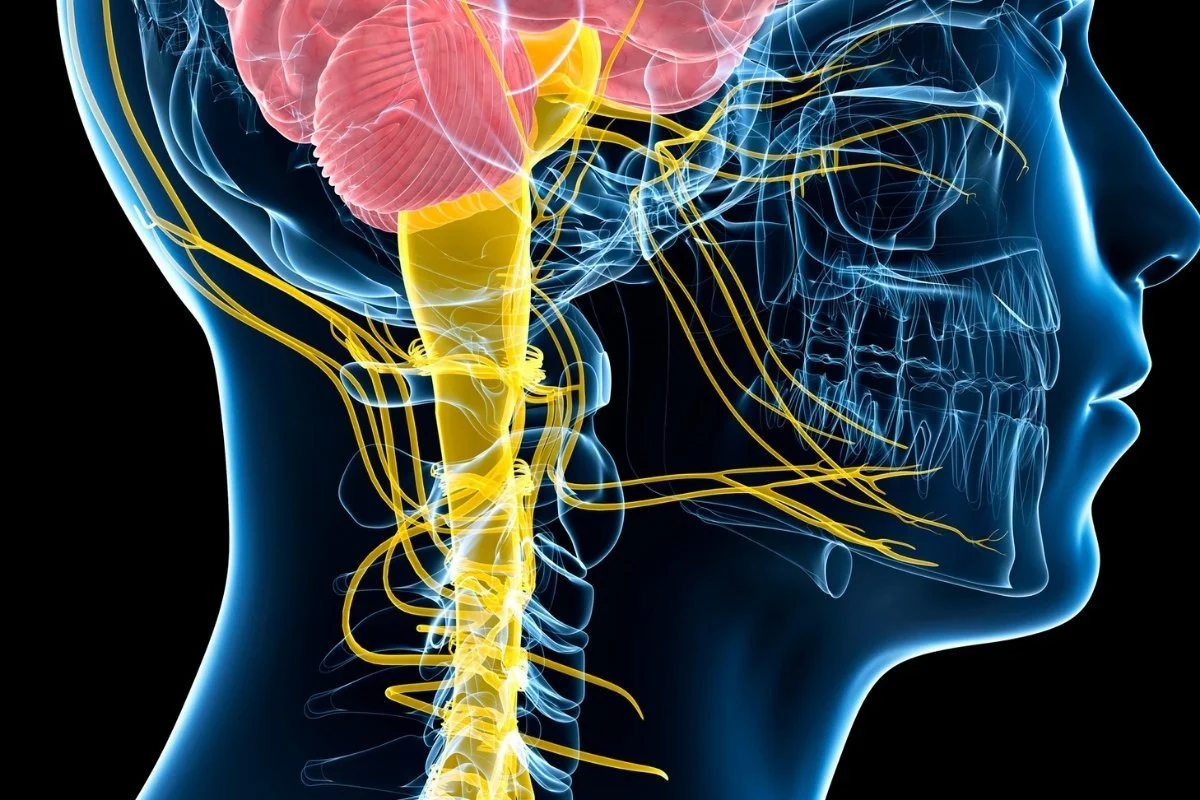
A study published in Frontiers in Neurology found that non-invasive vagus nerve stimulation (nVNS) is associated with improvements in persisting concussion symptoms across cognitive, affective (mood), somatic (physical), and vestibular (balance) domains. Researchers Michael Ament et al. assembled data from 102 patient records in which patients were prescribed nVNS for post-concussion symptoms and completed both a baseline and a follow-up assessment of their symptoms (using the Neurobehavioral Symptom Inventory, or NSI). These were patients with long-lasting persisting concussion symptoms; the patients’ average time from their concussion to the start of nVNS treatment was almost half a year, and for 11% of the group, more than one year. At the beginning of their treatment, patients were taught to use the nVNS medical device (gammaCore™) and instructed to perform 2-minute stimulations twice in the morning and twice in the evening, as well as any time they felt symptomatic. Follow-up assessments were given approximately 3 months after treatment initiation.
The researchers found that nVNS was associated with significant improvement in 16 of 22 symptom domains in the NSI, including post-traumatic headache, difficulty concentrating, dizziness, and depression. Notably, the length of time between injury and treatment did not affect the magnitude of improvement. The researchers say that “the ease of administration, favorable tolerability profile, and multi-symptom efficacy of nVNS represent meaningful advantages in the management of mTBI, a condition with few targeted treatment options.”
Although the neurological processes responsible for the observed improvement are not fully understood, the researchers say that stimulation of the cervical vagus nerve activates parts of the central nervous system that regulate inflammation, helping stabilize dysregulated pathways in the brain most affected by injury. The authors also note a couple of limitations of the study: the retrospective design means that causal relationships cannot be established, and the lack of a control group means that the placebo effect is possible. The researchers attempted to compare the data with data from a group of patients who were not prescribed nVNS, but their baseline symptom levels were different enough to preclude comparison. However, no device-related adverse events or side effects were reported during treatment, which is promising for treatment implementation. The researchers say that “the absence of systemic side effects and the device’s non-invasive nature make it particularly attractive for use in sensitive populations, including those with comorbid psychiatric or autonomic dysregulation.”
The device used in the study, gammaCore™ (by electroCore, Inc.), is available with a prescription from your healthcare provider. Concussion Alliance has no financial connection with electroCore.
