By Zoe Marquis. This article was initially published in the 1/29/26 Edition of our Concussion Update newsletter; please consider subscribing.
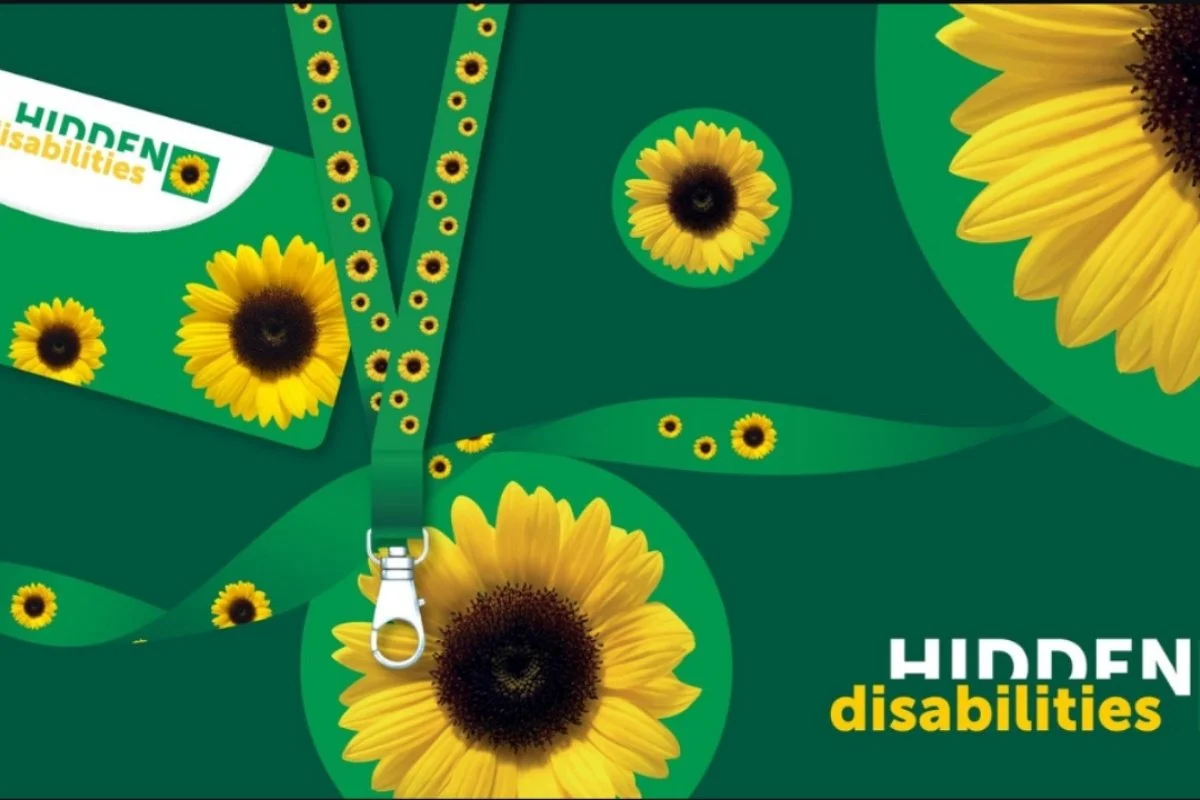
The Sunflower symbol for invisible disabilities is blossoming around the United States and the world, according to a recent article written by Lauren Fetten and published by Being Patient. Designed to be placed on wearable products like pins, wristbands, or lanyards, the Sunflower is a discreet signal that the wearer might need some extra support from staff who have been trained to recognize it. The Hidden Disabilities Sunflower program began in 2016 in London Gatwick Airport and has since been adopted by roughly 125 airports around the U.S. Organizations in several other industries have adopted the Sunflower as well, including transportation companies, grocery stores, and amusement parks. The Sunflower symbol may be useful for concussion patients, especially those experiencing persisting symptoms, as stigma around concussions, persisting symptoms, and other invisible conditions can make it difficult to ask for help.
The Sunflower allows anyone who may need additional support to ask for help in a discreet but flexible way: Employees at organizations that have adopted the Sunflower are trained to ask how they can help without asking about the Sunflower wearer’s disability, and the symbol may also be taken off when the wearer does not need or want extra help. One proponent of the Sunflower program, Jay Reinstein, shared his own experience wearing the Sunflower while travelling. “To be wearing this you don’t have to announce anything,” he said. “You don’t have to say, ‘I have a cognitive issue, I have Alzheimer’s.’ [Employees] see this, and they really want to help. It makes for less stressful travel. Even when I’m traveling with someone, I just feel good about wearing it.”
You can find participating organizations near you on the Hidden Disabilities Sunflower website, which is run by a private company in the U.S. Member organizations receive training on how to implement the program as well as Sunflower products to provide to the public. Products can also be purchased online by individuals. The symbol is used by people of all ages and with a variety of conditions, such as dementia, autism, epilepsy, Parkinson’s, anxiety, traumatic brain injury, post-concussion syndrome, multiple sclerosis, and others. According to the Hidden Disabilities Sunflower website, the sunflower was chosen to be clearly visible from a distance, and to suggest happiness, positivity, strength, growth, and confidence.
