
This week, our lead article, Expanding concussion care through telehealth, is in the Therapies Currently Available category.
Also in this newsletter:
Assessing concussion knowledge among school nurses and athletic program leaders
Potential treatment for post-traumatic headache after concussion: Intranasal lidocaine
Mild traumatic brain injury associated with more than double the risk of psychotic disorders
Concerns about the negative effects of media coverage on recent NFL & CTE research
This week’s writers: Emily Sugg, Chelsea Ryan, Zoe Marquis, Malayka Gormally
Editors: Zoe Marquis and Malayka Gormally
Do you find the Concussion Update helpful? If so, forward this to a friend and suggest they subscribe.
Welcome to our new corporate sponsor, Vielight!
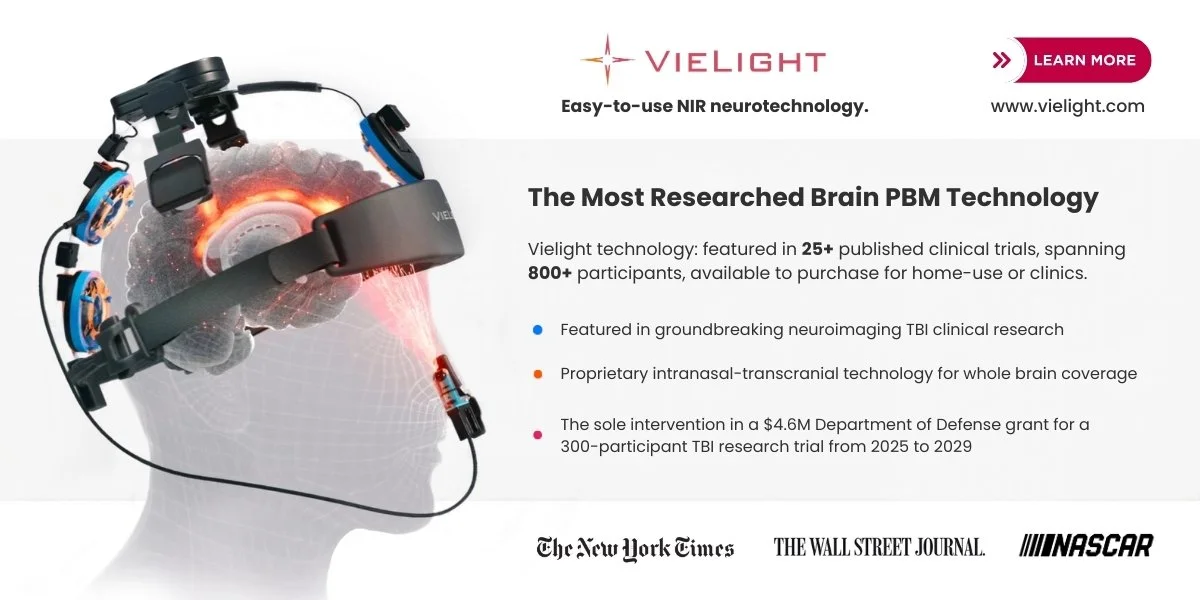
Published today, a New York Times Athletic article discusses Vielight photobiomodulation (itPBM) devices and the “striking” University of Utah research findings that, over the course of a BYU college football season, “The comparison group, who used identical-looking sham devices, developed significant and widespread inflammation…where no inflammation was present in the group treated with itPBM.”
Opportunities
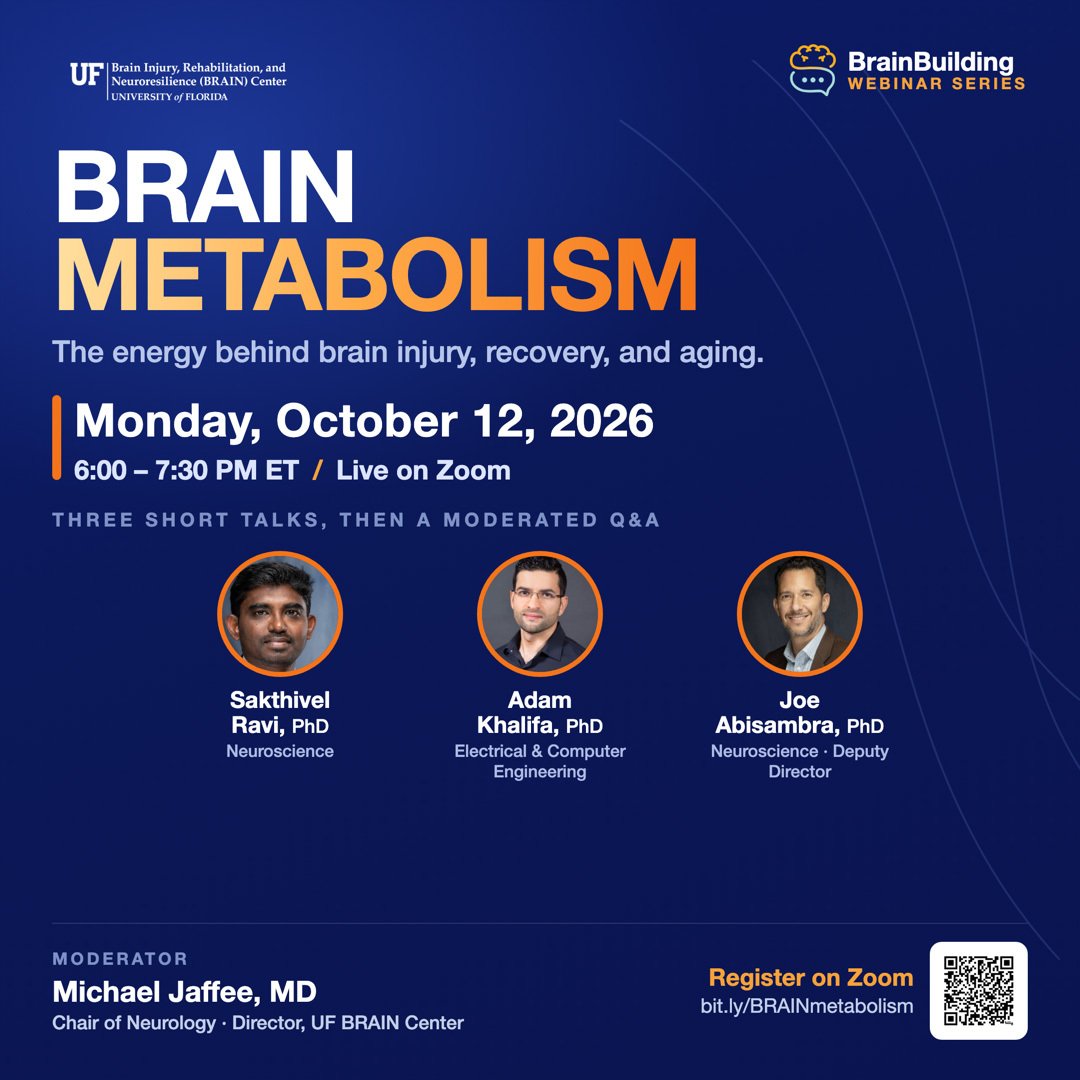
Monday, October 12, 6 pm ET: A free webinar, Brain Metabolism: The energy behind brain injury, recovery, and aging – including presentations on repetitive mild TBI, followed by a Q&A. Presented by Sakthivel Ravi, PhD, Adam Khalifa, PhD, Joe Abisambra, PhD, and moderated by Michael Jaffee, MD. Hosted by the University of Florida Brain Injury, Rehabilitation, and Neuroresilience Center. Register here.
Tuesday, October 13, 6 pm ET: A free webinar, Return to Athletics, Principals and Who to See, presented by Dr. Michael Hutchinson. Hosted by Canadian Concussion Centre. Register here.
Tuesday, October 26, 6 pm ET: A free webinar, Prevention of Subsequent Concussion, presented by Dr. Firas Al Rawi & Stephanie Cowle, and hosted by Canadian Concussion Centre. Register here.
Wednesday, November 04, 12 pm ET: A webinar, Pediatric Concussion Care in 2026: What’s New in the Living Guideline, hosted by the International Brain Injury Association Concussion-mTBI Special Interest Group, presented by Jennifer Dawson, PhD. Free for members, $25 for non-members. Register here.
Call for study participants in the New York area: help researchers understand why some people experience concussion symptoms that persist while others recover. Participants can receive up to $250 in compensation and transportation. Contact Jessica Peters at the Brain Health Imaging Institute at Weill Cornell Medicine, jep4007@med.cornell.edu or (646) 962-9037. See our blog post for more information.
Call for online study participants who have had at least one concussion in their life to complete a short (~10-minute) survey on their thoughts and feelings about their concussion and their recovery. All answers are anonymous. Participants will be included in a drawing for a $100 Amazon gift card. Click on this link to take the survey by Penn State researchers.
Therapies Currently Available
Expanding concussion care through telehealth
According to a study published in Brain Impairment, telehealth-based concussion assessment is feasible and comparable in accuracy to in-person concussion assessment. While a couple of elements of the telehealth assessment, including an assessment of ocular smooth pursuits and a test of autonomic nervous system functioning, were identified as needing refinement to increase accuracy, the overall results were promising. Led by Dr. Stephanie Machera, the team adapted in-person assessments for telehealth delivery, measured the feasibility of the adapted assessments, and compared the results with in-person assessments. This study included 16 participants with concussions and 20 healthy controls. The concussion group included participants who had sustained a concussion more than 2 weeks and less than 3 years before the start of the study; participants were an average of 223 days post-injury. Each participant completed in-person and telehealth concussion assessments. This study’s findings are important because they provide preliminary support for telehealth concussion assessment, which can help expand access to concussion care in rural areas.
The researchers used standard assessment measures of vestibular and oculomotor functioning, cervical spine functioning, and autonomic nervous system functioning, adapted to a telehealth delivery as needed. They measured vestibular and oculomotor functioning with a vestibular/ocular motor screen (VOMS) and a near-point convergence (VOMS-NPC) scale. The VOMS checked to see if swift head and eye movements caused participants to feel dizzy or get a headache. The VOMS-NPC measures how close an object can come to a person's face without them seeingdouble. They used a flexion rotation test (FRT) and a Smooth Pursuit Neck Torsion Test (SPNTT) to measure cervical spine function. These measures evaluated their neck range of motion and smoothness of eye-tracking, and whether these motions triggered symptoms. Lastly, they measured autonomic functioning with an exertion test. In-person assessments used the Buffalo Concussion Treadmill Test (BCTT), while telehealth assessments used the Montreal Virtual Exertion (MOVE) protocol. Both of these tests measured how much activity participants could perform without provoking their symptoms.
Overall, telehealth measures had a high level of agreement with in-person assessments. Telehealth assessments were also quicker to administer, taking only 45 minutes versus a 60-minute in-person assessment. The VOMS was the most robust measure, detecting all impairments in concussed individuals and correctly identifying control participants. However, the smooth pursuits assessment (part of VOMS) was identified as having lower agreement. The VOMS-NPC, FRT, and SPNTT met the benchmarks for validity, but could still be improved, as these assessments sometimes missed some subtle cues or over-identified symptoms. Based on their findings, the researchers suggest that FRT may be best used as a screening tool. They also note that improvements in reliability for FRT could be made by standardizing camera positioning and lighting, and using eye tracking. Finally, they suggest stronger encouragement and an additional exertion stage in MOVE to ensure that patients reach their target heart rate.
This study demonstrated that telehealth holds promise for increasing the accessibility of concussion assessments.However, with such a small sample size, Dr. Macheras hopes to replicate this on a larger population to further support the validity of telehealth concussion assessment. Overall, their findings provide preliminary evidence that vestibular-ocular, cervical, and autonomic concussion symptoms can be accurately assessed via telehealth.
Youth
Assessing concussion knowledge among school nurses and athletic program leaders

Researchers at The Children’s Hospital of Philadelphia recently conducted a study to investigate concussion knowledge, education, and organizational policies among school nurses and youth athletic program leaders, including coaches, supervisors, and volunteers. Led by Madeline Consuelos, the team found that school nurses and athletic program leaders understood their role in concussion care, but welcomed more education. In fact, 25% of the school nurses and 71% of youth athletic program leaders reported that they had never received formal concussion training. The researchers also found that gaps in concussion oversight existed for younger children and those injured in non-sport-related contexts, recreational settings, or free play. Finally, the researchers identified several barriers to concussion care, including lack of concussion awareness among families, lack of parental engagement, language barriers, and access to health care. This study was published in The Journal of School Nursing.
The researchers conducted semi-structured interviews with 12 school nurses and 14 youth athletic program leaders. Participants also completed a questionnaire that included questions about demographic information, medical experience, previous experience with concussion education and care, and self-reported concussion knowledge. The researchers used thematic analysis to identify patterns in the interview data.
The main limitation of this study is its generalizability, as the findings are based on interviews with a small group of school nurses and athletic program leaders in the Philadelphia area. The researchers note that all of the school nurses they interviewed were white, non-hispanic, and female, which limited the range of perspectives, lived experiences, and professional pathways that were represented. They assert that more research is needed, particularly in rural areas or areas without access to a concussion specialty care center, and with a more diverse group of participants.
Therapies Under Research
Potential treatment for post-traumatic headache after concussion: Intranasal lidocaine

An initial-stage study found that intranasal lidocaine holds promise as a potential treatment for post-traumatic headache (PTH) after a concussion. Researchers Victoria Griffiths et al. found that 88% of participants (aged 13-30) experienced a clinically significant reduction in pain within 10-20 minutes after treatment. Additionally, 74% of patients who were offered the treatment accepted, and 93% expressed satisfaction. While 96% reported mild side effects, 98% reported thatthe procedure was tolerable and 81% said they would receive the treatment again. Intranasal lidocaine for migraines has been studied, but this is the first study of intranasal lidocaine for concussion-related PTH, which is a “common and debilitating symptom following concussion,” for which there are limited treatments. Lidocaine provides analgesia (blocking or limiting pain), and when delivered through the nose, it blocks the “sphenopalatine ganglion (SPG), a key structure in headache pathophysiology.”
Published in Neurotrauma Reports, this study included 57 patients who received intranasal lidocaine delivered into the nose by a healthcare provider in a concussion clinic. The group had a median pain score of 5 out of 10 before the procedure, and 2 out of 10 within 10-20 minutes after treatment; this is a median reduction of 3 points, “where a ≥ 2-point change is clinically significant.” Although 96% of the patients experienced at least one side effect, the most common being “unpleasant taste” and “irritation or numbness of the throat,” 81% said they’d be willing to receive intranasal lidocaine treatment in the future.
The study authors chose the 10-20 minute post-treatment timeframe to gauge pain levels and side effects because the study was primarily a feasibility study and was not designed to determine the long-term efficacy of intranasal lidocaine for PTH after a concussion. The authors say that controlled trials are needed to determine the efficacy of intranasal lidocaine for this population.
Mental Health
Mild Traumatic Brain Injury Associated With More Than Double The Risk Of Psychotic Disorders

Patients with a mild traumatic brain injury (mTBI), including those with concussion or post-concussion syndrome (PCS), carry over twice the risk of developing a psychotic disorder compared to those with non-head injuries, according to a recent study published in Cureus. Srishti Reddy et al. analyzed health records from 3,023,268 individuals to evaluate long-term psychiatric outcomes after physical trauma (mTBI and non-head trauma). Although overall incidence remained low, 0.51% in the head trauma cohort versus 0.21% in controls, the elevated hazard persisted across two decades. The researchers noted that this association highlights the importance of long-term clinical monitoring and the need for "further work on mechanisms, risk modifiers, and early identification strategies."
The team used the TriNetX health network to construct two 1:1 matched sample patient groups: 1,511,634 with mTBI and 1,511,634 with non-head trauma, balanced by age and biological sex. Participants with a documented psychotic disorder prior to their injury were excluded. Tracking patients over two decades revealed an ongoing, elevated risk (approximately double) for schizophrenia, schizotypal disorder, and brief psychotic disorder, leaving the mTBI group with a lower rate of remaining psychosis-free compared to controls (97.31% vs. 98.83%).
The authors argue that concussions must be treated as chronic, evolving conditions rather than isolated, self-limiting injuries. By comparing mTBI against non-head trauma, the findings suggest the heightened risk is not due to the initial stress or shock of being injured, but instead is driven by localized neuroinflammation and microglial disruption.
The authors noted important limitations: the electronic dataset relied on diagnostic billing codes rather than in-person clinical exams and lacked data on critical confounders such as family psychiatric history, substance use, and social determinants.
CTE and Neurodegenerative Disease
Concerns about the negative effects of media coverage on recent NFL & CTE research
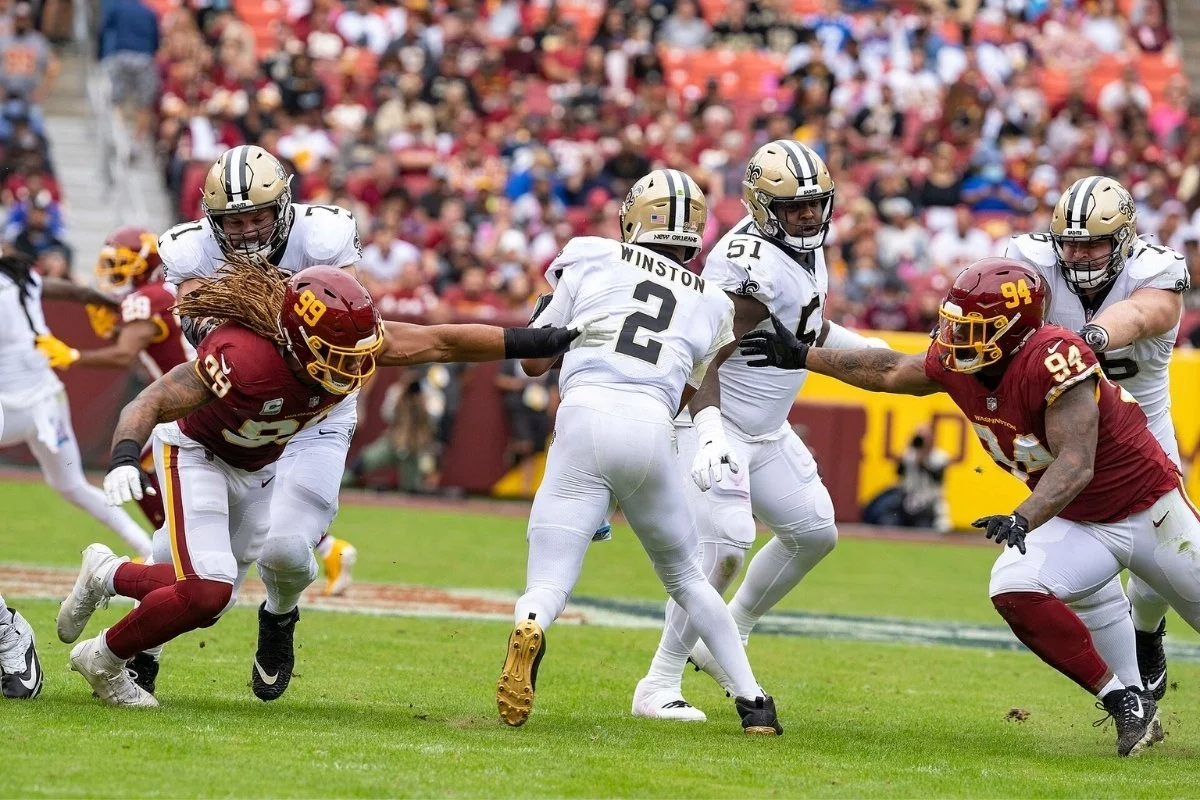
In follow-up articles, several medical professionals expressed concern about detrimental impacts on the public, particularly those with concussions, of the way the media covered the research findings that 1 in 4 NFL players were diagnosed with CTE after death. The concern is that the media coverage may stoke fear about having CTE, causing people not to pursue available treatment for their current symptoms, such as persisting concussion symptoms, sleep apnea, and anxiety.
Uzma Samadani, MD, PhD, in a Forbes article, stated, “The second reason for caution in interpretation of these results is that many athletes or other people who have a single or few concussions may look at the media storm around this result and misunderstand the incidental association between brain injury and chronic neurodegenerative pathology.” In a LinkedIn post, she added, “I wish The New York Times would… explain that most people who sustain a brain injury may get better with appropriate therapy. I worry that the general public will see articles such as the one in The New York Times, and extrapolate to their own circumstances. The anxiety and angst created by believing one has an irreversible neurodegenerative condition after a brain injury does not help with healing.”
In a Harvard T.H. Chan School of Public Health press release, Rachel Grashow, senior research scientist, said, “Our concern is that the public and kitchen table conversations around CTE are creating hopelessness in living former NFL players,” she told NPR. “And this hopelessness may discourage them from reaching out to their doctors and getting treated for conditions, like sleep apnea, that are causing worrisome symptoms.” She said it’s important to encourage former players to tell doctors and loved ones about any concerning symptoms.”
Shan Patel, PsyD, in a Patel Concussion Institute blog post, wrote, “In studies of people without that extreme career-long exposure history, CTE turns up rarely or not at all.” He added, “If you're weeks out [from a concussion] and still symptomatic, that is usually not evidence of permanent damage. It's usually evidence that nobody has figured out what is driving your symptoms, and how to treat it…The most protective thing you can do for your brain right now is not to worry harder about a disease that can't be diagnosed in you [CTE can only be diagnosed with an autopsy]. It's to get the injury you actually have properly evaluated and properly treated, because that is the exposure that matters, and it's the one still in front of you.”
What We’re Reading
Associations between wearable-device-measured daytime and nighttime light exposures and dementia risk: A prospective cohort study | General Psychiatry
Related article: Daylight Exposure Reduced Dementia Risk in New Study | The Healthy
Youth Soccer Participation and Brain Health Outcomes in Adolescent Athletes | JAMA Network Open
Amateur Soccer Heading and Acute Elevations in Blood-Based p-Tau217 and S100B | JAMA Neurology
Pervasive TBI and Inhibitory Control in a Male New Zealand Prison Population | Brain Sciences
Neuro-Optometric Rehabilitation to Prevent Post-concussion Visual Complications: A Case Report | Cureus
Joint statement on VA’s release of new traumatic brain injury numbers | Disabled American Veterans
Potential head injuries in women's football: Identification of coachable moments | Journal of Science and Medicine in Sport
Oral Contraceptives, Concussion History, and Contact-Sport Exposure: Multimodal MRI and Brain Injury Biomarkers in Female Athletes | Neurotrauma Reports
You Can Support Concussion Patients

Join our community of monthly donors committed to improving how concussions are prevented, managed, and treated, thereby supporting long-term brain health for all. Learn more.
You can also make an impact with a one-time gift or tax-friendly options such as Donor Advised Funds (DAFs), IRA Charitable Rollovers, and Planned Giving: leave a gift in your will. Learn more.