1 in 4 NFL players diagnosed with CTE after death (8/27/26 Newsletter)
This week, our lead article, 1 in 4 NFL players diagnosed with CTE after death, is in the CTE & Neurodegeneration category.
Also in this newsletter:
This week’s writers: Zoe Marquis, Malayka Gormally, Ella Webster
Editors: Zoe Marquis and Malayka Gormally
Do you find the Concussion Update helpful? If so, forward this to a friend and suggest they subscribe.
Opportunities
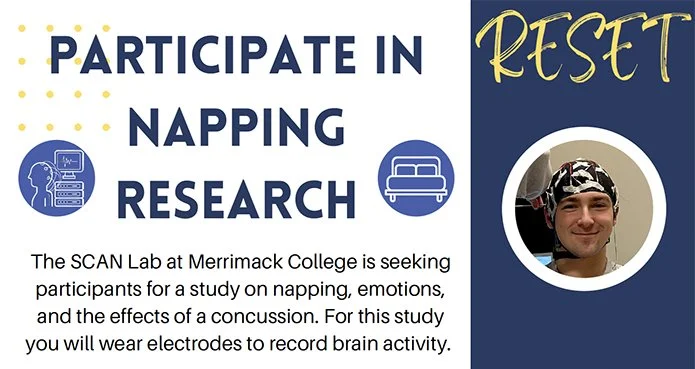
Call for study participants: This current NIH-funded study investigates whether extending sleep can help the brain’s ability to recover and support emotional regulation. They are currently recruiting individuals who have recently experienced a concussion (within the last 2 weeks) to participate in this study. Participants will complete two visits at Merrimack College in North Andover, MA, approximately one week apart. For your participation, you will receive $120 Amazon or DD Gift Cards. Click here for contact info and more details.
Register now for a September 9 start: Free, interactive online medical education on Traumatic Brain Injury begins on September 9 and runs weekly on Wednesdays from 5:00 - 6:00 EST. Presented by ECHO at UHN, Canada’s Hospital. Open to professionals in the U.S. and elsewhere. Access their flyer here.
CTE & Neurodegeneration
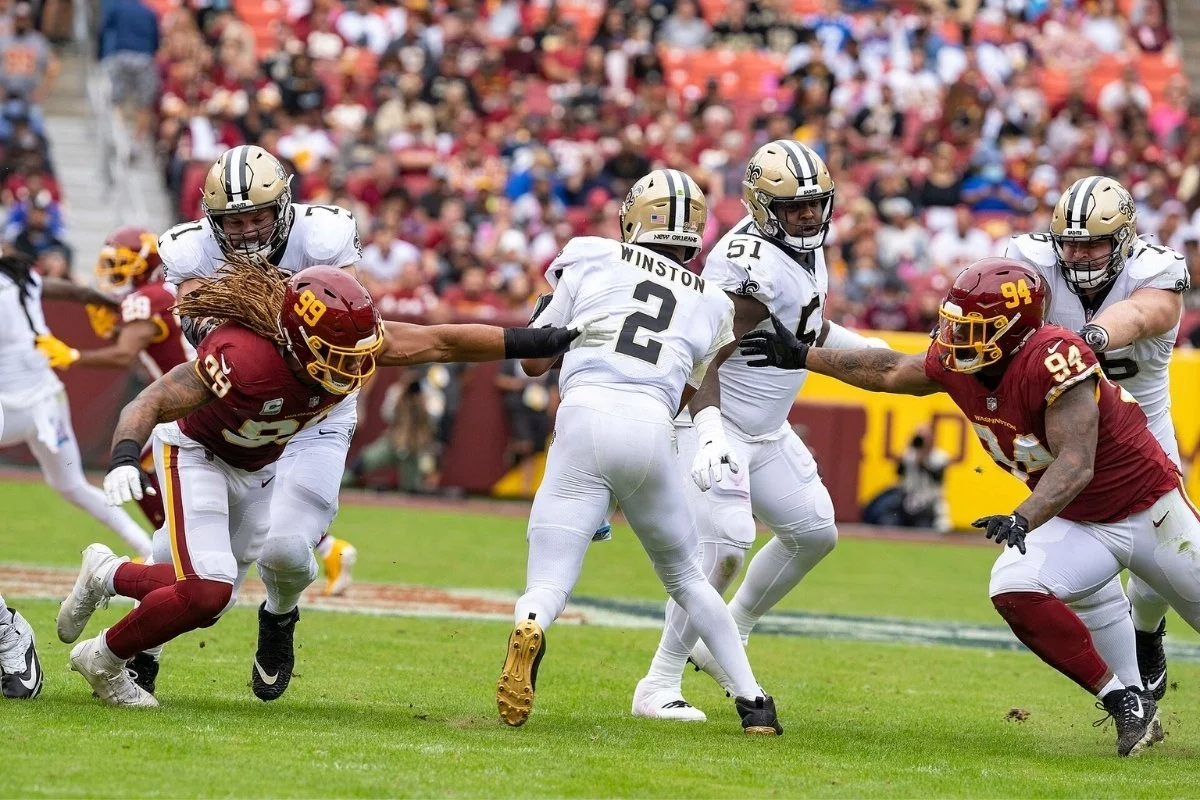
Attribution: All-Pro Reels from District of Columbia, USA, CC BY-SA 2.0 <https://creativecommons.org/licenses/by-sa/2.0>, via Wikimedia Commons.
1 in 4 NFL players diagnosed with CTE after death
A study published this Tuesday in the British Medical Journal has triggered a wave of media coverage and conversation; researchers Daniel H Daneshvar et al. found that 1 in 4 NFL players who died in a recent six-year period (2016-2021) had the brain disease CTE. The rate of CTE in this group, 24.5%, is based on simple math: 215 of the 878 players who died during the six years had CTE. The incidence may actually be higher. The brains of 73% of this group were not available to be evaluated, so the “possible CTE prevalence at death” ranged between 24.5% and 97.7%.
Chronic traumatic encephalopathy (CTE) is a neurodegenerative disease that can only be definitely diagnosed by a neuropathological evaluation of the brain after death. CTE is associated with repetitive head impacts and total cumulative impact; the study authors did not mention concussion. CTE is vanishingly rare in community populations without exposure to repetitive head impacts, between 0% and 1.3%.
The study has spurred numerous articles: a New York Timesarticle summarizing the study, including what this extreme occupational hazard means for the NFL, and an article in The Washington Post pointing out an important caveat mentioned by the study’s lead author: “Daneshvar cautioned against applying that number to living players.‘This isn’t looking at active players,’ he said. ‘This is people at the end of their lives. And so we can’t directly extrapolate from this to living current players or even living retired players.’” Other articles discuss what these study findings mean for current NFL players; what this means for our culture of consuming NFL games as entertainment; what it means for youth football; and what it means for decisions families have to make. In the next few paragraphs, we’ll explain the basics of the study, and then discuss the implications for youth football.
The study looked at athletes who had played at least one NFL game and who had died between 2008 and 2021; this was 1,712 former NFL players, and 338 were brain donors whose brains underwent neuropathological evaluation. Since there was a significant increase in brain donations in recent years, the study authors examined separately the group who died during the last six years of the study, from 2016 to 2021. For this group, 878 players died, 236 donated their brains, and 215 of the brain donors had CTE. So the math is simple: we know that 215 of the 878 NFL players who died in these six years had CTE, or 24.5%.
Another objective of the study was to “examine the association between CTE severity and risk of dementia.” The authors found that “stage IV CTE was associated with a 44% elevated risk of dementia among donors.” For CTE stages I-III, they did not find an association between CTE and dementia, after using statistical analysis to account for multiple factors, such as age of death, first exposure to tackle football, and health issues such as sleep apnea, hypertension, and substance abuse.
Concussion Alliance notes that studies have found that exposure to repetitive head impacts in cohorts of former professional contact sport athletes (for example, in soccer and international rugby union) is associated with a significantly elevated risk of developing neurologic diseases that can be diagnosed during life, such as dementia, Parkinson’s Disease, and motor-neuron disease.
In terms of youth sports, The New York Times published the article"Your Child Plays Football. How Can You Minimize Risk of C.T.E.? Researchers say it’s all about reducing the total number of blows to the head.” According to The New York Times author John Branch, “there is a growing list” of individuals who started playing football early (as young as 6) and who died of CTE in their teens and twenties. Branch notes that brain researchers recommend playing flag football (instead of tackle football), playing other low-contact sports, or delaying when your child starts tackle football. Limiting tackling in football practice is another recommendation. According to Branch, “Researchers said that no helmet or helmet cover, mouth guard, neck equipment, supplement or medication has proved to reduce C.T.E. risk, despite any marketing claims.”
Concussion Alliance notes that while CTE is associated with repetitive head impacts, not concussions, we know that parents are also thinking about concussions. We want to remind our audience that Guardian Caps designed for youth (including high school football players) do not reduce concussion risk. Additionally, the Q-collar does not prevent concussions.
Therapies Currently Available
Treatment for persisting symptoms in youth; early symptom-targeted multidisciplinary care outshines usual care
In a recent clinical trial, researchers Vicki Anderson et al. found that using a symptom-targeted multidisciplinary treatment for persisting post-concussion symptoms (called “Concussion Essentials”) was associated with faster recovery in youth compared to typical care. Published in the British Journal of Sports Medicine, the clinical trial included 158 patients ages eight to eighteen and took place between 2019 and 2024. The Concussion Essentials treatment resulted in 62.5% of patients making a full recovery within three months of injury compared with 37% of patients who received typical care. According to the researchers, “Findings from this study support the adoption of individualized and targeted multimodal treatment, delivered flexibly by an integrated multidisciplinary team,” for youth with persisting post-concussion symptoms (PPCS).
The researchers recruited concussion patients ages eight to eighteen who were experiencing symptoms at 11-17 days post-injury. This timeline allowed the researchers to assess treatments that were started early in the recovery process, when they are most effective. All participants completed a baseline assessment at three weeks post-injury, and then were randomly assigned to receive either the symptom-targeted multidisciplinary treatment or usual care (weekly monitoring). The Concussion Essentials group received personalized education, psychological care, and physiotherapy. Treatment lasted for up to eight weeks, or until symptoms resolved. Most patients who received the Concussion Essentials treatment recovered before the end of the treatment period (14.9% at four weeks and 41.8% at seven weeks).
The researchers note that this study used a symptom assessment based on parent-reported data rather than child self-reports. They acknowledge that there is debate about the most accurate way to measure children’s symptoms, and, to address this concern, they are working on another publication using the child self-reported data.
Culture
Possible future use of Artificial Intelligence (AI) to support sports-related concussion care
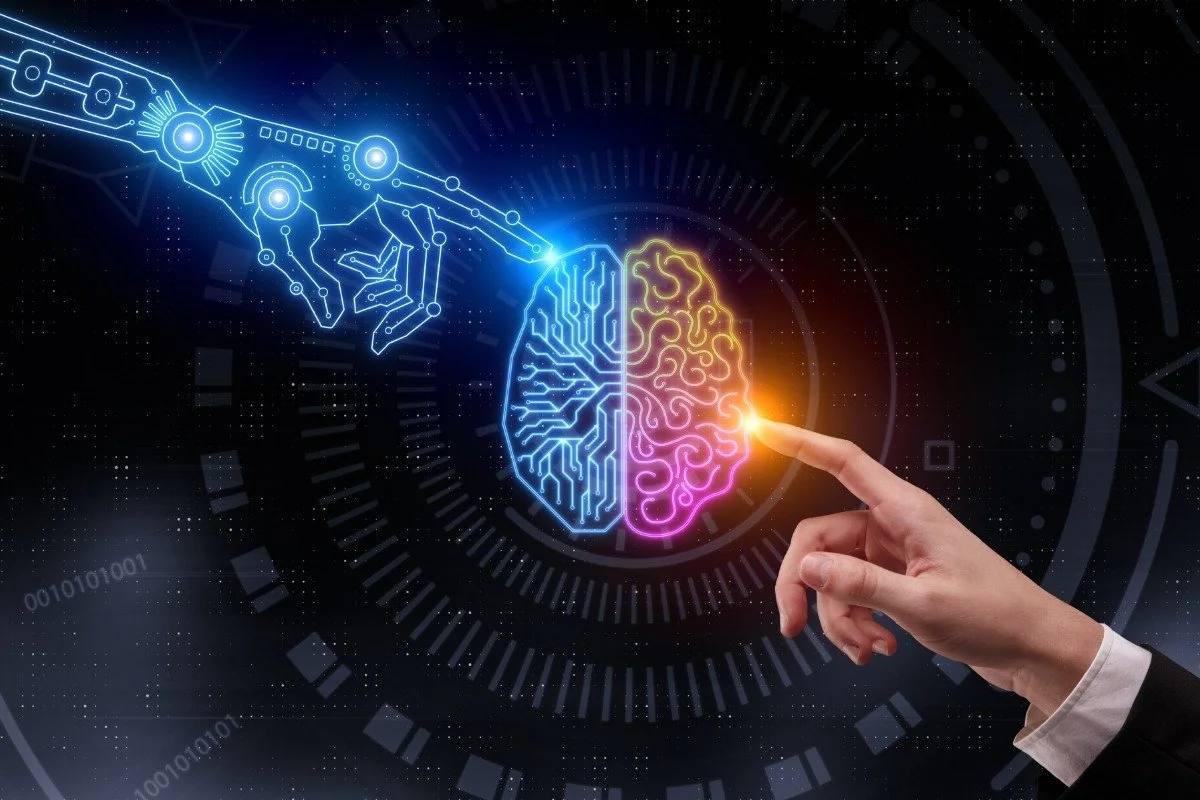
A recent article from The Conversation explored how AI could support doctors and other healthcare professionals throughout the concussion management process. According to authors Danny William Walmsley and Damian Bailey, the possible future use of artificial intelligence (AI) could improve concussion detection, treatment, and management of return-to-sport decisions. Concussions are difficult to diagnose, as symptoms vary between athletes and severity depends on many factors, such as physiology and concussion history. The authors suggest that AI might allow doctors to integrate more individualized objective data into their assessments and decisions. However, they caution that AI has risks, including hallucinations, incorrect analysis, and bias.
AI could help doctors create more personalized recovery plans by combining information from both subjective questioning and clinical tests. For example, “An independent AI model, drawing on a range of data from brain scans and blood tests to surveys of an athlete’s mood, could provide medical staff with a solid foundation of objective evidence” to determine when the athlete can safely return to play. The goal would be to help reduce pressure from athletes, coaches, and teams to return too quickly.
Another example includes the possibility of AI turning “data from wearable sensors in helmets and gumshields… into maps of the brain’s injuries.” Repeated head impacts can cause long-term brain damage, so this type of mapping could be important for athletes.
However, the article emphasizes that AI also presents risks. AI systems can produce false information or incorrectly identify an injury as low-risk, potentially leading to an athlete returning to play too soon. AI can also be skewed due tolimited and biased data used to train it, meaning systems may be less accurate for groups such as women, children, and amateur athletes. There are also concerns about who controls athletes’ medical data.
Combining AI systems with a professional's medical knowledge could help support many athletes, but AI lacks the critical thinking and outside factors that humans can consider. The authors note that “...leaning too heavily on AI as a shortcut will dampen genuine curiosity and creativity.” With transparent systems, diverse data, and proper safeguards, AI could become a useful tool for improving concussion care and protecting athletes’ long-term brain health.
What We’re Reading
Psychedelics for the management of symptoms of traumatic brain injury: Findings from the global psychedelic survey | ScienceDirect
Q&A: Psychedelics space is 'evolving very rapidly' | Healio
Too Tough to Tell: Masculinity, Sport Culture and The Silence Around Sport-Related Concussions | The Sport Information Resource Centre
Lifetime Cannabis Use Is Associated with Brain Volume and Cognitive Function in Middle-Aged and Older Adults | Journal of Studies on Alcohol and Drugs
AI Listens Better Than Your Doctor (But Could Make You Feel Worse) | Exploding Topics
“Overnight, everything changed”: life courses and turning points toward homelessness among people with acquired brain injury | Taylor & Francis Online
Related article: Hidden link: Brain injuries often come before homelessness, interviews reveal | Medical Xpress
Multifocal Noninvasive Deep Brain Stimulation to Enhance Cognition in Mild Cognitive Impairment | JAMA Network
GLP-1 Medications and Concussion Recovery: What I've Learned | LinkedIn
Validating telehealth assessment of physical concussion symptoms | Brain Impairment
Identifying and Managing Traumatic Brain Injury–Related Vision Symptoms in Hispanic Patients | NeurologyLive
Neurologic Diagnoses Before and After Traumatic Brain Injury: A Retrospective Cohort Study of Older Veterans | Neurology
Related press release: https://press.aan.com/embargoed-aan-june-17-2026-neurology-news
Exertion Tests Offer Insight Into Recovery From Youth Concussions | NewsWise
You Can Support Concussion Patients

Join our community of monthly donors committed to improving how concussions are prevented, managed, and treated, thereby supporting long-term brain health for all. Learn more.
You can also make an impact with a one-time gift or tax-friendly options such as Donor Advised Funds (DAFs), IRA Charitable Rollovers, and Planned Giving: leave a gift in your will. Learn more.