New soccer-specific on-pitch concussion assessment: International consensus recommendations (7/23/26 Newsletter)
This week, our lead article, International consensus recommendations for soccer-specific on-pitch concussion assessment, is in the Sports category.
Also in this newsletter:
Expert Voices: Zach Napora on selective head cooling for mental health
Novel VR intervention improves prospective memory and eye focus
This week’s writers: Zoe Marquis, Sneha Bansal, and Emily Sugg
Editors: Zoe Marquis and Malayka Gormally
Do you find the Concussion Update helpful? If so, forward this to a friend and suggest they subscribe.
Welcome to our new Corporate Partner!
Opportunities

Thursday, July 30, 10 am ET: A live web event, CTE: The Role of the Athletic Trainer in Education and Risk Reduction. Presented by Robert Cantu, MD, and Chris Nowinski, PhD, and Dan Daneshvar, MD, PhD. Hosted by the National Athletic Trainers Association and the Concussion & CTE Foundation. Cost: $25. 1 CEU.
Friday, July 31, 2:00 pm ET: A free webinar, Can itPBM Help Mild Cognitive Impairment (MCI)? Results from a Multimodal Clinical Trial. Presented by Neda Rashidi-Ranjbar, PhD, MD, and Corinne Fischer, MD. This pilot study found that transcranial photobiomodulation improved cognition, memory, and brain-network connectivity, promoted efficient energy production, and lowered inflammation. Read more here and here.
Thursday, August 20, 11 am ET: A free online training, Management of Sleep Disturbances Following Concussion, hosted by the Traumatic Brain Injury Center of Excellence. 1 CE/CME
Thursday, August 20, 2026, 3:00-4:00 pm ET: A free webinar, Concussion in Youth Football: What We Know, What We Can Do, and How to Protect Young Athletes, presented by Dana Waltzman, PhD, and Johna Register-Mihalik, PhD, and hosted by the Brain Injury Association of America and the National Athletic Trainers Association (NATA). NATA CEUs, ACBIS, and AOTA CE credits.
Six weeks on Tuesdays, August 18 - September 22, 12 - 2 pm ET: An Online Caregiver Retreat for Brain Injury Caregivers, designed to empower caregivers with new perspective, tools, and purpose. Sliding scale, full scholarship – $350.
Expert Voices
Expert Voices: Zach Napora on selective head cooling for mental health
Zach Napora was an intern with Concussion Alliance and is now a Ms/PhD Candidate at Penn State University. Zach is the first author on this study from Penn State's Sport Concussion Research and Services Lab. From Zach:
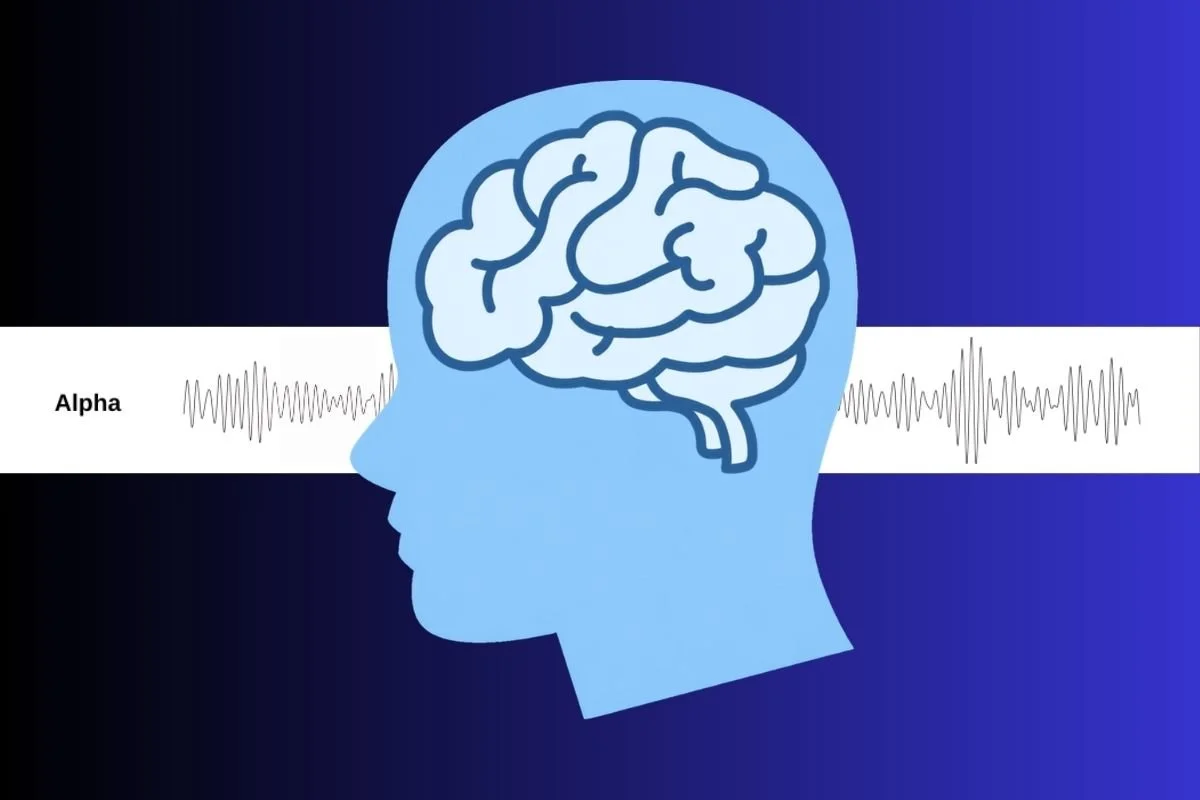
Over the past year, our lab set out to explore something slightly outside our usual concussion-focused work: could selective head cooling benefit people who haven't had a brain injury? We'd already seen encouraging results using head and neck cooling to speed concussion recovery, but we kept noticing anecdotal reports of improved mood in people who tried it regardless of injury status. That observation became the seed for this study. We ran a week-long randomized controlled trial with 24 college students, comparing a group who used the Welkins Arctic Cooling Cap for 30 minutes a day against a seated-rest control group. We tracked EEG activity, depression, anxiety, and worry scores, and cognitive performance across the week. What we found was promising: the cooling group showed a significant acute increase in relative alpha power (a marker linked to calm, relaxed brain states) after just one session, and by the end of the week, they showed significantly greater reductions in depression symptoms than controls. We also saw some interesting, if preliminary, signals suggesting people with existing anxiety may respond differently to the intervention than those without. This project matters to us because it pushes head cooling beyond its established role in concussion care and into the realm of general mental health and well-being. If these early trends hold up in larger trials, selective head cooling could become a non-invasive tool for supporting mood and stress regulation. These results also suggest that psychological issues may be the mechanism through which selective head cooling speeds concussion recovery, although more research is needed.
Resource Highlight: Persisting Symptoms after Concussion
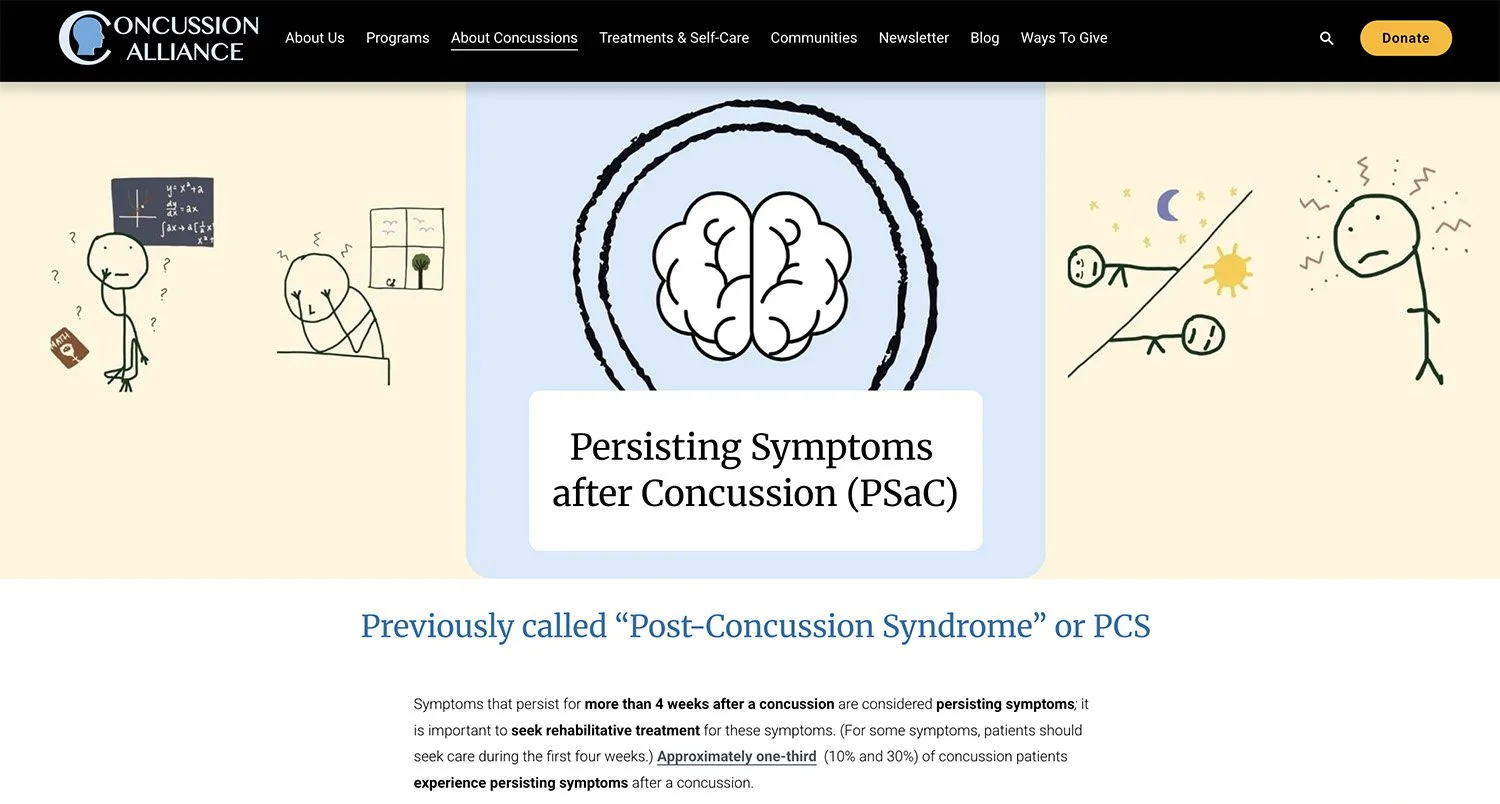
Our website has resources that translate international concussion guidelines for the public. Take a look at our resource Persisting Symptoms after Concussion, which covers what is commonly called post-concussion syndrome (PCS). Each of the four categories of persisting symptoms is explained, along with the types of evidence-based treatments generally recommended for each category, and in what time frame to seek help. Also included is where to get care for persisting symptoms and factors that may make a person more vulnerable to developing persisting symptoms.
Sports
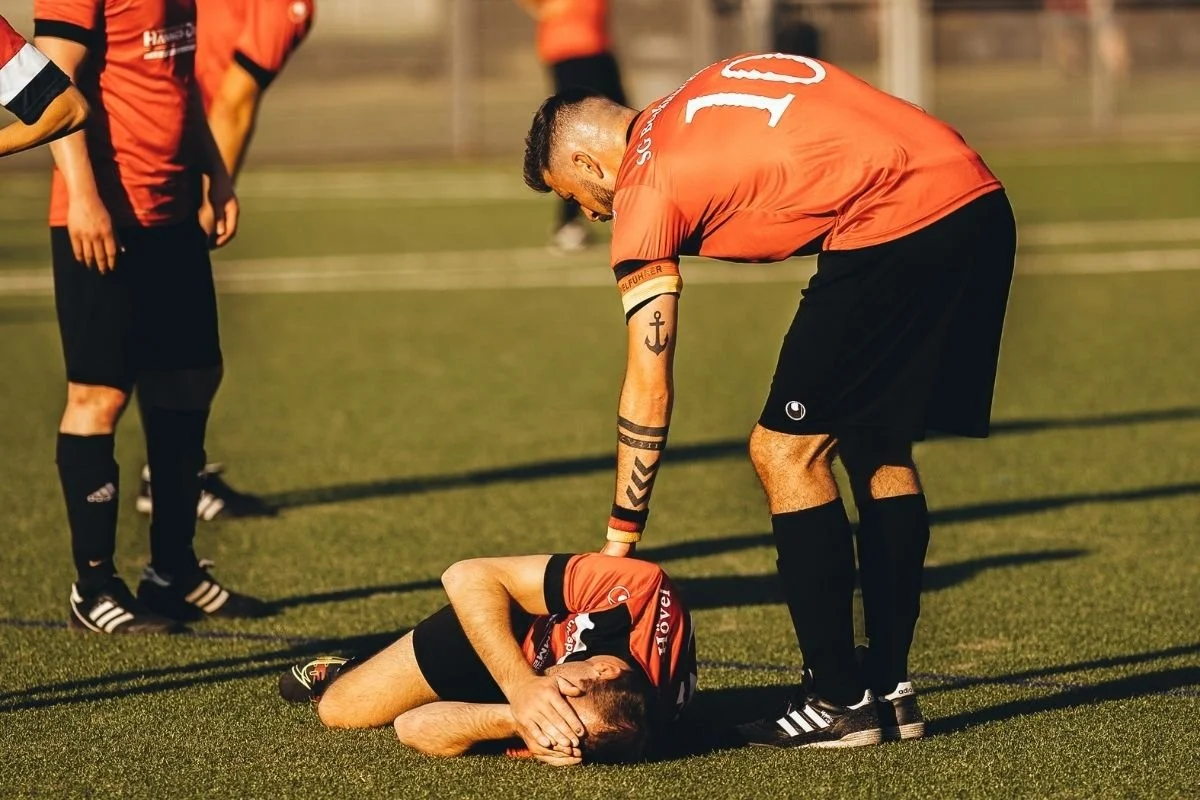
Soccer-specific on-pitch concussion assessment: international consensus recommendations
Experts across 57 FIFA member associations recently developed a soccer-specific on-pitch concussion assessment protocol, called FOCUS. Published in JAMA Neurology, FOCUS was created through a Delphi process, which is a rigorous and structured way to build consensus among different groups. Although general assessments exist to evaluate players with a possible concussion, there is no standardized assessment that is soccer-specific and designed for immediate, on-field use. To address this gap, researchers Kerry Peek et al. conducted a three-stage process, including a systematic review of existing concussion assessment tools (with a focus on soccer) and two rounds of feedback on the assessment items from the review. The resulting assessment includes 45 items across 11 domains, and the median time to complete the protocol is 2 minutes and 52 seconds.
Items were included or excluded from the final protocol if at least 80% of the participating experts agreed on the inclusion or exclusion, and items that reached 75%-79% agreement were discussed by a steering committee. Key concerns included the protocol’s speed of use as well as its coherence with soccer-specific rules and culture. For example, in sports where there is an incentive to get up quickly after impact, being slow to get up may be a sign of a possible concussion. However, in soccer, it is common to get up slowly to extend recovery time or increase the chances of getting a penalty kick. Thus, being slow to get up was not included as a possible sign of concussion in FOCUS.
The researchers note that FOCUS is not meant to diagnose concussion, but rather to identify whether a player is showing signs or reporting symptoms associated with concussion so they can be removed from the game and further assessed. Evidence shows that players who continue to play after a suspected concussion are at increased risk of prolonged recovery, deterioration in performance, and further injury, so it is important to have an assessment that can be completed immediately and quickly. The researchers also mention that further changes may be made to FOCUS as it is currently being assessed in an implementation study.
Pathophysiology
Myelin may be a therapeutic target for TBI
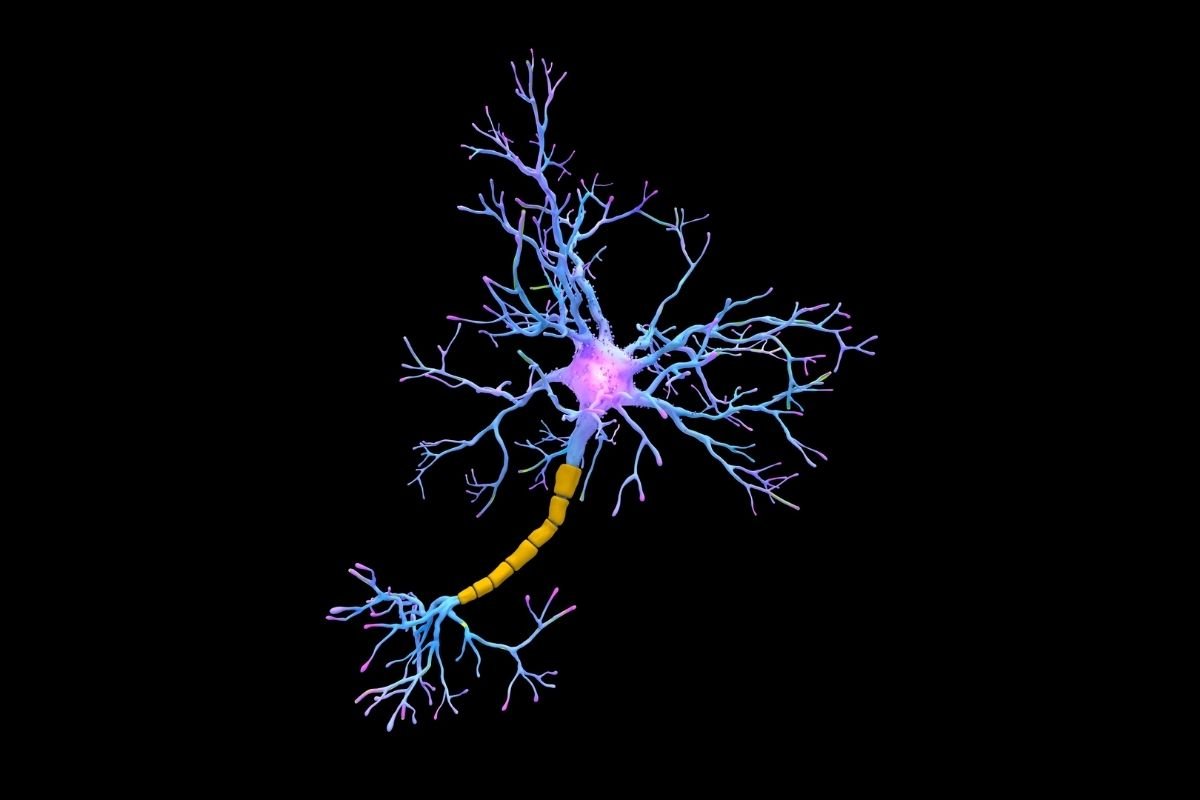
A recent review published in Occupational Diseases and Environmental Medicine proposes that myelin, a fatty coating around nerve fibers, is a central player in many brain conditions, such as normative aging, Alzheimer’s disease, Multiple Sclerosis, stroke, and traumatic brain injury. The review synthesizes data from animal studies, advanced MRI studies, and clinical trials of various remyelination drugs. Sundas Almas et al. write that myelin loss can occur early, sometimes even before the hallmark signs of some neurodegenerative diseases. They argue that instead of just reflecting long-term cognitive and neurological problems, myelin failure could actually be driving them. The authors note that “The growing recognition of myelin’s central role” has led to a “burgeoning pipeline of pro-myelinating therapies.”
The authors describe myelin as a “dynamic convergence hub fundamental to brain physiology,” and emphasize that myelin is frequently disrupted across many brain disorders instead of a secondary problem in these conditions. They cite recent work showing that successful remyelination can make the brain appear biologically younger on MRI-based brain age measures, such as in this landmark CCMR One trial where remyelination after a 6-month treatment of RXR agonist bexarotene was linked to a reduction in MRI‑estimated brain age. Based on this study and others, the authors suggest that since myelin integrity is a central mediator of brain health, enhancing myelin integrity may be a viable strategy for achieving rejuvenation of the brain’s axon-myelin system and the Central Nervous System, promoting functional recovery.
The authors highlight that myelin disruption is a common pathway across many brain disorders, including traumatic brain injury, where damage to the axon-myelin unit plays a central role in long‑term symptoms. In the case of TBI, particularly diffuse TBI, the authors note that injury to this axon–myelin system can extend into regions far from the immediate impact site, which helps explain why patients can have persistent white‑matter changes and experience cognitive problems even when conventional scans might appear normal.
The authors caution that while these findings are promising, remyelination therapies are not without their limitations. These therapies must be carefully timed and personalized to individual patients. In some chronic injury models, poorly targeted or late treatment can exhaust the cells that generate new myelin. Moreover, individual factors like biological age and genetics can also influence the effects of the treatment. Overall, the researchers call for more precise imaging and the development of biomarkers to identify patients who are most likely to benefit from personalized myelin-focused treatments.
Therapies Under Research
Novel VR intervention improves prospective memory and eye focus
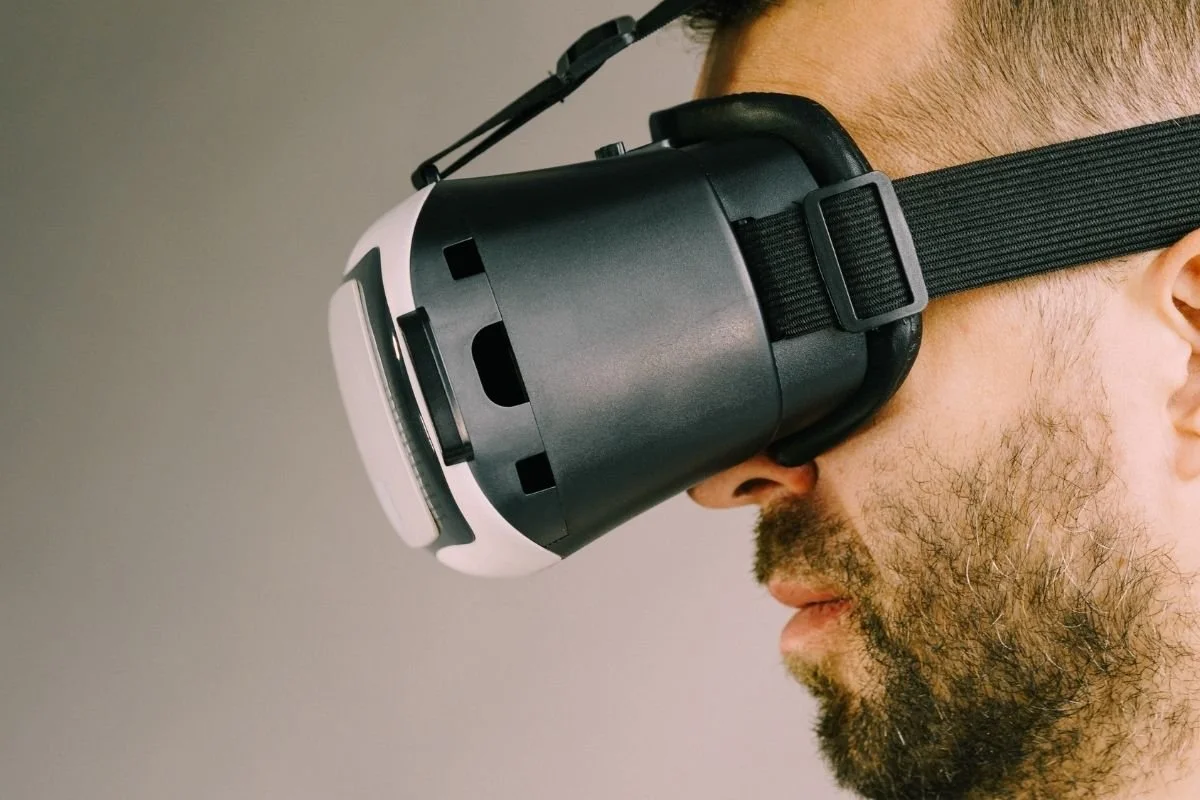
A study found that a novel virtual reality (VR) program improved prospective memory (the ability to remember a planned action in the future) and eye focus for traumatic brain injury (TBI) patients. An article in Helio by Richard Gawel covers the study, which was a poster presentation winner at the 8th Annual Virtual Medicine Conference (March 2026). Concerned by the high percentage of TBI patients who don't get rehabilitation (between 77% and 88%), Kristen Linton, MSW, PhD, investigated VR as a means to increase access to care.
The VR intervention developed by Dr. Linton’s team consisted of six sessions of a memory scenario (a Park Stroll) and six sessions of an eye focus scenario (a Beach Stroll). A Brain Injury Center blog post explained that in the hospital bedside arm of the study, the Beach Stroll scenario resulted in “significant improvement in eye focus (from 15% to 67%), along with meaningful reductions in pain, anxiety, heart rate, and blood pressure.” In the outpatient arm of the study, the Park Stroll and Beach Stroll scenarios resulted in statistically significant, moderate improvement for both prospective memory and eye focus. Prospective memory and eye focus are “skills that directly support greater independence and everyday conversations.” See the poster/slides here. Dr. Linton is now recruiting additional patient study participants, and she is offering to share the VR scenarios in order to promote further research.
In the outpatient arm of the study, Linton and colleagues set up two groups, an intervention group and a control group, with all patients being at least one year post-TBI. The intervention group consisted of 14 patients who participated in 12 20-minute VR sessions. The control group, with 11 patients, participated in 12 sessions where they played a memory card game for 20 minutes. After the end of those 12 sessions, they received the same VR sessions as the intervention group, allowing the researchers to assess data where the intervention was delayed.
All patients before and after treatment completed a 16-Item Prospective and Retrospective Memory Questionnaire (PRMQ) on a 5-point scale ranging from 1 (never) to 5 (very often). The PRMQ asks eight questions about prospective memory, which is the ability to remember to carry out an action in the future. For example, patients would be asked how often they forget to take their medication or get the mail. Additionally, the PRMQ asks eight questions about retrospective memory, the ability to recall past events and facts. For example, patients would be asked how often they forgot a person's name or what happened the previous day. Participants also completed a single-question pass/fail memory test.
The intervention group participated in two different VR scenarios, a Park Stroll scenario for memory and a Beach Stroll scenario for eye focus. During the Park Stroll, patients were asked to hand three random items in a specific order to three different sets of park visitors. Patient results were based on the mean number of items patients correctly handed out during their stroll. During the beach stroll, they were asked to focus on a floating sphere in the center of the slow beach walk for six minutes. They measured eye focus success by how many seconds the patient could remain focused on the sphere while waves crashed and birds flew by “distracting” them.
The Park Stroll scenario resulted in moderate improvement in memory, from 2.16 to 2.83 items remembered out of 3 total items from the first session compared to the last session. The Beach Stroll scenario resulted in moderate improvement in eye focus; patients maintained eye focus for an average of 311.4 seconds during the last session, compared to 226.69 seconds during the first session. For the single-question pass/fail memory test, 9% of the original control group improved, less than 1 in 10 patients. The intervention group showed a 36% improvement in the single-question pass/fail memory test after their 12 VR sessions. The delayed intervention group demonstrated the most growth, with 57% of participants improving after the delayed intervention. The VR scenarios are available in English and Spanish.
What We’re Reading
PET Suggests Potential CTE Biomarker in Living Humans | Society of Nuclear Medicine and Molecular Imaging
Abstract here
Amateur Soccer Heading and Acute Elevations in Blood-Based p-Tau217 and S100B | JAMA Network
Related article: Amateur soccer players see rise in neural damage blood biomarkers after heading the ball | Healio
Does cycling have a concussion problem? | The Times
SHINING NEW LIGHT ON TREATMENT FOR TRAUMATIC BRAIN INJURY | University of Utah
You Can Support Concussion Patients

Join our community of monthly donors committed to improving how concussions are prevented, managed, and treated, thereby supporting long-term brain health for all. Learn more.
You can also make an impact with a one-time gift or tax-friendly options such as Donor Advised Funds (DAFs), IRA Charitable Rollovers, and Planned Giving: leave a gift in your will. Learn more.