This week, our lead article, A potential mild traumatic brain injury biomarker for older adults: Glial Fibrillary Acidic Protein, is in the Diagnostics category.
Also in this newsletter:
This week’s writers and editors: Zoe Marquis and Malayka Gormally
Do you find the Concussion Update helpful? If so, forward this to a friend and suggest they subscribe.
Opportunities
Concussion Talk Podcast Episode 1: Concussions & The Menstrual Cycle. A free podcast hosted by Allyssa Memmini PhD, LAT, ATC.
Call for study participants: Graduate student Abigail Mosteller is looking for participants for her graduate thesis under Dr. Mamlekar at Misericordia University. She is studying how college students with a history of mTBI/concussion handle academic demands, what supports would be beneficial, and what barriers they face in higher education. If you are a full-time college student with a history of mTBI/concussion and you are interested in participating, reach out to Abigail at mostella@misericordia.edu or 570-674-1770. Read more here.
Wednesday, July 8, 4pm: LoveYourBrain Mindset for Young Adults. A free, six-week online program for young adults with brain injury that combines mindfulness, yoga, and peer support. Register here.
Webinar recording: Dizziness after Concussion. Presented by Dr. John Rutka. Hosted by Canadian Concussion Centre.
Webinar recording: Strategies for Improving Mental Health. Presented by Dr. Lesley Ruttan. Hosted by Canadian Concussion Centre.
Expert Voices
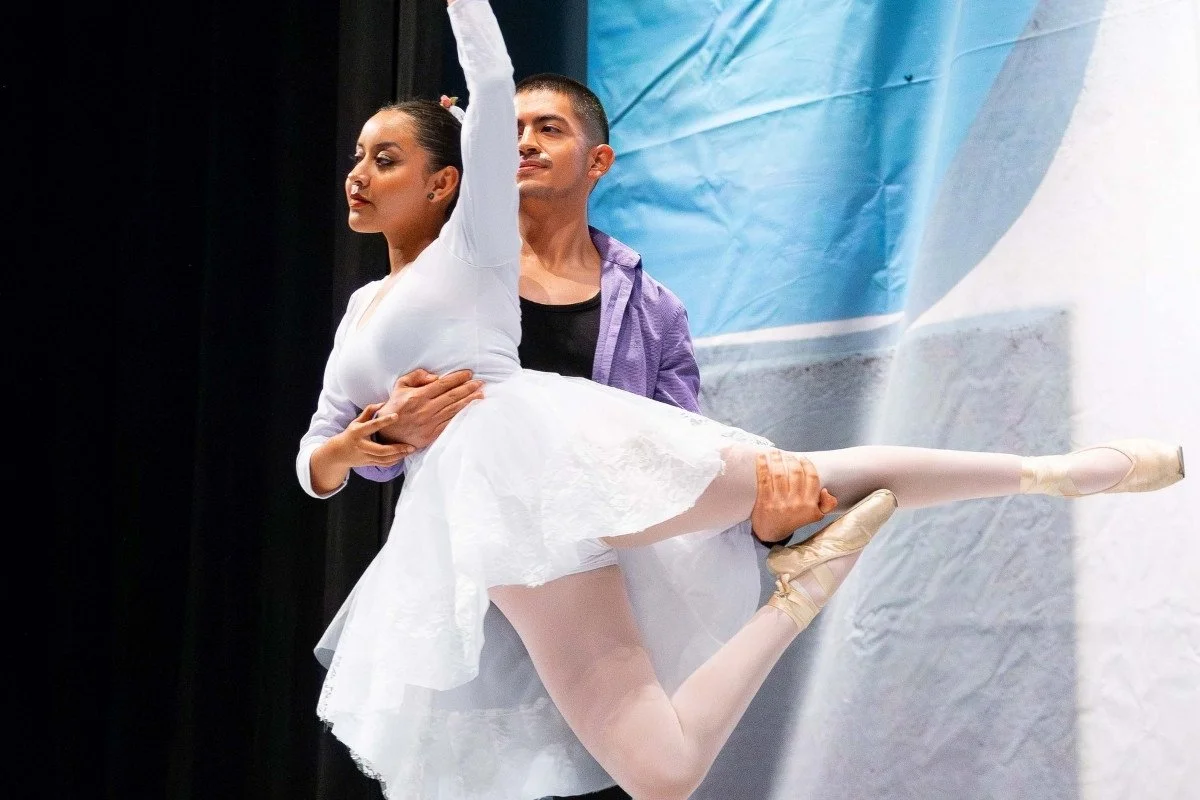
Alyssa Memmini, Ph.D., LAT, ATC on performing artists' Return-to-Stage after concussion
Alyssa Memmini, a member of Concussion Alliance’s Expert Advisory Board, recently led a team that developed a return-to-the-stage protocol for collegiate performing artists after a concussion.
Performing artists are a critically underserved population of athletes who lack clear guidance on post-concussion management strategies despite similar physical demands as sport athletes. Common mechanisms of concussion include falling from elevated surfaces, poor technique during partnering, as well as collisions with other performers, props, or apparatuses. Thus, our team first conducted a systematic review to identify current clinical management strategies to support university performing artists after concussion, which resulted in a nearly empty review. Therefore, we conducted a Delphi study (a structured way of reaching consensus among different stakeholders) to develop the first post-concussion recommendations to be implemented across a variety of performing arts disciplines. The Delphi panel consisted of university-affiliated clinicians (e.g., physicians, physical therapists, etc.), concussion researchers ranging from post-doctoral fellows to tenured faculty, academic advisors in performing arts programs, and, most importantly, performing arts alumni with history of concussion during their university training. The resultant product of the Delphi process (Progressive Return-to-Performance Protocol) follows the six-step strategy proposed by the International Concussion in Sport Group, except with specific strategies for dancers, instrumentalists, and actors to safely progress back to their performance environment after concussion. Importantly, this protocol may be used as a framework for performing arts students to collaborate with their instructors and may be modified to meet individualized needs of performers.
Diagnostics
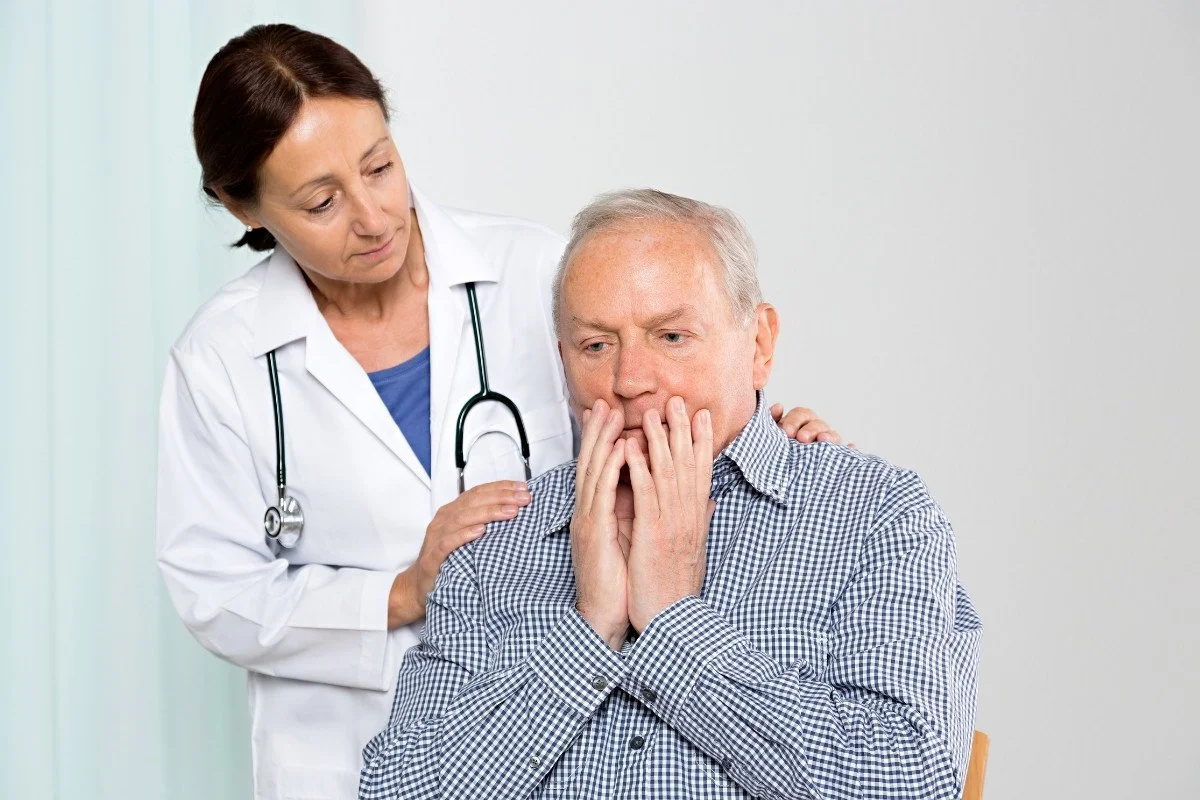
A potential mild traumatic brain injury biomarker for older adults: Glial Fibrillary Acidic Protein
Diagnosing mild traumatic brain injuries (mTBIs) in older adults can be challenging because of symptom overlap with aging-related changes and neurological conditions. However, researchers recently found that plasma glial fibrillary acidic protein (GFAP), a blood-based biomarker, can act as an objective indicator of mild traumatic brain injury in older adults. According to a study published in Jama Network Open, researchers Gershon Spitz et al. tested the diagnostic accuracy of four biomarkers: GFAP, ubiquitin C-terminal hydrolase-L1 (UCH-L1), brain-derived tau (BD-tau), and neurofilament light (NfL). Of the four, GFAP had “excellent diagnostic accuracy for mTBI,” using age- and sex- specific thresholds within 72 hours of injury. This study included 89 participants ranging from 60 to 89 years old. Based on the study results, the researchers suggest that plasma biomarkers should be integrated into the diagnostic process for head injury in older adults.
Education
Concussion education and lack of concussion history are linked with increased concussion reporting
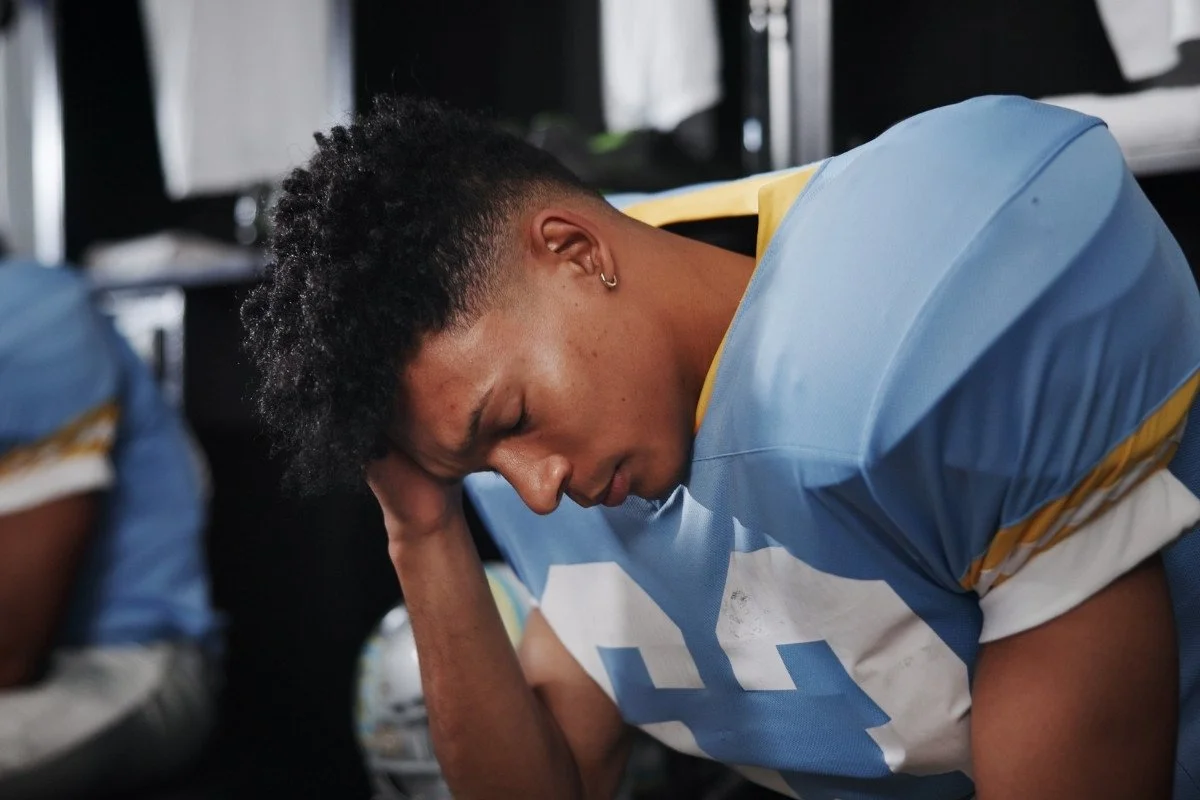
A recent study published in Neurotrauma Reports found that high school athletes who had previously completed concussion education were more likely to report a concussion than those who had not completed concussion education, and athletes with no history of concussion were more likely to report a concussion than those with a history of concussion. The study also found that athletes in men’s sports were less likely to report than those in women's sports. Concussion reporting behavior (particularly real-time reporting behavior) is difficult to study—most studies rely on past reporting or intent to report. However, in this study, researchers Niki Konstantinides et al. used a novel simulated game experience (Crash Course | Concussion Education) to study concussion reporting behavior in real time. Participants (21,213 high school athletes) watched a 12-minute, first-person video of a concussion occurring followed by a choice to either continue to play or report the concussion. Based on their findings, the authors recommend targeted education for male athletes and athletes with previous concussion history to decrease underreporting.
Tools
Summer Concussion Tools
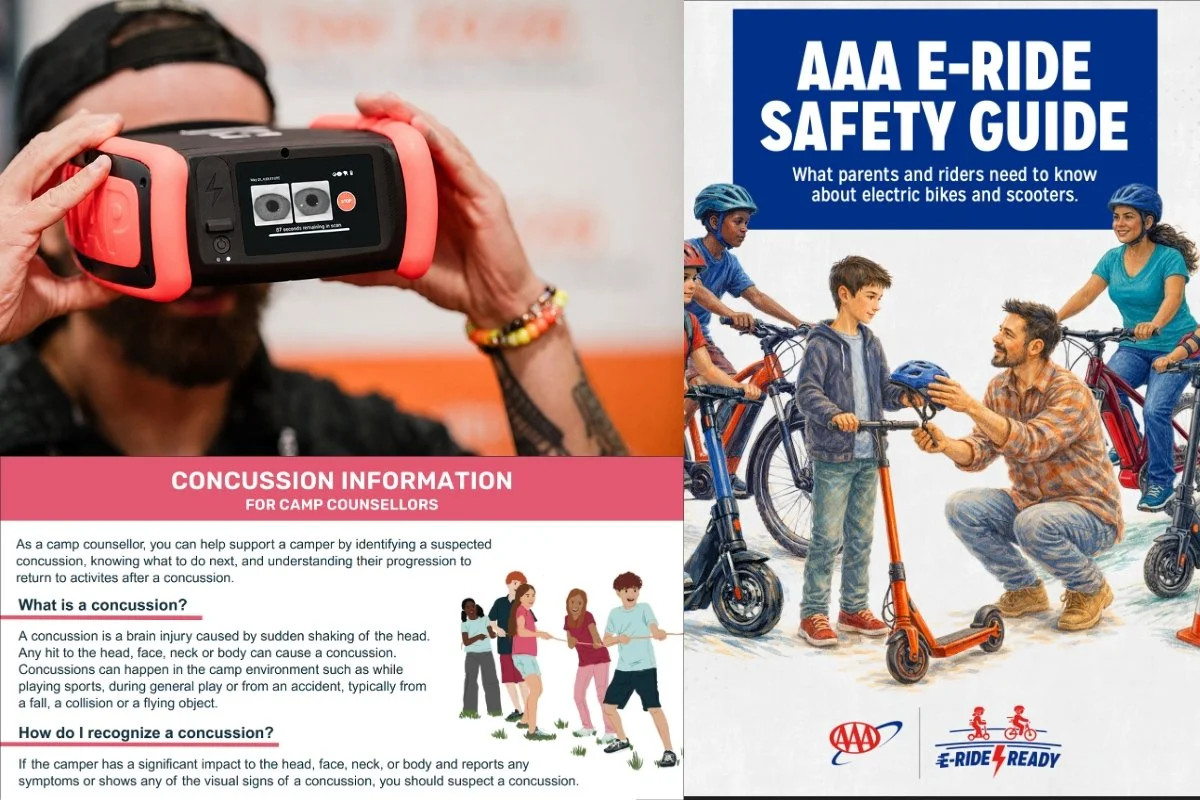
We recommend the E-Ride Safety Guide produced by AAA in May 2026. The guide is part of an initiative to address significant increases in injuries from e-ride devices; an average 23% increase in injuries per year between 2017 to 2022. An article about the initiative in AAA Connect stresses that children are particularly vulnerable because of their limited experience navigating complex traffic environments and the high speeds of these devices. The illustrated E-Ride Safety Guide primarily focuses on parents who purchase e-scooters and e-bikes for their children, as opposed to the micromobility devices availability for short-term rental on the streets of major cities. Topics in the guide include choosing a device and safety features to look for, choosing an appropriate helmet, legal considerations, warnings about deceptively marketed devices, where to ride, how to do a parent-child safety talk, and a family riding agreement.
We recommend a suite of Concussion Resources for Camp Environments produced by PedsConcussion and 360 Concussion Care. The guidelines are evidence-based and up-to-date with the latest international concussion guidelines. The PDF guides include Concussion Information for Camp Counselors; Return to Camp Protocol (for campers), and Return to Camp Work Protocol for Camp Counselors. Also included is a 16-minute recorded webinar Returning to Camp and Working at Camp After a Concussion with researchers Jennifer Dawson PhD, and Nick Reed, PhD.
A new portable device, the SNAP Concussion Test, looks like heavy-duty binoculars and is FDA-cleared as a concussion diagnosis support tool for the clinic and the sports sideline. The healthcare professional inputs the individual’s symptoms (on a scale of 0-6) into SNAP, and then the device tracks eye movements while the individual watches a 90 second video. The device pairs the inputted symptom assessment with the tracked eye movements (typically disrupted by concussion) to produce a SNAP score. This score helps the professional “determine the presence or absence of concussion,” with a 90% sensitivity and 94% specificity. SNAP was developed by Oculogica, the makers of EyeBox, and developed with Department of Defense funding. The company presented abstracts about SNAP at several conferences this spring. For example, Christina L. Master, MD, the Minds Matter Concussion Program Director, was the lead author of the SNAP abstract presented at the American Medical Society for Sports Medicine this April.
What We’re Reading
Mechanisms Underlying Hazardous Alcohol Use After Mild Traumatic Brain Injury | Alcohol Research: Current Reviews
Feasibility of Physical Therapy Evaluation Symptom Provocation Tests in Older Adults With Mild Traumatic Brain Injury: Mixed Methods Study | PubMed
Concussion pathophysiology: From biomechanical insult to clinical phenotype – or is injury truly the beginning? | ScienceDirect
Sleep Disturbances and Cognition, Behavior, and Brain Structure in Children With mTBI | JAMA Network Open
The injury farmers are most likely to ignore | Farmers Weekly
Eicosapentaenoic acid reprograms cerebrovascular metabolism and impairs repair after brain injury, with relevance to chronic traumatic encephalopathy | ScienceDirect
Related article: Fish oil can be harmful for our brain – New study reveals unusual findings | The News International
As drone warfare unfolds in Iran conflict, brain injuries take center stage | Stars and Stripes
Prior Concussions and Risk of Disability for Patients After a Motor Vehicle Crash | JAMA Network Open
Socioeconomic Disparities in Concussion Presentation | JAMA Network Open
Mapping the Interplay Between Postconcussion Symptoms and Functional Disability After Mild Traumatic Brain Injury: A Network Analysis Across Treatment Care Settings | Journal of Head Trauma Rehabilitation
Computerized Cognitive Remediation Affects White Matter Microstructure in Relation to Improved Cognitive Function in Adults with Chronic Traumatic Brain Injury | Journal of Neurotrauma
Football linked to nearly one-fifth of youth traumatic brain injuries | Healio
You Can Support Concussion Patients

Join our community of monthly donors committed to improving how concussions are prevented, managed, and treated, thereby supporting long-term brain health for all. Learn more.
You can also make an impact with a one-time gift or tax-friendly options such as Donor Advised Funds (DAFs), IRA Charitable Rollovers, and Planned Giving: leave a gift in your will. Learn more.