
Concussion and the gut-brain axis, AI chatbots (5/21/26 Newsletter)
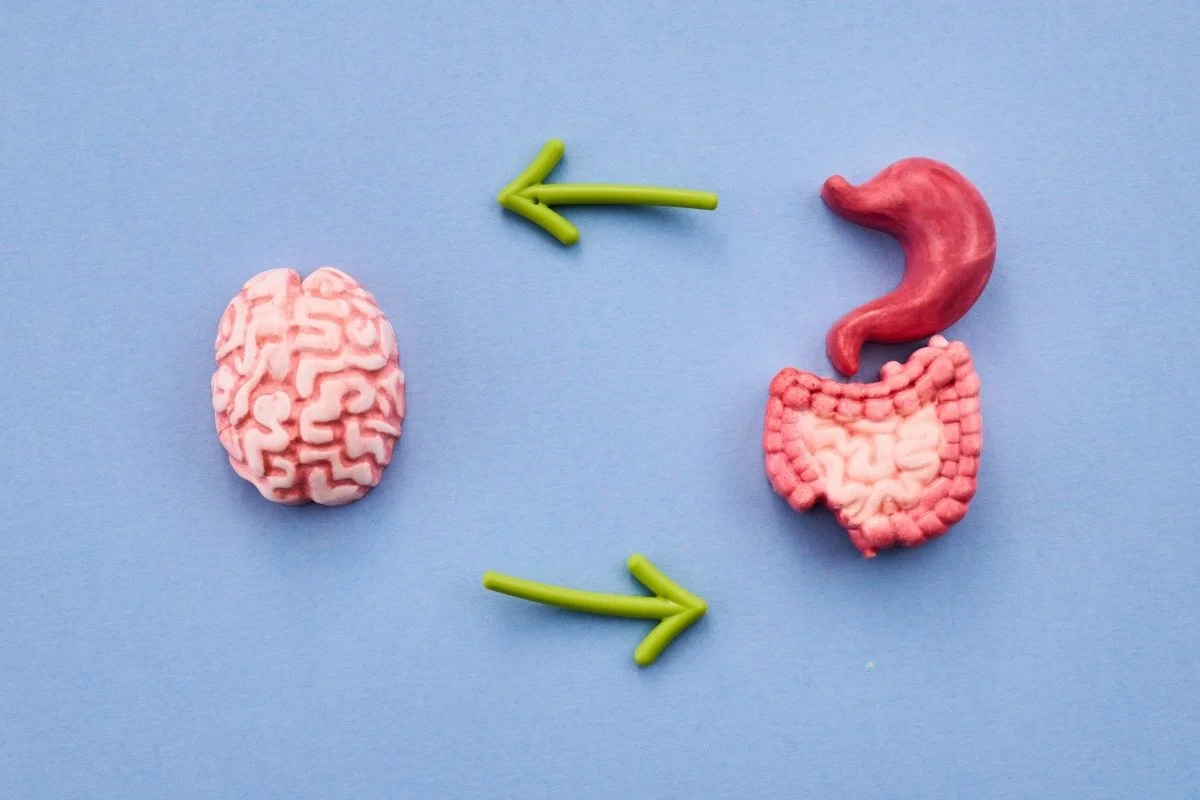
This week, our theme is the gut-brain axis. We also cover a study about AI concussion advice.
In this newsletter:
Interview with Laurel Schmidt: her use of GLP-1s to treat persisting symptoms after concussion
The silent effect of repetitive non-concussive head impacts on the gut microbiome
Writers: Malayka Gormally, Emily Sugg, and Zoe Marquis
Editors: Zoe Marquis and Malayka Gormally
Do you find the Concussion Update helpful? If so, forward this to a friend and suggest they subscribe.
Opportunities

Ongoing: Free Concussion Education Modules for healthcare professionals. Presented by leading concussion experts, these modules address topics related to assessing, diagnosing, and managing concussion patients. Hosted by COPE.
Recording: Watch the webinar, Caregiver 2 Caregiver, Supporting Families of Young Children with Brain Injury/Concussions, presented by Berenice de la Cruz, PhD, hosted by The Center for Brain Injury Research and Training.
Ongoing: Registration open for Love Your Brain Online yoga, mindfulness & education programs. These six-week programs run in April, July, and October. Participants may choose between group discussion programs and yoga and discussion programs. There are also affinity group programs for caregivers, BIPOC, athletes, and other communities.
Thursday, June 12,11am PT: A free, 30-minute session, Holding The Change: Grief and Ambiguous Loss After a Brain Injury, presented by Caren Sumption, CVA, CPC, CHW, hosted by Brain Northwest. No registration needed; Zoom link here.
May 17 - June 17: Four free online medical education sessions for healthcare providers, on diagnosing and managing concussion patients, presented by UHN ECHO TBI. Learn more and register.
Applications open: Apply for a free, 5-day in-person community retreat for people with brain injury and caregivers, hosted by Love Your Brain.
Interview with Laurel Schmidt
Using GLP-1s to treat persisting symptoms after concussion
We had quite a few readers respond to last month's newsletter synopsis about Laurel Schmidt and her experiment with GLP-1s for persisting symptoms after concussion (PSaC), as highlighted in a New York Times article by Julia Belluz. We subsequently interviewed Laurel Schmidt; our CEO, Malayka Gormally, talked with Laurel about questions and concerns our readers had, including concerns about muscle loss from GLP-1s and off-label use of GLP-1s for someone who is not obese or diabetic. Malayka found Laurel to be exceptionally thoughtful with her personal experiment and her desire to see researchers study the potential use of GLP-1s for PSaC. Laurel’s doctor prescribed Zepbound, which she found transformative, as the medication reduced her symptoms on the Post-Concussion Symptom Scale (PCSS) from the high 50s to a score of 6 (essentially asymptomatic). You can listen to the interview and read the transcript of the interview with Laurel Schmidt here.
Call to researchers: Ms. Schmidt is prepared to provide her complete medical records, full PCSS time-series data, and any additional documentation that would support a formal case study of GLP-1s for PSaC. She has not previously undergone neuroimaging of her injury but is willing and eager to participate in any additional assessments — including bloodwork or brain scans — that researchers believe would be scientifically valuable. You can reach Laurel at LaurelSchmidt.org and laurel@laurelschmidt.org
Self-Care
Do AI Chatbots give good concussion advice?

Are AI chatbots ready to be used for concussion advice? Based on a recent study published in Scientific Reports, not really. In this study, researchers Hefang Huang et al. assessed five AI chatbots: ChatGPT, Copilot, DeepSeek, Gemini, and Perplexity. They found that the chatbots’ responses to common concussion-related questions were difficult to understand, lacked clear source attribution, and achieved only moderate content quality. For chatbots’ advice to be usable, the researchers assert that AI models need to incorporate “rigorous human-in-the-loop verification” and prioritize using simpler language.
The researchers used standard measures of content quality, transparency, and readability to assess the chatbots. They found that all five chatbots’ responses lacked readability and transparency, while content quality varied across models. Readability scores for all models exceeded the sixth-grade reading level (a commonly accepted benchmark in health-literacy research), and transparency scores ranged from 0 to 1 on a scale of zero to four. For content quality, Perplexity and Copilot performed better than ChatGPT and Gemini, while DeepSeek fell between the two groups.
The researchers suggest that these differences in content quality may be due to the models’ architectures. Perplexity and Copilot are Retrieval-Augmented Generation (RAG) models, which means they are connected to the web and can actively access recent information. The other models are pre-trained Large Language Models (LLMs), which means they cannot access new information in the same way. Thus, the authors note, RAG models may have advantages over LLMs in some aspects of content quality.
To assess the chatbots, the researchers selected 11 questions from the top 25 concussion-related queries based on Google Trends data between 2020 and 2025. Chatbot responses were independently assessed by two board-certified neurosurgeons, with disagreements being settled through consensus meetings and remaining discrepancies decided by a third senior expert. The researchers note several limitations to their study, including the fact that the standardized measures used to determine content quality and readability do not directly measure patients’ understanding or response, and the fact that they did not include a comparison with traditional patient education resources. They recommend that “future research… evaluate diverse, conversational patient queries to confirm the generalizability of these findings.”
Sports
The silent effect of repetitive non-concussive head impacts on the gut microbiome
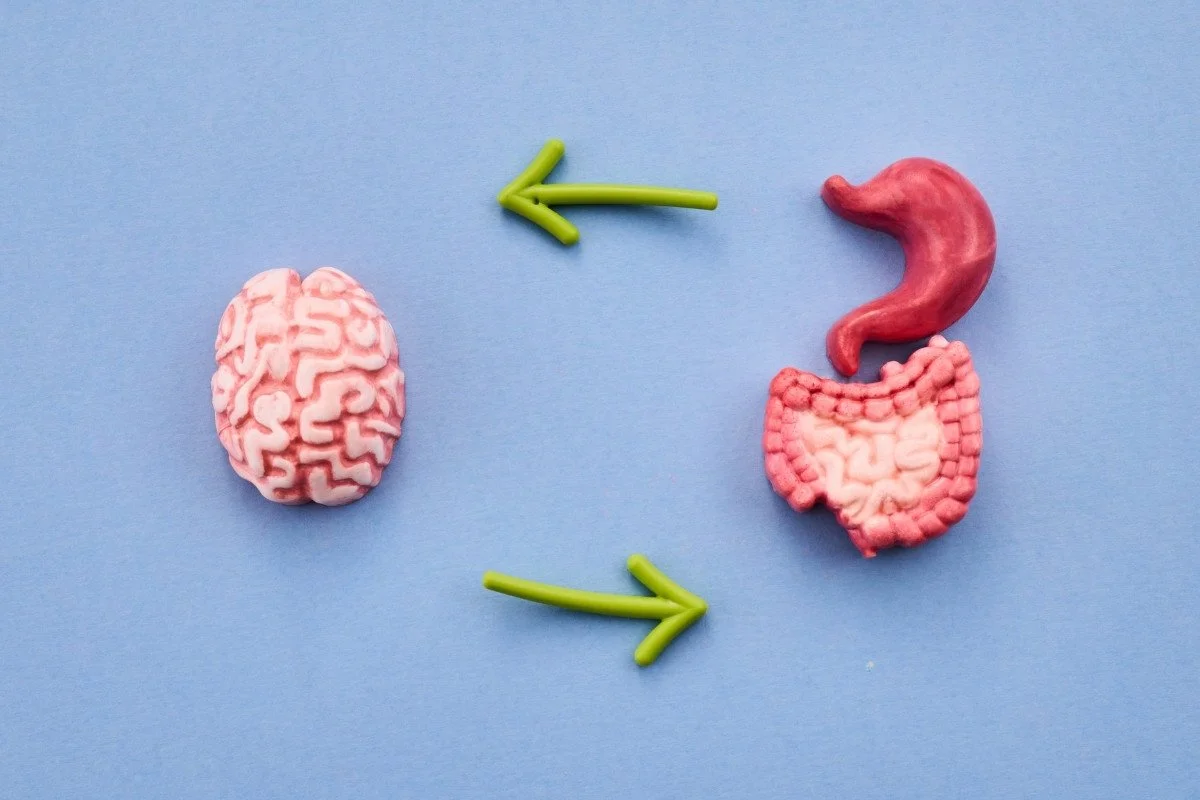
A recent research study by Pelland and colleagues published in PLOS One provided the first evidence linking non-concussive head impacts (NHIs) to inflammatory changes in the gut microbiome in collegiate football players. NHIs are hits to the head that do not cause clinically detectable symptoms of a mild traumatic brain injury. Collegiate football players can experience 100 to 1,000 NHIs per season. The microbiome, a collection of microorganisms that populate the intestinal tract in the gut, can influence many aspects of physical and mental health. While previous research has shown that the gut microbiome can be disrupted and altered by TBIs, this is the first study to look at the microbiome and NHIs. In this study, the researchers monitored NHIs, gut microbiome composition, and additional factors in six NCAA Division I collegiate football players. They found significant unhealthy shifts in the diversity and composition of the gut’s microbiome just 3 days after a NHI, as well as cumulatively across the season.
Pelland et al. found that just within 48-72 hours after a NHI is recorded, there is a shift towards a more inflammatory biome: surges of Ruminococcus and Verrucomicrobiales as well as fewer protective, anti-inflammatory bacteria (such as Coriobacteriales, Prevotellaceae, and Prevotella) were identified. Additionally, they found that NHIs caused changes in abundance of five microbial types that have been “previously identified as differentially abundant after a TBI or in patients with neurological disorders.” These changes in microbial composition were identified “across portions of an American football season, even in the absence of diagnosed mTBIs.”
The study started with 19 collegiate football players; 13 were ultimately excluded due to missing data, leaving six remaining study participants. A range of data was collected from the athletes across the season, including a background survey at the beginning and the end of the season. Their head impact data was collected using a Ridell, a smart football helmet that records and analyzes impacts and force of head acceleration events. Players were monitored during every training session and game with a portable GPS unit that calculated their velocity, distance, and acceleration. The researchers also analyzed fecal samples from the athletes. Fecal sample monitoring is one way to identify the microbial diversity and composition in the gut. Pelland et al. analyzed the fecal samples using the Bray-Curtis Dissimilarity scale, which can identify specific differences in microbial composition between multiple samples from the same player. Fecal samples were collected throughout the season to assess microbiome differences from preseason to postseason. In addition, each time a player provided a fecal sample, the researchers assessed the players for clinical factors including stress levels, sleep quantity and quality, illness, and drug and medication use, and orthopedic injury.
Overall, this study provides evidence that NHIs, even after 3 days, can affect the microbiome in the gut. More specifically, in contact sports, these head impacts can create a “snowball effect” on an athlete's gut health. The more hits over the season, the further the gut microbiome moves away from its healthy baseline during the preseason. The authors note that “NHIs may nudge the gut microbiome towards an inflammation-promoting state that could contribute to longer-term neurological consequences.” These findings emphasize the importance of careful monitoring during contact sports. Even if the head impact does not meet the clinical threshold for mild traumatic brain injury, it can still cause physiological changes.
Interview with Alex Smith, former NFL star quarterback
Concussions, the threat to football, and a potential concussion medication
We were honored to interview Alex Smith, former NFL star quarterback, about his experience with concussions, from a ski-related concussion at age 10, to losing his quarterback job to Colin Kaepernick after being sidelined by a concussion during the San Francisco 49ers’ 2012 season. You can listen to the interview with Alex Smith and read the transcript here. The interview covered Alex’s concerns that concussions are the “biggest existential threat to American football,” and how the NFL addresses concussions, plus how Alex thinks about concussions and football now that he has two sons. Alex is on the Board of Directors of Oxeia Biopharmaceuticals, which is planning a phase 2b clinical trial of their medication for persistent post-concussion symptoms. OXE103 is a synthetic form of the hormone ghrelin, primarily produced in the gut, which freely crosses the blood-brain barrier. In their phase 2a study, patients treated with OXE103 had improved symptom and quality-of-life scores (using the Post-Concussion Symptoms Score and the Quality of Life after Brain Injury scales) compared to those receiving standard therapy.
Tom Walters, Concussion Alliance Board Treasurer, brought his experience as a Division 1 collegiate football player to the interview, asking Alex about the earlier “shake-it-off” culture, concussions in youth sports, and non-sports-related concussions, and choices in front of Alex as a father concerning his sons playing football. Malayka Gormally, Concussion Alliance CEO, talked with Alex about the merits of rehabilitative therapies in comparison to Oxeia’s potential medication for persistent post-concussion symptoms, OXE103. Oxeia is fundraising for a phase 2b clinical trial of OXE103, with the aim of “targeting the underlying metabolic disruption and brain injury that follow concussion. In preclinical studies, OXE103 restored normal energy metabolism and reduced oxidative damage associated with brain injury.”
What We’re Reading
Blood-brain barrier disruption, traumatic encephalopathy, and cognitive decline in retired athletes | Science Translational Medicine
Related article: Brain’s protective barrier stays leaky for years after playing contact sports | Nature
Temporal visual processing deficits in post concussion syndrome | Scientific Reports
Harnessing gut microbiota for brain health: protective role of Hungatella hathewayi for post-mTBI cognitive impairment | NPJ Biofilms and Microbiomes
Retrospective post-hoc subgroup analysis of adjunctive non-invasive vagus nerve stimulation in chronic mTBI with comorbid PTSD | Frontiers in Neuroscience
1 in 4 Kids Who Have a Concussion Will Have Prolonged Symptoms—What Parents Need To Know | Parents
Related study: Rethinking “Mild” Concussion in Early Childhood | Pediatrics
Frequency and Predictors of Persisting Symptoms 1 Year After Early Childhood Concussion | Pediatrics
You Can Support Concussion Patients

Join our community of monthly donors committed to improving how concussions are prevented, managed, and treated, thereby supporting long-term brain health for all. Learn more.
You can also make an impact with a one-time gift or tax-friendly options such as Donor Advised Funds (DAFs), IRA Charitable Rollovers, and Planned Giving: leave a gift in your will. Learn more.