Alex Smith, former NFL star quarterback: Concussions, the threat to football, and a potential concussion medication
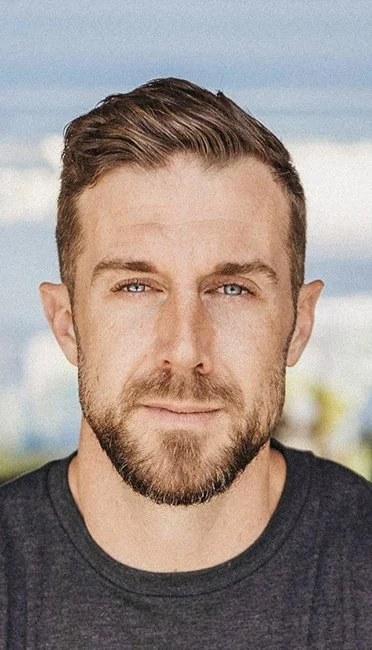
Alex Smith, NFL quarterback for 16 seasons. Alex led the 49ers to their first division title and playoff win since 2002 and their first NFC Championship Game appearance since 1997. Smith also received three Pro Bowl selections. (Wikipedia)
Former NFL star quarterback Alex Smith spoke with Concussion Alliance Board Treasurer Tom Walters and Co-founder and CEO Malayka Gormally in late April 2026. Alex talked about his experiences with concussions, how they impacted his NFL career, and his thoughts as a father in terms of contact sports.
Alex is on the board of Oxeia Biopharmaceuticals and discussed Oxeia’s development of a medication, OXE103, to treat persistent post-concussion symptoms; Oxeia is promoting its fundraising to launch a phase 2b clinical trial. OXE103 is a synthetic form of the hormone ghrelin, primarily produced in the gut, which freely crosses the blood-brain barrier. In their phase 2a study, patients treated with OXE103 had improved symptom and quality-of-life scores (using the Post-Concussion Symptoms Score and the Quality of Life after Brain Injury scales) compared to those receiving standard therapy.
Concussion Alliance’s Tom Walters is a Vice President of Finance at Nordstrom, Inc, and was a four-year starter and Captain for his Division 1 football program at the College of William & Mary. Malayka Gormally co-founded Concussion Alliance after becoming a knowledgeable and passionate patient advocate for her adult-child Conor, who developed persisting symptoms after a fourth concussion.
In 2020, Concussion Alliance interviewed Oxeia CEO Michael Wyand and Co-Founder and Chief Scientific Officer Dr. Vishal Bansal.
Tom Walters:
For our first segment, we will talk about your personal journey a little bit. For the second segment, we’ll talk about concussion awareness and some of the gaps we see there broadly. In the third segment, we’ll talk about your relationship with Oxeia and what drew you to them. And then the last segment, we’ll talk about the road ahead and any other final thoughts.
Alex Smith:
Sounds great. Yep.
Alex’s first experiences with concussions
Tom Walters:
All right. So I guess we'll start off with the personal experience. 16 seasons in the NFL, obviously college, and high school before that. Do you remember your first concussion?
Alex Smith:
Yeah. Yep. Very well. My first concussion, actually, which was by far my worst concussion. I was 10 years old, and I was not playing football. I didn't play football until high school. Even though I grew up in a very big football family, my dad, who was an educator, he was a high school principal at the time, and he played college football. He just thought it was best to hold off and that high school was a better age to start. And so I grew up playing baseball, soccer, basketball, and all kinds of sports and had never experienced a concussion until, again, I was 10 years old.
And I also grew up in a very big skiing family. So we had taken a spring skiing trip to Park City. I was 10 years old. I stopped on the side in the middle of the run, as you do with your family, and you meet up halfway down. And an adolescent skier was out of control and plowed into me. And I don't remember anything. I remember skiing. And like you said, Tom, all of a sudden, you wake up some amount of time later, and ski patrol was there. They're asking me questions about what I'd have for breakfast. And that was my introduction, obviously, to a concussion.
Diagnosed with a concussion, obviously through the ski school and the doctor on site. But then again, yeah, obviously, no medicine, nothing back then. This was obviously the early '90s, and nothing to do. Never had thankfully recurring symptoms.
Alex’s college and NFL concussions
And then fast-forward, I played four years of high school. I played three years of college and then played 16 years in the NFL. So nearly 25 years of football. And had one concussion in college and had two, what I would call minor ... Not minor, but more mild concussions in the NFL. So certainly something that I ... Very close to home for me. It is the unspoken thing amongst football players. Let's just cut to the chase.
You very much know about the orthopedic risk, I should say, that comes with football, broken bones, and sprained ankles. Certainly, I know that well, as well. Severe broken bone at the end of my career that I had to come back from. And oftentimes, there's been quite a bit of medical advancement in that area. Certainly, I am a walking example of that. That they were able to keep my leg, given the infection that I had really a sign of modern medicine and what they did from an orthopedic standpoint.
But certainly, in the background with concussions, there's nothing. There is nothing. It is a giant nothing. There's no test to even tell you if you definitively have one. This is all symptom-based. You got doctors asking you a thousand questions, trying to get you ... How do you feel? This, that, this. And again, no definitive way to even tell you if you have a concussion.
Funny story, real quick. My last concussion in my NFL career was when I was playing for Kansas City, and we were playing the Colts. And again, a milder concussion, certainly compared to when I was younger, skiing. But very much probably in the spectrum of the concussion. And I come off to the sideline, and certainly our doctors administer these tests on the sideline. The preliminary screening is like very basic questions. What time is it? Do you know where you are? Again, what'd you have for breakfast? Just to see if you're even aware of your surroundings. That one, I did go back into the locker room and had a more significant test again with our doctor. And this is with a neuro doc at the time. And I passed all these tests. You have to remember a series of words. This was a lengthier screening, about 15 minutes long, in the locker room. And I remember passing that. And again, that's the problem. There's no scan you can take to tell you if you have a concussion.
I think that's a big problem. And then from there, no treatment. There's just nothing. Rest and wait. It's the same recommendation that the doctors have been giving out for over a hundred years when it comes to concussions: rest and wait. And so again, I think obviously as we've learned a little more about CTE and obviously the potential long-term damage of concussive hits, subconcussive hits. Again, this is obviously on the minds of almost all football players. There's certainly been some advancements, certainly to the NFL's credit. They've changed rules. The kickoff play, the most dangerous play in football, got eliminated essentially, and then altered. We've seen helmets get better and better. Certainly, position-specific helmets, like linemen who are dealing with more of these subconcussive hits, have special helmets for that, depending on the position you play. But there have just not been any advancements in medicine. Just nothing. And again, I think a lot of that, because conducting research in this field, when it is so subjective. Again, there's not even a test to tell you if you have one. So if we're testing medicine on this, how can we tell that it's worked? These are very subjective things. And again, that's one of the many reasons that we just have not seen any advancement in this field.
Alex’s concussions in the NFL
And so yeah, I love football. Football, I think, is the greatest team sport on the planet. It has changed my life. But again, I think this is the biggest existential threat to American football. I think that's just putting it all out there. And again, it is something that I think players are aware of and they think about. I think parents are aware of. When you look at youth football numbers, they're down from a participation standpoint. When you look at high school football numbers, they're down from a participation standpoint. So yeah, this is, I think, the big thing hanging over this amazing game.
Malayka Gormally:
Tom, before you go to the next question, I just wanted to clarify ... So that concussion that you got, the most recent one, was that in 2017?
Alex Smith:
Yeah. Yeah, around there. I'd have to look up the actual year.
Malayka Gormally:
Because if they're doing their job now in 2026, they're not telling players to rest until symptoms resolve. Since 2017, the guidelines, like the Consensus Statement on Concussion in Sport, are very much about active rehab. So hopefully they're doing their job.
Alex Smith:
Yeah. I agree. However, you don't get to the next level of the protocol until you pass the first one. So if you come in the next day ... Let's say someone gets diagnosed with a concussion on game day. Again, you are going to go home. You are told to take it easy. Obviously, hopefully get a good night's sleep, hopefully eat well. If you come in the next day and still have symptoms, you don't get to progress to the active level. Does that make sense? So you don't get to go push your cardio, you don't get to go get on a stationary bike. And then again, there's this waterfall, these dominoes, I would say, and you don't get to jump to the next one until you pass the first. And so if you are symptomatic, you are going to stay in that first zone, which is again, until you've had a good night's sleep, until you've been eating well, and you can come in and you are asymptomatic, you don't get to go do exercise and be active. Certainly, they will administer the baseline test. Again, the one that came out of the University of Pittsburgh that every player has to take. And so you will do that. And so there's some level of mental agility, but from a physical activity, again, until that first part is symptom-free, you don't get to progress to the next one.
Malayka Gormally:
The American Congress on Rehabilitation Medicine does state that symptoms can develop within 72 hours. So that would make sense. If you passed immediately, right? But then you had symptoms later.
Alex Smith:
No. I did not have symptoms later on this one. No, no, no, not at all. No.
Malayka Gormally:
Oh, okay.
Alex Smith:
I was symptom-free. Yeah. I came in the next day, felt good. I took my baseline test again, the impact test, and I passed that. So then I was ... Again, you go to the next step, where I get to go do physical activity. I get to do 30 minutes of cardio, again, whether it's an elliptical, a bike, or something. Again, you have to progress after that to still be symptom-free. Then I get to go practice, and that's non-contact practice at that point. I get to go do that the next day. If I come back in, I'm still symptom-free ... And obviously, the last hurdle is you have to prove again that you can take physical contact before they'll let you back out on the field. So again, there are these domino effects. And if symptoms pop up at any point, then you obviously go back to step one. I didn't have any symptoms at that time. I did not play the following week, though. I did very much want to, but Andy Reid, being the man he is, stepped in and obviously decided to go with caution and did not play me the following week, and then I returned two weeks later.
How is the NFL addressing concussions?
Tom Walters:
The thing that's interesting about even the discussion that you and Malayka were just getting back and forth, is that one would think the NFL is going to be on the cutting edge of how do we support this? It is a crisis. I think everybody would recognize that, and it's something that needs to be addressed. And there's all this work that goes into understanding it at the NFL and other professional organizations, not just the NFL, of course. The thing that I've been exposed to since I joined Concussion Alliance, though, is that it's almost like you think of what about everybody else? Even in college sports, I went to the College of William and Mary. We had ... I'm sure it wasn't the same caliber staff at Utah, but we had a staff that took care of us and would look out for us and stuff. What has shocked me is that the stories that I've been connected to with the people who didn't have those connections. So are there things that you've seen in the NFL that you think, oh, we could apply that and have broader-based application? Interested in your thoughts there.
Alex Smith:
I very much think the NFL ... The NFL is obviously very aware of this problem. And I actually think that the protocols that are in place today are so much better and harder to get through and err on the cautious side compared to even at the beginning of my career, which again, we're just in the last 20 years, things have changed dramatically. I should say a big step that was forgotten in this is that you do have to go see an independent neurologist again. You do have to get cleared by an independent neurologist who doesn't work for the team. And that's across the NFL, which I think is very cool. Obviously, when you're seeing a third-party doctor, it's nice from a player perspective just to get an outside opinion. And so again, all these steps that I mentioned, and as you work towards getting clearance, and again, if you are symptom-free and you move along, it takes almost the entire week to get cleared. You're not getting cleared in a couple of days. That's just not how this happens. And again, the NFL has put these protocols in place because we do know return to play, how important this is, especially in a contact sport.
I think that has carry over to everybody. Again, I know we're talking football here when it comes to concussion and TBI, and it's obviously the poster child of it, but make no mistake, there are tons of sports that cause injury, and how about just life? Falling down, obviously, and every time you get into a car. And then, from a youth sport perspective, there are a number of other sports that are right there with football when it comes to concussion rates. So I think a lot of these do ... I think again, these protocols err on the cautious side. How do we return to activity? What does that look like?
I do think to the NFL's credit that they have made a lot of changes and have been pretty agile. Again, even over half of my career, a lot of this has changed. Again, I do go back to ... Well, there are no approved treatments. There is no approved therapy for a concussion. And we can talk about supplementation. We can talk about things that may help that are probably good for everybody to be on, whether or not you've had a concussion or not, but there are no approved therapies for a concussion. And I think that's a problem. I think that's why we're all here talking about this, the lack of that. And why is that?
Concussions and the broader culture, youth sports
Tom Walters:
One of the things that I discovered ...I'm quite a bit older than you, and I know that I grew up in a culture of shake it off, suck it up.
Alex Smith:
Totally.
Tom Walters:
Let's move on. I'm sure you experienced that.
Alex Smith:
Yeah. I got my bell rung.
Tom Walters:
It's out there. Yeah. Yeah. It's the world we've lived in, the past. I guess the question I have is, how do we get past that? How do we broadly, as a society, get past that? What do you think some of the keys are?
Alex Smith:
I think that is happening right now. I think parents are very aware. Again, I've talked about the youth numbers from a participation standpoint for American football, and they're down. And I think this is because we are starting to learn about these things and the consequences. We obviously still don't know very much. Let's be honest about it. But I think, again, concussions and TBI obviously have been a part of human history forever. Again, it's just a part of living life. You live long enough, you're probably going to have a concussion from some reason or another, from just living life. And most of the time, most of the time you heal. Again, unfortunately, there is a population that has prolonged symptoms, and there's an even bigger box of unknown. Again, when we talk about no approved treatments for concussion, that population that has prolonged symptoms from TBI and concussion ... And again, you want to talk about nothing. It's tough. It's very tough. And again, right now, it's sit and wait.
I think, again, that's a big part of why we're here as well. I do go back to what it's like when you do have one of the ... If you do, again, deal with head trauma, it is so tough because it is so symptomatic, and that's the only thing we have to rely on. I know I'm not great at this, but it's like you come in the next day and "How do you feel and how did you sleep last night?" And then, "Okay. I take the impact test." "Okay. Well, how do you feel now after I took that 45-minute test on a computer?" And then the next day, I get to go do some cardio and be active. And it's like, "Well, how do you feel now?" It's just a lot, and you're trying to be self-aware, and any little thing that maybe feels off, you read into and like, "Oh God, is that because of the hit? Was that because of the concussion?" It's really gray. There aren’t a lot of definitive answers in there. And again, as honest as you're trying to be and as you move on and be honest with yourself and obviously with the doctors on how you're feeling, but you're trying to self-analyze.
And again, through the course of a day, a lot of things come up for us in a normal course of the day that we may not feel perfect. And again, all of a sudden, when those creep up, and then is it because of this? And again, it's really hard. It creates a lot of anxiety. I think for the patient that's going through it, again, because of the unknowns, and again, you're the one steering it so much because it is based on your answers.
How we word things with the word choice may change what happens next. And that's just obviously tough until there's a definitive test for one.
Rehabilitative therapies for persisting symptoms
Malayka Gormally:
I wanted to interject that there are rehabilitative treatments for symptoms. If you have vision issues, vision therapy; vestibular issues, dizziness; vestibular therapy. They're not specifically treatments to fix what happened in the brain, which is, I think, when you're talking about; there is no pill to fix, or device that can fix what happened in the brain. However, you can do a lot and help people a lot with symptoms, just to clarify.
Alex Smith:
Okay. I very much want to be careful there. I agree there are some things that if you're having ocular problems from your concussion, and maybe there are some exercises and things that you can do that may help, but it is symptom-based treatment. And again, we can talk about a lot of supplementation that people should be on. "Hey, take your fish oils. Hey, you should be on creatine. Hey, go get in a hyperbaric chamber." There are all these things out there. There is no scientific ... You know what I'm saying? That it's going to help specifically for a concussion, and help you heal, and help your brain heal. And again, I just think that's a problem. And again, I know I'm here, and I'm talking about football. When you look at the broader population that deals with concussions, this is something that affects millions of people every single year.
Tom Walters:
It does.
Alex Smith:
And almost all of them are not football players. Let's be honest. And so again, I just think the lack of advancement in that department is frustrating.
Non-sports-related concussions
Tom Walters:
It's been interesting, your point about non-football and non-sports really. It's been my exposure over the last couple of years, and with Concussion Alliance specifically, and the connectivity with some of the folks that we've been in touch with. Honestly, there's not been a football person in the mix. I think there was one swimmer ... We had kids that ... We'd provide an internship for them, and they'd help us write articles to put on the website. Most of them were in a medical pathway in college, that kind of thing, and we got to know a lot of them. And a lot of them were interested because of their personal experiences. And again, not a football player in the bunch. So I think it's a really good point. And it's one that makes our organization, which is focused on public awareness and public education, such an important aspect because again, it was 30 years ago, but when it happened to me, there wasn't anything out there. It was, "Hey, let him go to sleep, wake him up every hour on the hour."
Oxeia Biopharmaceuticals: concussion medication
A short explanation of the medication Oxeia is developing
Oxeia is developing OXE103, which “is a form of human ghrelin, a naturally occurring hormone that freely crosses the blood-brain barrier. It is being developed to treat persistent post-concussion symptoms by targeting the underlying metabolic disruption and brain injury that follow concussion. In preclinical studies, OXE103 restored normal energy metabolism and reduced oxidative damage associated with brain injury.”
Ghrelin, aka “the hunger hormone,” is produced in the stomach to let your brain know that you are hungry. Ghrelin also stimulates your pituitary gland to release growth hormone, and plays a role in “protecting cardiovascular health, learning and memory,” and more. Your brain also releases small amounts of ghrelin.
Tom Walters:
Let's talk about Oxeia a little bit. Talk to me about, or describe a bit what drew you to the company, what are you excited about, that thing. Interested in your thoughts there.
Alex Smith:
Yeah, I got introduced to Oxeia when I was still playing. I think I was in Kansas City at the time. And I'd had a connection to the founding doctor who did a lot of the preliminary research on Oxeia. Vishal Bansal is his name. And some of the early data that was coming from the animal studies that he was doing at UCSD on concussion. And again, this is for a therapy, an investigational therapy, treating concussions. And a lot of it looked very, very promising at that time. And so again, I had an opportunity to get involved, not only from an advocacy standpoint, but also from an investment standpoint. So the first thing I did, actually, was put money in the company at that point. Obviously, I established a relationship. Again, at this point, I'm a starting quarterback in the NFL, and as the company obviously was moving along, again, the hurdles and steps it takes to obviously do research in this country, it's tough, and there are a lot of reasons that that's the way it should be.
But then I got asked to obviously be on the board and jumped at it. Again, just because of the giant void and vacuum that is concussion research, approved medicines, and therapies. And so I've been doing that since. And so, really excited, really excited. And obviously, things have progressed. Because I've been on the board, I had a front row seat to this as we've moved to small human studies, like phase 2A studies, and have seen the results in a patient population that is dealing with prolonged symptoms. These are people who have had symptoms for a month plus, serious symptoms, and to see an 85% responder rate that improved, versus a 33% who are dealing with standard of care. It was even more encouraging. And so obviously now, as we gear up for our big phase 2b study, there are 160 people, double-blinded, big study, real data, and again, a chance to potentially do something that nobody's done. And so excited about that. Really, really excited about that.
I think the cooler part too, again, because this affects so many people, this fundraising isn't something that's ... You don't have to be a venture capitalist to participate if this is something that interests you. We are doing our fundraising through StartEngine. So anybody out there that's curious and wants to take a look into the company, and what we're doing, they can participate alongside, which is, I think, very, very unique.
Tom Walters:
Yeah. That is unique.
Malayka Gormally:
Can I ask you just a follow-up on that, Alex?
Alex Smith:
Yes.
Malayka Gormally:
Just where does Oxeia sit? I know there are some pharmaceutical companies that are doing animal studies on other types of medications. Is Oxeia the only one in the human study phase? Do you know?
Alex Smith:
It would be hard for me to answer that. Okay. To my knowledge right now, if we're not the only ones, there are only a few that are where we're at at this point. And so it's very, very cool, very promising. It's a peptide that we naturally produce. And obviously, just like obviously peptides have done a lot. We've seen with GLP-1s and others, and this is similar. I don't want to dive into the deep science because that's certainly not my expertise, but obviously, something that I think has shown efficacy in being safe. And again, a chance here on a bigger scale to see if it can do it. And I think that's what we all want to know, which is obviously just to find answers. And so I think on the doorstep of that, which is exciting.
Tom Walters:
That is exciting. You mentioned the word or a phrase, not just an advocate, but an investor. So, as an advocate, going back to that side of it, is this your involvement with the company, obviously your background, do you think of yourself as an advocate, and are the things that you want to accomplish as an advocate of concussion, concussion safety, concussion education?
Alex Smith:
I do. Unfortunately, at this point, I'm an advocate for multiple injuries. But yeah, I had a very public concussion in San Francisco that cost me my job. Colin Kaepernick came in and went on a roll at that point. I was leading the NFL in quarterback rating and playing great. We had gone to the NFC Championship game the year before and were on the doorstep of the Super Bowl. And so yeah, again, as a football player also that played a long time and has dealt with these things, worried about these things, I absolutely ... As much as anybody can be an advocate, again, because there are such limited answers, but certainly is something that I think, again, millions of people that aren't football players deal with.
And I think oftentimes you can feel alone when you are going through these things. I think the unknown creates anxiety for everybody when you're dealing with this stuff, whether you or a loved one. I'm a parent of three. I can't tell you how many of my kids' friends' parents come up to me. I don't care what they were doing. It was on the playground, they were playing dodgeball, they were playing lacrosse, and bam, concussion, and what can we do? And again, certainly some of them know that I'm on this board. And again, what can we do? What are these things out there? And right now, there are these fringe things that may help symptoms here and there, but a lot of them we don't definitively know.
Again, they don't definitively treat the problem, the injury. And so yeah. Again, hopefully trying to be part of the solution. And that's what we're doing at Oxeia, again, just trying to move the needle. And we have this one moving forward, and obviously, progress it to the next step, see if it makes it.
Rehab therapies compared to a potential medication
Tom Walters:
That's great. It's interesting because in my role on the board and working with Malayka and our other board members, I never really thought of myself as an advocate either, but you wake up and you, okay, you're here, you're believing in this. Part of your pathway is the advocate through Oxeia, and what they can do. And our pathway is how do we connect our website and our information or our knowledge to as many people out there as we can, which is an important ... That's what we spend our time and energy talking about and trying to move forward.
The road ahead. So we think about concussions and treatments and knowledge and understanding more and more about it, and how do we get the word out? How do we share what we know today and what's on the horizon? We just talked about advocacy, and I'm not here to sign you up for anything as a former professional athlete, but do you think there's a role for those with a voice that can be heard to play in support of this?
Alex Smith:
Yeah. And I think even more so ... And again, I do want to go back to what Malayka was talking about. In a space that is so devoid of answers, I think it is even more valuable. The things that are out there, the nuggets ... And again, I do call them these fringe things, but the problem with them is they're hard for an entire population to go and access. Are you going to go in and see an ocular expert and get therapy? Do you have the money to go get into a hyperbaric chamber? Can you buy some of these supplements that may or may not help with what you're dealing with? But certainly offering something as anything, again, in a space where people are searching for answers, and you go to a doctor who you expect to be the expert in these things, you go see a neurologist. And again, there are such limited answers there depending on who you go see. You may go see a neurologist, and the reality is they may tell you to rest, and we'll wait and see.
Malayka Gormally:
If I could follow up on that. Yeah, you're absolutely right. So if you have the wherewithal to get yourself to a provider, if you have healthcare, if you live in a big city, you have more access to rehabilitative treatments. Or you may end up going to a provider, say a neurologist, who doesn't know the latest recommendations. Ideally, the neurologist goes, "Hey, you've got dizziness issues. You need to go see a vestibular therapist." Is he going to say that? Is she going to say that? Maybe not. And then there are all the people who don't have access to healthcare. How can we help them? That's one reason we have a big self-care section on our website. What can you do yourself to reduce your risk of persisting symptoms after a concussion? But I think what you’re talking about, in part, are care disparities. Even if we have these rehab options that are evidence-based and recommended by the sixth consensus on concussion and sport, which is produced by an international scientific organization, even if we have those options, how many people can access them?
Alex Smith:
For sure.
Malayka Gormally:
Or even if they have insurance, how many of their primary care providers will refer them to rehabilitative therapies?
Tom Walters:
Yeah. I think that's a fair point. I also think that's in a big way, that's what we're trying to do with Concussion Alliance. We're trying to get to the lowest common denominator and then work our way up from there. So how do we spread the word at the grassroots level and then continue to evolve? And that's the progress that ... And I give ... She probably didn't brag about herself, but Malayka and Conor, what they've done has been quite amazing. And it's inspirational to be part of. I’m coming in from three to five years after they started down the journey, so it's been pretty cool.
Alex Smith:
And sorry, I don't mean to interrupt, but not that those things aren't important. Hey, resting is important, but it is not the only answer. And again, to expect the entire population, again, the millions of people that experience a concussion or TBI in this country, that even lets's say every single one of them has medical care. The number of people who will actually ever see a vestibular expert for symptoms that will actually get to that expert is so small because of the hoops you have to jump through for follow-up. You have life, depending on where you are, do you have kids? Are you a kid? Again, to actually get there and do it, I think it's just asking a lot. And again, certainly that is a piece for people who deal with prolonged symptoms, and who may experience results there with that symptom. But again, it is not the whole answer, I think, that we are getting at Oxeia. And there has been a real lack of medical advancement when we talk about treating concussions.
Malayka Gormally:
Right. And what you're saying is doctors could ... If you had a medication that was in a pill that was FDA approved to either reduce the risk of persisting symptoms or help people with persisting symptoms, that is so much more accessible, is what you're saying, than rehab.
Alex Smith:
Could be.
Malayka Gormally:
It could be.
Alex Smith:
Yes.
Malayka Gormally:
Right.
Alex Smith:
And would affect more people. More people who are dealing with-
Tom Walters:
A broader reach.
Oxeia phase 2b clinical trial
Alex Smith:
Yes. And we know that in medicine, certainly anything's going to be more effective if it's easier. I don't care what we're talking about. If it's something you have to take 10 times a day, the idea that you're going to actually do that and execute that for any of us is pretty small, but if it's something that I can take once a month, I'm going to do a lot better at that. We just know that over the years. And so again, obviously, that's the goal. And again, we're in the middle of this thing, but I think more importantly, trying to move the needle as we take on this next step of a large human study.
Malayka Gormally:
Right. Is that going to be in Kansas City? Is that how you originally got connected? Because I know they did clinical trials in Kansas City, right?
Alex Smith:
Yeah. I was a small piece of that connection when we did the small phase 2A studies in Kansas City, and through a concussion clinic there. This new study will be a full, broad, coast-to-coast, multiple-site, double-blind study. This is the big phase 2b study, which is a lot in this country to orchestrate, to put that on. And again, I think that's what we're doing at StartEngine. I think that's why we chose to go that route as a company and as a board, because this is something that does affect so many people. I think that we've seen it. They made a motion picture about CTE. Again, this is something that I think is on a lot of people's minds, no pun intended. And again, if anybody's interested, go check out oxeiabiopharma.com, go on to StartEngine, and see what we're doing there and read more about it.
What are your thoughts as a father in terms of contact sports?
Tom Walters:
I have one final question, and then if there's anything else you want to talk about, or if Malayka has other questions. But mine is ... It's not meant to be a personal head home question, but it's something I think about as a father who didn't have to go through my son playing football. I didn't have to go through that debate. He was too skinny like his mother, and he was a soccer player, so I guess it had its own risk. But as someone who loves the game, and as I do, and a father of boys that may or may not play, and I'm sure you'll share that, but how do you think about that, and what are your hopes for the future for the sport and for our children and the generations behind them?
Alex Smith:
Yep. Tom, I'd be lying if I didn't say it was something that I've given a ton of thought to. I still give a lot of thought. It's something that has weighed on me as a parent. My oldest son played tackle football for the first time this year. He was a freshman in high school. Prior to that, he'd played flag all growing up, which I think has been an amazing breakthrough for people who love football and are worried about the contact side of it, especially for young kids. I talked about tackle football numbers being down, but flag football numbers are booming. It is an amazing sport. Be very cool with it being the Olympics and obviously the even broader aspect that girls get to play. So he wanted to play, my oldest son. Certainly not something that I pushed at all, but he wanted to play and play for the first time. So yeah. Certainly, watching from the stands, it's something that you deal with in a different way. When you're the one out there playing, you feel like you have some level of control, and obviously, it's very different as a parent and that helpless feeling.
We'll see if my middle son wants to play. It's TBD. He's a seventh grader, and I have a 10-year-old daughter as well. Again, I have lots of very close friends who have young boys who don't feel the way I do, who have made the choice that their kids probably won't play football. I still think it's the greatest team sport. Again, I said that at the start, I do firmly believe that it is an amazing sport. The relationships that I've formed to be in a locker room with 40, 50, 60 guys from different walks of life and have to come together and be accountable for one another and be a part of something bigger than yourself, and the sacrifice for one another, is just such a special teaching environment.
Again, I'm hopeful, as I look to the future. Again, I mentioned it, rule changes, and helmets have slowly gotten better. On the medical side, hopefully, we continue to learn more. The brain is still ... There's not a lot of definitives in there. There are still a lot of unknowns about how it works. And so hopefully we continue to not only learn more, but find answers. And I guess that's what I'm hopeful about. That's certainly what I'm hoping will help at Oxeia. We're just one piece of that, hopefully, and part of a larger movement.
Tom Walters:
Well, I think that's a shared hope, obviously, with the organizations we're involved with. I couldn't agree more on all sentiments. I'm not as close to the game as you probably are now, but still, and certainly more years removed, but it carries a special weight with me in a lot of ways, in terms of who I am, in terms of my background, the upbringing, that thing. Malayka, do you have any follow-ups or anything that I've missed? But I think we're wrapping it up.
Football connecting community, TED Talk on facing anxiety
Malayka Gormally:
A couple of things. Despite being aware of all the dangers, our family enjoys watching football. My husband, my middle son, and I were in the stadium to celebrate the Seattle Seahawks win.
Alex Smith:
There we go.
Malayka Gormally:
Go Hawks.
Alex Smith:
There we go.
Malayka Gormally:
We went straight to the parade. It was a whole big day. It was fabulous. Yep. brought our whole city together.
Alex Smith:
It did. That's right.
Malayka Gormally:
It did.
Alex Smith:
And that's what sports can do, and especially football in this country. They can bring community, bring people together. When you look around in the stadium, you see people from all over, all types of backgrounds, coming together for a shared experience.
Malayka Gormally:
Yeah. It was wonderful. And just on a personal note, so I watched your TED Talk, and I just have to say, I got a lot out of that. A little off-topic with concussion, but the things you said about when you started the 49ers with the weight of expectations and how that negatively affected your ability to be yourself and play, and then how Jim Harbaugh came in and said, "Play as hard as you can, as fast as you can, as long as you can, and don't worry." And then you added that a teammate said something like, "Play free.” And to me, that was a real aha. It literally came at the right time when I'm dealing with something. And just that way of thinking about being free and being yourself, just a way of tuning out expectations. I personally found that very helpful. I wanted to thank you for that.
Alex Smith:
Oh, thank you so much.
Alex Smith:
It's funny, again, mine was obviously, again, football, it was obviously public, and I was the number one pick and a quarterback, but we all have our things in our lives, whether they be insecurities or something, and again, triggers that trigger anxiety, trigger worry. And I think so oftentimes in those environments, again, you feel alone. You feel like you're the only one dealing with it. It's not something we go talk about to other people or feel open to talking to people. And oftentimes, I know I did this, I tried to pretend like it wasn't happening. So I just tried to bury it. And I think that made it worse. Whereas I think it's important to acknowledge that anxiety is very normal. It is a normal ... Stress is ... You know what I'm saying? It's something that we all deal with from time to time.
And I think you have to acknowledge when you are dealing with anxiety, and you're worrying to be able to ever move beyond it. It was very interesting to do a TED Talk and talk about these things publicly. Again, because I did, I spent so many years just worrying and being anxious. Carried a lot of weight around. Thankful for Jim Harbaugh and my teammates who helped. They were such a good example of how they lived life that helped me. And so, trying to be that now as you go forward, especially even as a parent, because your kids see everything, it's how you deal with things.
Malayka Gormally:
Partway through your interview on Real Ones: The League, you were talking about how one player was not great at a couple of things, but was particularly good at this one thing, and coach Harbaugh said to just let them be themselves. So I thought that was great general advice as well.
Alex Smith:
For sure. Yeah. Your best is good enough. Yeah. You don't need to be anybody else.
Tom Walters:
That's all you can be, right?
Alex Smith:
Yep.
Tom Walters:
That's all you can be.
Alex Smith:
Yep.
Tom Walters:
Well, again, do you have anything else for us, or do you want to share anything else that we missed?
Appreciation for Concussion Alliance
Alex Smith:
No, again, I thank you for having me. What you guys are doing at Concussion Alliance is amazing. And I think in a world and for a population that just is literally in the dark, Concussion Alliance provides a chance to go somewhere and connect. And what are some answers? Where are some things I can go try? And I just think that at least there's some level of community and connectivity there. And again, helping people navigate that, which is so difficult. So certainly, I think if anybody is there that wants to learn more about Oxeia and what we're doing, obviously, go check us out again, said on StartEngine on our own website, oxeiabiopharma.com.
Malayka Gormally:
And we'd love to connect again, or if you have other people in your network who would be good to talk to. We feel really honored to talk to you.
Alex Smith:
All right. Yeah. Let me give us some thought, honestly though. Yeah, but thank you very much. Yeah. Yeah. Thank you, everybody.
Tom Walters:
Yeah, thank you, Alex. Appreciate it. It was an honor.
Alex Smith:
Yeah. Thanks, Tom.