This week, our lead article, Heading education needed in girls' and women's soccer, is in the Women’s Health category.
Also in this newsletter:
This week’s writer: Zoe Marquis
Editors: Zoe Marquis and Malayka Gormally
Do you find the Concussion Update helpful? If so, forward this to a friend and suggest they subscribe.
Opportunities
Thursday, November 4, 5 pm ET: A free interactive online medical education session, Mental Health and Addictions in TBI, presented by Carolyn Lemsky, for professionals. Part of the ECHO TBI Open Sessions. Register here.
Wednesday, November 10, 6 pm ET: A free webinar, Return to Learn after Concussion, presented by Dr. Nick Reed and hosted by the Canadian Concussion Centre. Register here.
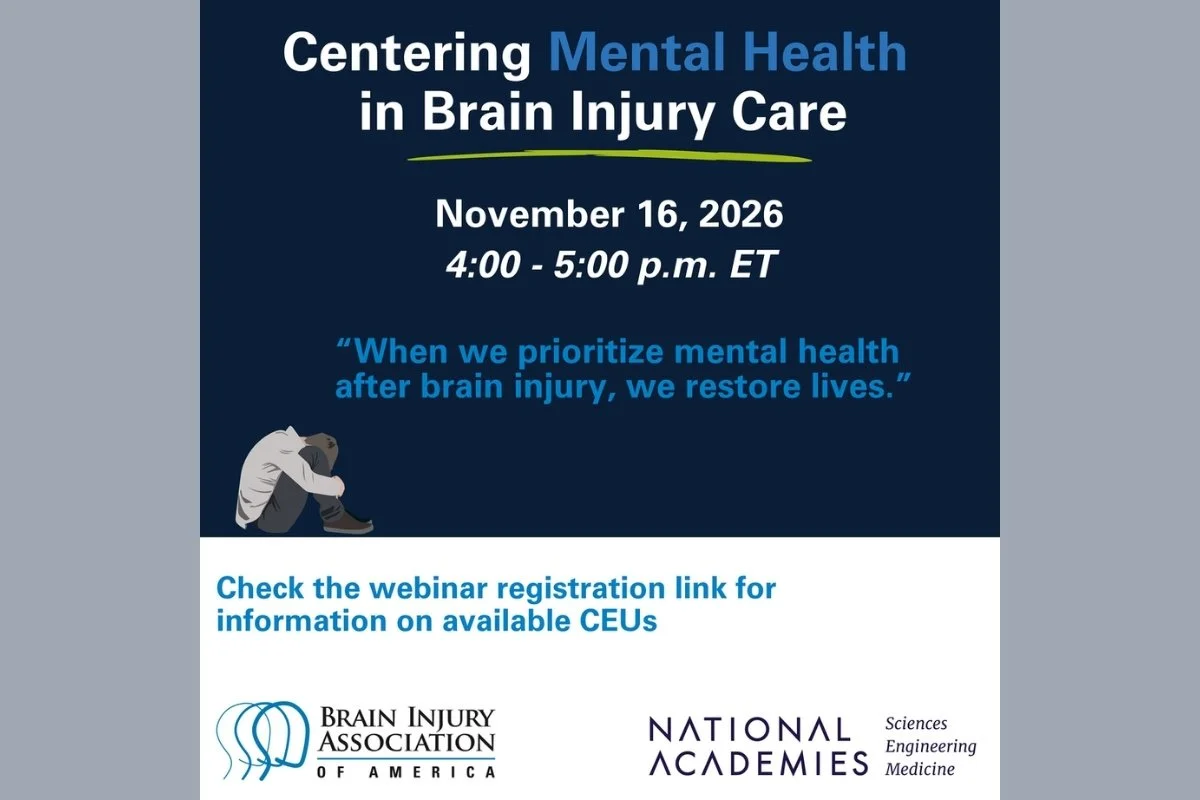
Tuesday, November 16, 4 pm ET: A webinar for professionals, Centering Mental Health in Brain Injury Care, presented by Dr. Michael Jaffee and Dr. Jennifer Bogner. Hosted by the Brain Injury Association of America and the National Academies of Sciences, Engineering, and Medicine. Click here to attend for free with no CE credits; click here to attend with CE credits ($35).
Wednesday, November 17, 3 pm ET: A free webinar, New Insights in CTE Research: Understanding the Latest Discoveries, presented by Daniel Daneshvar, MD, PhD, Vorghos Tripodis, PhD, and Ann McKee, MD. Hosted by BU Research Center. Register here.
Wednesday, November 24, 6 pm ET: A free webinar, Imaging in Concussion, presented by Dr. Andrea Para. Hosted by the Canadian Concussion Centre. Register here.
Call for study participants in the New York area: help researchers understand why some people experience concussion symptoms that persist while others recover. Participants can receive up to $250 in compensation and transportation. Contact Jessica Peters at the Brain Health Imaging Institute at Weill Cornell Medicine at jep4007@med.cornell.edu or (646) 962-9037. See our blog post for more information.
Call for online study participants who have had at least one concussion in their life to complete a short (~10-minute) survey on their thoughts and feelings about their concussion and their recovery. All answers are anonymous. Participants will be included in a drawing for a $100 Amazon gift card. Click on this link to take the survey by Penn State researchers.
Women’s Health
Attribution: All-Pro Reels from District of Columbia, USA, CC BY-SA 2.0 <https://creativecommons.org/licenses/by-sa/2.0>, via Wikimedia Commons.
Heading education needed in girls' and women's soccer
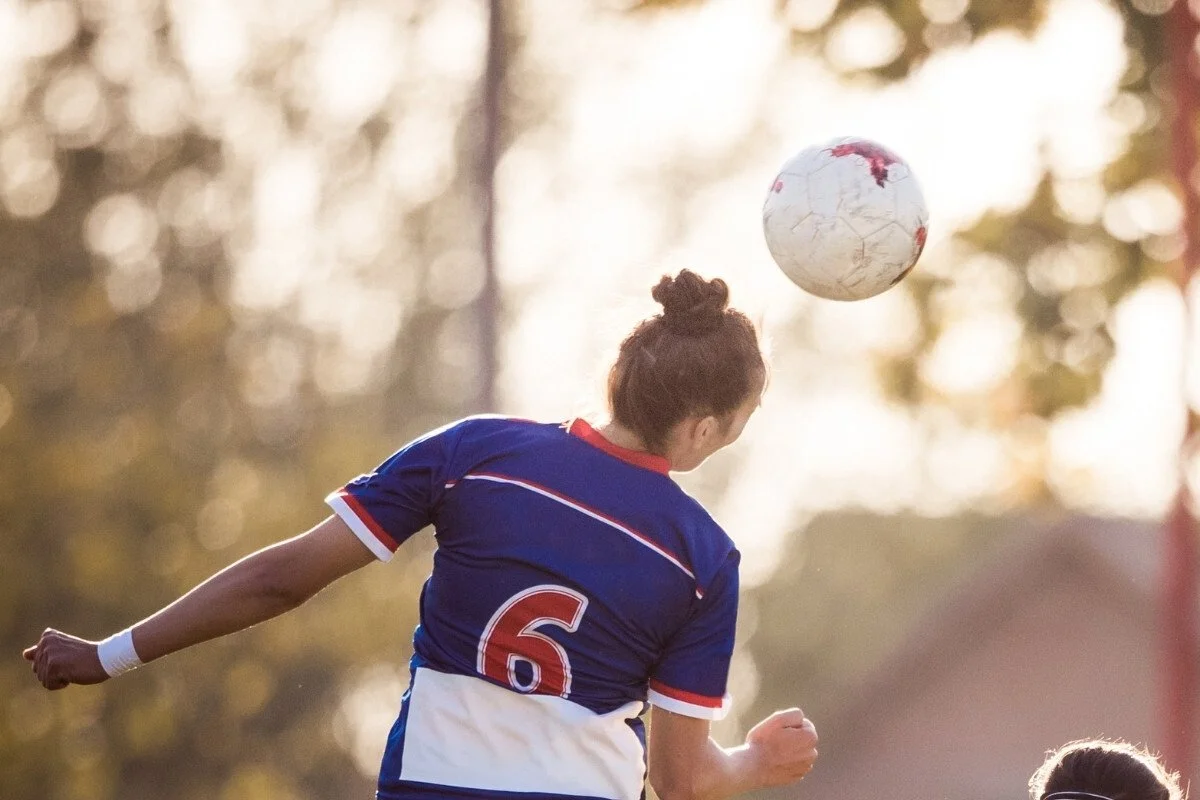
Based on their study of heading in girls' and women's soccer, researchers Kerry Peek et al. are calling for targeted resources to support heading skill development. Published in the International Journal of Sports Science & Coaching, the study investigated the perspectives and experiences of women's and girls' soccer players and coaches in Australia through an online survey and follow-up interviews. The researchers found that heading training was lacking for both players and coaches, and that perspectives differed on when and how to introduce heading. Importantly, players who had not been coached on heading technique were more likely to report fear and pain with heading, and were also more likely to report concussion. Ultimately, the researchers conclude that "Football organizations should prioritize gender-responsive strategies to improve coaching practices and player confidence in heading."
[In the US, heading is prohibited until the age of 11 and limited in practice until the age of 13 based on concerns about concussions and repetitive head impacts. Concussion Alliance notes that research has shown that heading can affect brain health.]
As part of the study, 211 players and 45 coaches completed the survey, and 17 players and 12 coaches completed interviews. Lack of heading training was reflected in the survey results. For players, 80% reported performing at least one header per week, but only 50% reported receiving formal heading training. For coaches, 49% reported teaching heading technique, but only 29% reported receiving formal training on how to coach heading. Limitations of this study include the fact that it included only players and coaches from within Australia, and that participants tended to have a high socio-economic status, which may have skewed their perspectives. The researchers note that future studies might compare the experiences of men and women with heading.
Self-Care
From a TBI perspective: How giving and receiving care supports feelings of mattering, belonging, and self-worth

In an article published by Psychology Today, author Marisa Franco speaks with John Miles, author of the book The Mattering Effect: Creating a Life of Meaning and Worth, about how his experience with a childhood traumatic brain injury shaped his understanding of the science of mattering. Miles’s traumatic brain injury affected his eyesight, sensory processing, and speech. In the article, he reflects on how his speech therapist taught him about having a “growth mindset” through working to overcome limiting beliefs and seeing his circumstances as changeable rather than fixed, and how a conversation with a teacher made him question his own self-worth for the next 25 years.
Ultimately, he finds that giving and receiving care is the key to fostering mutual relationships, belonging, and self-worth, advice that may benefit other patients navigating TBI as well. Miles acknowledges that letting people in and receiving care can also be difficult. “One way we begin to change this,” he writes, “is by initiating the first cue of care. When we start offering care to others, we can create opportunities for them to respond with care in return.”
He draws on attachment science to understand his experiences. “When people feel unsafe or insignificant, they can develop anxious or avoidant attachment patterns,” he writes. Miles describes his own experience with avoidance, saying “I repeatedly received the signal that my real self wasn’t seen or needed, so I started withdrawing from the world and presenting a different version of myself.” Anxious attachment manifests in the other direction, with people “continually working to earn the reassurance that [they] matter.” TBI patients too often receive this kind of implicit messaging because of the stigma around their injuries. Miles says that we need to reinforce how much people matter to us in concrete, specific ways in order to facilitate healthy relationships.
Youth / Treatments
A new, remotely delivered exercise program for youth leads to faster concussion recovery
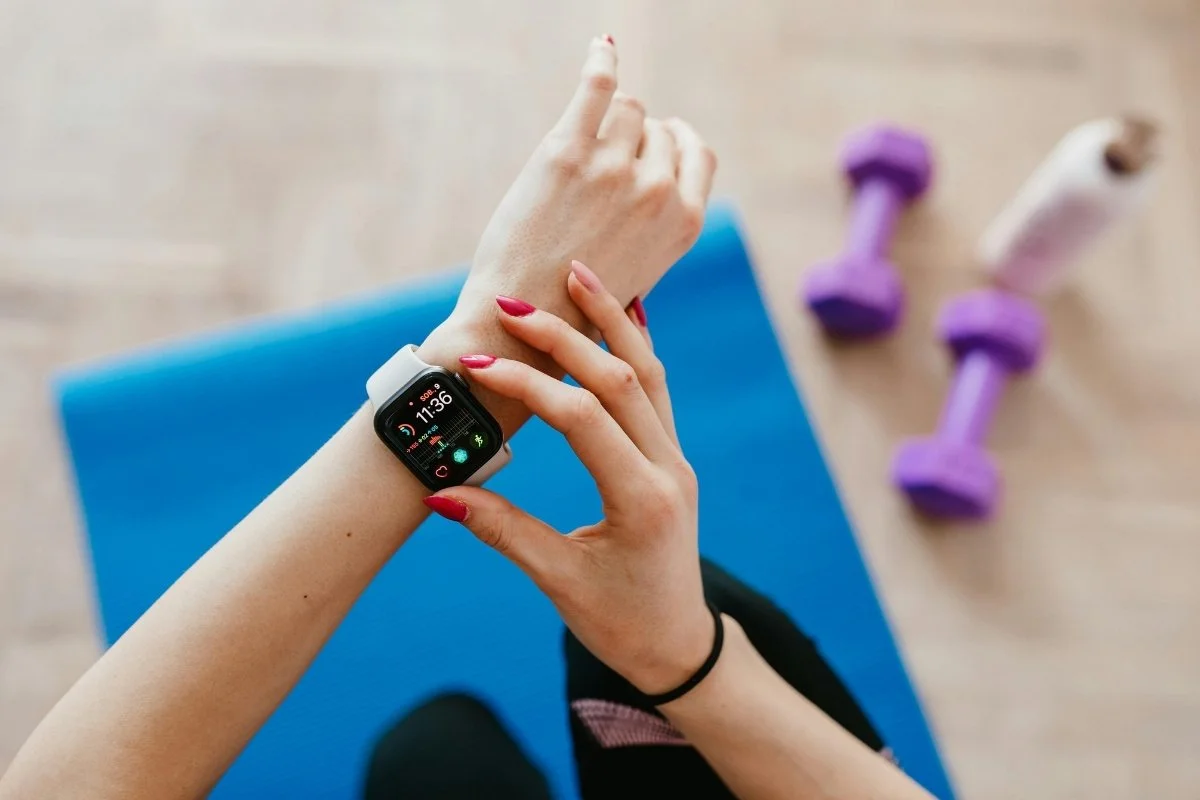
Researchers have developed a new, remotely delivered aerobic exercise program for youth with persisting symptoms after concussion, called the Mobile Subthreshold Exercise Program (MSTEP). In a randomized clinical trial led by Sara Chrisman and published in JAMA Pediatrics, the program was shown to improve the speed of concussion recovery as well as health-related quality of life in youth (compared to a stretching routine). Speeding recovery is important for youth because it allows them to return to school and other activities sooner. The data suggest that this type of program is most helpful when delivered within 3 months of injury, during the acute or subacute phase. This study builds on previous research that focused on acute concussion and in-person care, aiming to expand access to care by examining a longer time period and remote program delivery.
This study included 210 participants, who were randomly assigned to either complete the MSTEP program or complete a stretching routine. Participants were 11-18 years old and had sustained a concussion in the past year. The MSTEP program begins with aerobic exercise targeting 60% of maximum heart rate and gradually increases in intensity over six weeks, with clinical oversight via weekly videoconferencing calls. Participants were also given activity trackers.
The researchers collected data on concussion symptoms, health-related quality of life, sleep, depression, and anxiety. They found that concussion symptoms and health-related quality of life improved across all time points, and that the MSTEP group showed significantly higher levels of improvement at 3 months than the control group, indicating that the MSTEP program led to faster recovery than the stretching routine. At 6 months, no significant differences between the groups were observed. Sleep, anxiety, and depression also improved over time, but no significant differences were observed between groups.
What We’re Reading
Editorial: Visual rehabilitation of mild traumatic brain injuries or concussion | Frontiers in Neuroscience
What the 2026 Nobel Prize Means for the Brain | Being Patient
Brain injury linked to increased risk of MSK injury in US military | NR Times
Economic burden of adult mild traumatic brain injury in the United States: a scoping review of healthcare-related charges and costs | The Lancet
Tackling Insurance Wording: What the NFL Concussion Insurance Ruling Means for Policyholders | Hunton
The Importance of Screening Domestic Violence Victims for Brain Injury | Brain Injury Association of America
Timing of initial evaluation by athletic trainers impacts concussion recovery duration in adolescent athletes | Journal of Athletic Training
The Role of Pediatric Psychology in Concussion Care | Clinical Practice in Pediatric Psychology
You Can Support Concussion Patients

Join our community of monthly donors committed to improving how concussions are prevented, managed, and treated, thereby supporting long-term brain health for all. Learn more.
You can also make an impact with a one-time gift or tax-friendly options such as Donor Advised Funds (DAFs), IRA Charitable Rollovers, and Planned Giving: leave a gift in your will. Learn more.