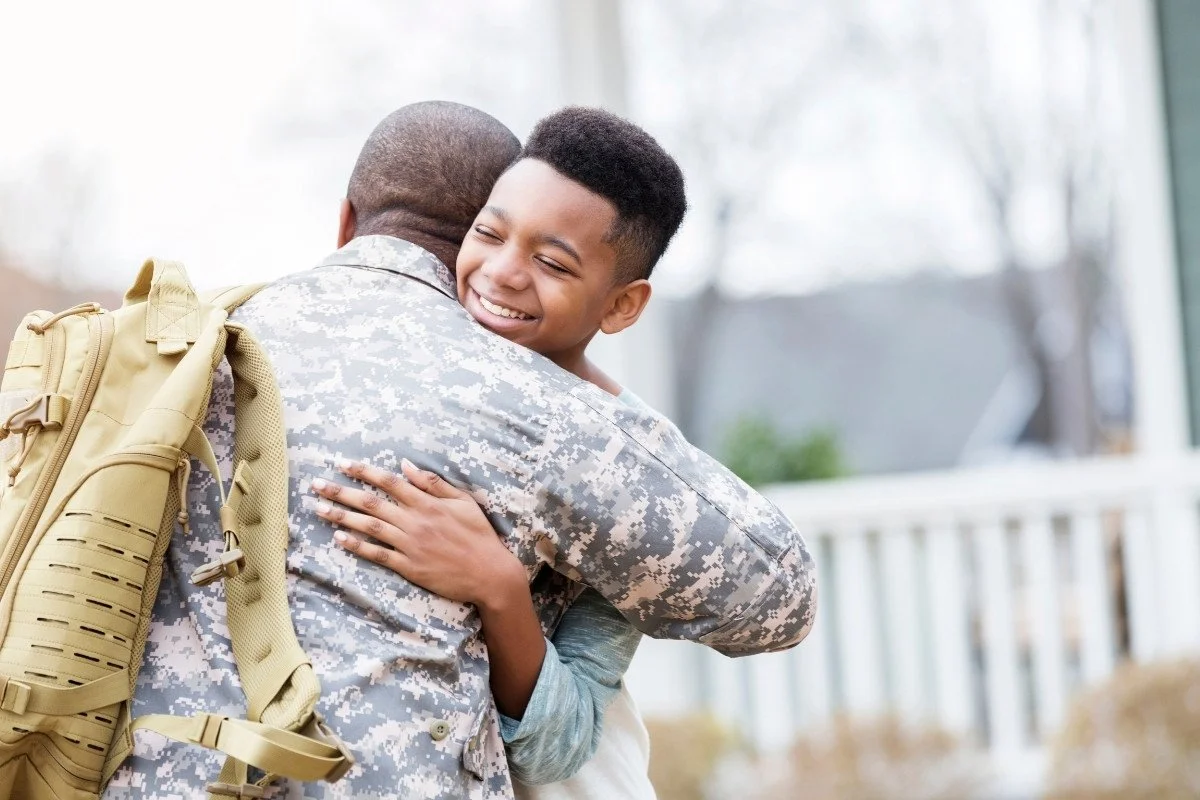
I would like to recognize and thank veterans for their service this Veterans Day. My father-in-law, my brother-in-law, and my husband served, so this day has special meaning for me.
To mark this day, we are sharing resources, new studies, and opportunities to participate in research for veterans and those who care for them, including family, friends, and healthcare providers. Thank you for all that you do.
Malayka Gormally
Co-founder and CEO
In this veterans-focused newsletter:
This week’s writer and editor: Malayka Gormally
Do you find the Concussion Update helpful? If so, forward this to a friend and suggest they subscribe.
Opportunities
Wednesday, November 18, 10 am ET: A free training, Assessment of Dizziness and Visual Disturbances Following Concussion | TBI Center of Excellence Clinical Recommendation Training Series, 1 CE/CME
Wednesday, December 2, 11 am ET: A free training, Management of Sleep Disturbances Following Concussion | TBI Center of Excellence Clinical Recommendation Training Series, 1 CE/CME
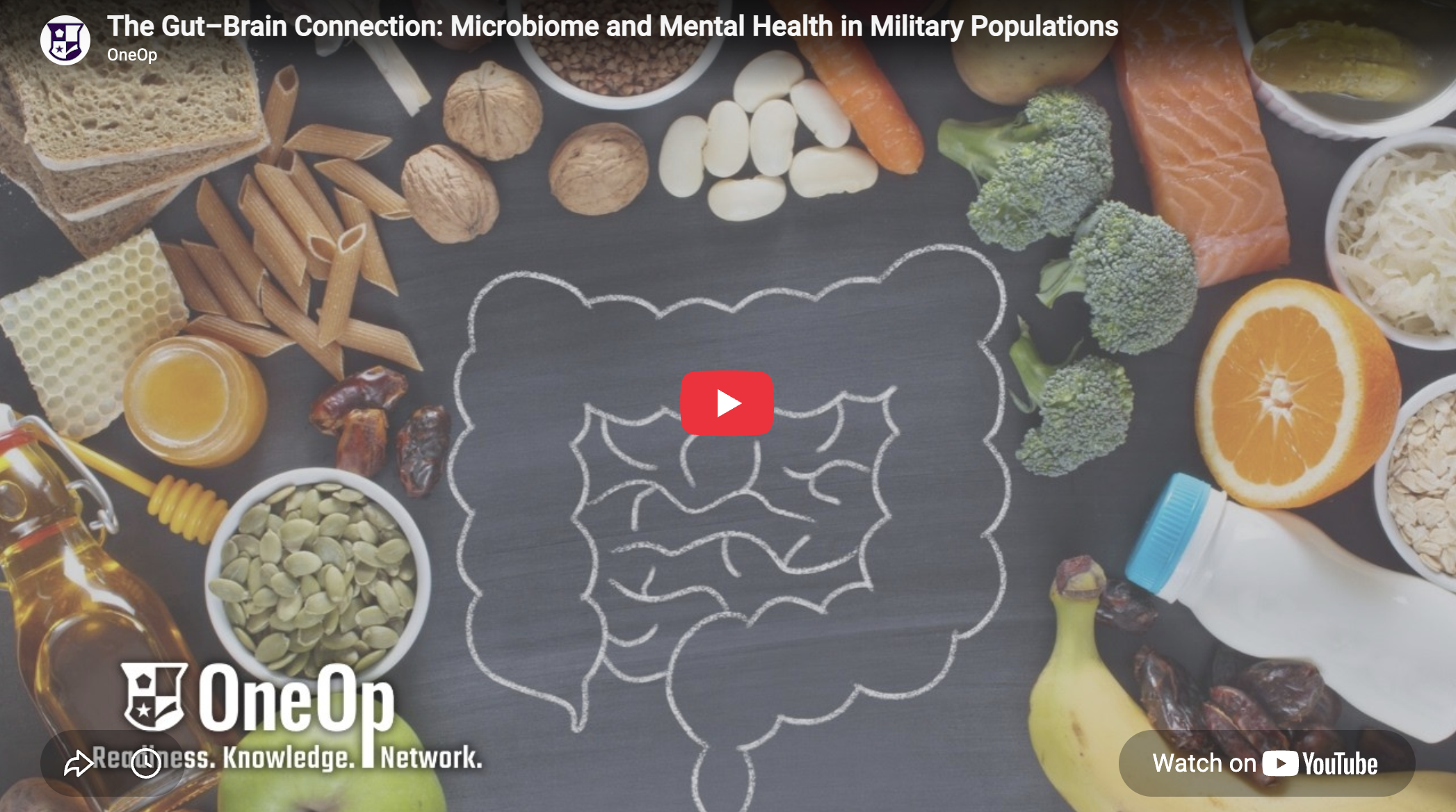
On-demand webinar: The Gut-Brain Connection: Microbiome and Mental Health in Military Populations, presented by Drs. Lisa Brenner and Andrew Hoisington, hosted by OneOp.org.
Our Resources for Veterans

We have a group of resources for military service members and veterans on our website. Resource pages include:
Government and non-government treatment centers for mTBI; VA and free nonprofit health clinics; and more.
What We’re Reading
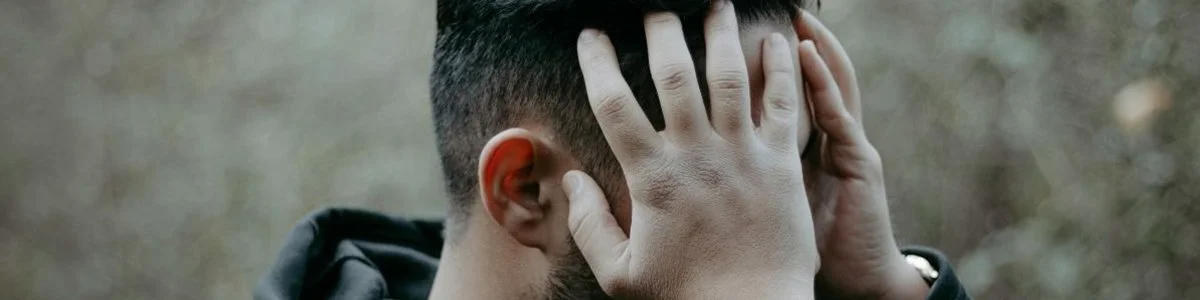
For veterans with mild traumatic brain injury, a restaurant or other noisy environments can feel like a battlefield | The Conversation
Tension and irritability in busy environments may stem from “the injured brain being flooded by sensory information that overwhelms its processing capacity.”
Related study: Irritability Among Veterans With Chronic Mild Traumatic Brain Injury: Psychological and Sensory Neurophysiological Factors | The Journal of Neuropsychiatry
Press Release: Ohio State Study Follows VETS Grant Recipients For Nine Months After Psychedelic Treatment | Veterans Exploring Treatment Solutions (VETS)
"Researchers found large, statistically significant reductions in self-reported symptoms of post-traumatic stress disorder (PTSD), depression and anxiety, as well as suicidal ideation, compared with scores before treatment....[However) The findings cannot establish that the treatment caused the reported improvements."
Related study: Ibogaine and 5-MeO-DMT Treatment in Mexico: Adverse Events, Suicidal Ideation, Mental Health, and Psychological Flexibility Among United States Military Veterans | Sage Journals/Chronic Stress
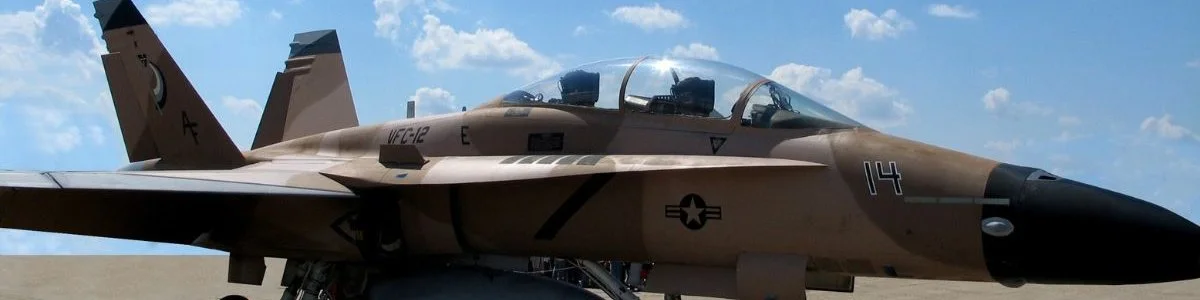
US Navy failed to protect pilots from brain injuries – report | NR TIMES
A congressional report by the House Oversight Committee found that the Navy had not "formally studied whether conditions including high G-forces, catapult launches and aggressive landing decelerations could cause cumulative neurological harm."
"Our recent study found lower suicide rates in the years following military separation among Veterans who used VHA services compared with those who did not, supporting the importance of enhanced suicide prevention care within the VA" | Lisa A. Brenner, LinkedIn
Veterans Health Administration Service Use and Suicide Risk After Military Separation | Research Letter, Psychiatry, JAMA Network Open
"Our new study led by Dana Waltzman, PhD, found that childhood concussion history among U.S. Veterans was associated with greater PTSD, depression, anxiety, and neurobehavioral symptom burden in adulthood." | Landon Lemke, LinkedIn
Study: Association of childhood mild traumatic brain injury with mental and behavioral health outcomes later in life among U.S. Veterans: A LIMBIC-CENC study | PLOS Mental Health
AI-Powered Precision Brain Stimulation Reduces PTSD in Weeks | Psychology Today
Non-invasive transcranial magnetic stimulation (TMS), personalized to each patient using an AI decision tree algorithm (based on EEG readings), resulted in a "34 percent reduction in PTSD symptom severity and 44 percent fewer sleep disturbances."
Study: Personalized electrophysiology-guided transcranial magnetic stimulation in post-traumatic stress disorder: a randomized, double-blind, sham-controlled study | Personalized Medicine in Psychiatry
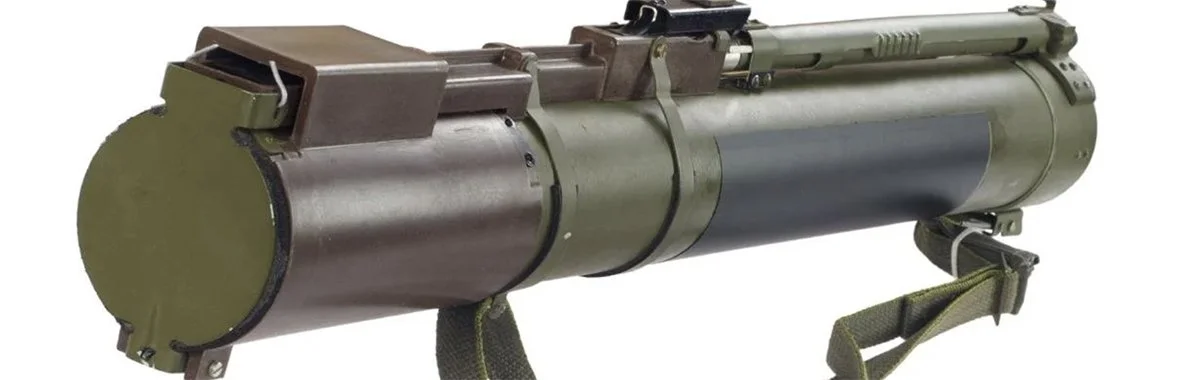
Defense Health Care: DOD Should Assess Its Needs for Managing Potential Brain Health Effects from Weapons Blast Exposures | U.S. Government Accountability Office
"There's growing evidence that service members' brain health may be at risk due to blast exposures from certain weapons they fire during training or combat. Firing these weapons can expose service members to blast overpressure waves, which may cause problems such as headaches, memory loss, or traumatic brain injury. "
Brain injury linked to increased risk of MSK injury in US military | NR TIMES
Active duty service members who had experienced a mild traumatic brain injury (mTBI) were more than twice the risk of a subsequent musculoskeletal injury than those without an mTBI.
Study: Mild Traumatic Brain Injury and Subsequent Musculoskeletal Injury in US Service Members | JAMA Network Open
Warfighter Brain Injury and Exposure: Coding Quick Reference for the Primary Care Manager | Health.mil
"This handy one-page guide, complete with new codes released this month, can help clinicians quickly make accurate coding decisions."
Participate in Research

Treatment of Chronic Traumatic Brain Injury and Concussion in Service Members, Veterans, and First Responders
University of Utah study: "This study is testing whether red light therapy (photobiomodulation, or PBM) alone or combined with computer-based brain therapy can help improve long-term symptoms related to mild traumatic brain injury (mTBI) in military service members, veterans, and first responders."
The study is open to first responders, veterans, or service members, aged 18-65, with a history of mild TBI (or concussion) more than 6 months before participation, with persistent symptoms, and willing to participate in a 10-week intervention at home. You will be paid for your time. For more information, contact Courtney McCab:
courtney.mccabe@hsc.utah.edu
801-503-9184
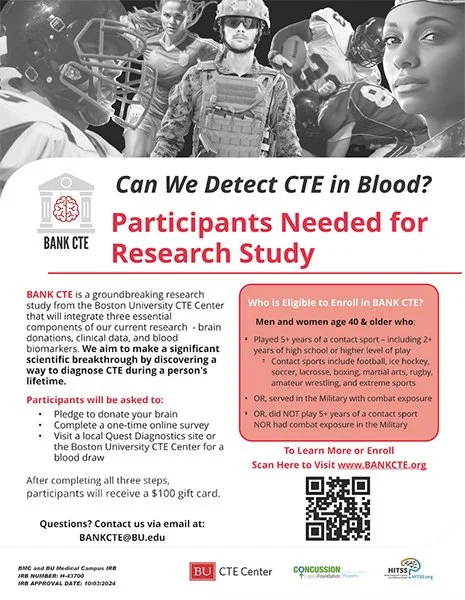
The BANK CTE study is recruiting military veterans with combat experience.
The goal of the study is to discover how to diagnose CTE during life; currently, CTE can only be diagnosed by brain autopsy. "Participation includes a brain donation pledge, one-time online survey completion*, and a blood draw at your local Quest Diagnostics. After completion of all three components, participants will receive a $100 gift card." Read more here and contact bankcte@bu.edu with questions. Click here for a PDF version of the poster.
You Can Support Concussion Patients

Join our community of monthly donors committed to improving how concussions are prevented, managed, and treated, thereby supporting long-term brain health for all. Learn more.
You can also make an impact with a one-time gift or tax-friendly options such as Donor Advised Funds (DAFs), IRA Charitable Rollovers, and Planned Giving: leave a gift in your will. Learn more.