Blog

VA secretary is “trying to explore what more we can do” for veterans using cannabis
According to the Veterans Association (VA), 11.9% of veterans use marijuana, often to self-medicate for illnesses like PTSD. Yet the VA will not expand its cannabis research and "continues to deny cannabis recommendations to veterans in 36 states that allow medical marijuana," according to an article in Politico.

The English Premier League is the first major soccer league to trial in-game saliva tests for concussion diagnosis
The top-flight of English football, the Premier League (PL), announced plans to administer saliva tests that could potentially diagnose concussions sustained during games or training sessions. The trial, an academic study funded by the Premier League and intended to validate salivary biomarkers as a diagnostic tool, may start sometime this season (which ends in May 2022).

NIH funds research on biomarkers that could predict persistent symptoms
A large-scale research project to study biomarkers that may predict delayed recovery in children and adolescents aged 11-18 was awarded $10 million by the National Institutes of Health. According to a UCLA press release, the research project (entitled CARE4Kids) will observe over thirteen hundred children and teens nationwide.

Study: light therapy for persistent concussion symptoms
Renowned light therapy researchers Dr. Laura Martin, Dr. Margaret Naeser, and Dr. Michael Ho are currently recruiting study participants for a studies that aims to see if light therapy can improve thinking and memory in people who have suffered one or more traumatic brain injuries, including concussions, and who are experiencing persistent symptoms.

Hope on the horizon: MRI may help diagnose CTE in living patients
Chronic traumatic encephalopathy (CTE) can only be diagnosed after death via autopsy. However, according to new research published in Alzheimer’s Research & Therapy, MRIs may soon detect CTE in people still alive, allowing doctors to make an earlier diagnosis.

Accurate score conversions for two different concussion assessments
A study found that the Sport Concussion Assessment Tool (SCAT) symptom scores can be converted to Rivermead Post-concussion Symptoms Questionnaire (RPQ) scores. “Being able to convert between the two scores would facilitate comparison of results in the concussion literature.”

A review of the biomechanics, data acquisition, and head trauma
Gregory Tierney published a review on concussion biomechanics, head acceleration events (HAE), and brain injury criteria in Taylor & Francis Online. Tierney pooled data from past studies to understand the relationship between the kinematic magnitude and rotational nature of HAE and damage to the brain.

Neuroimaging data suggests that even mild COVID-19 affects brain matter and functioning
Researchers found decreased gray matter thickness in the frontal and temporal brain lobes of those who’d had COVID-19 compared to those who had not had the virus. The researchers also found that, based on “performance on cognitive tasks,” those who had contracted COVID-19 were slower in processing information (the primary function of gray matter in the brain).

For neurologists: recommendations for clinical assessment of concussion and PPCS
Neurologists are frequently the providers tasked with making a differential diagnosis for patients with concussions and those with persistent post-concussive symptoms (PPCS). Leaders of the concussion field, including Dr. John Leddy and Concussion Alliance Advisory Board Member Dr. Barry Willer, have written a review, Clinical Assessment of Concussion and Persistent Post-Concussive Symptoms for Neurologists.

Return-to-Learn educational resources available for free to educators in 10 states
To help Nebraska teachers take care of their students who sustain a concussion, the Brain Injury Alliance of Nebraska and the Nebraska Concussion Coalition have contracted for a state-wide subscription to the Get Schooled on Concussions program. According to an NPR article, “Based on a 2018 survey, 50 percent of Nebraska teachers surveyed said they don’t know how to take care of students with concussions.”

New research sheds light on neurodegenerative disease progression
In a breakthrough study led by Georg Meisl, scientists at the University of Cambridge found that targeting the local replication of harmful tau protein clusters in the brain could be a key component in finding more effective treatment methods for Alzheimer’s.

Study finds that over one third of ER patients with sports-related concussions in the last 20 years were teen female athletes
A study found a dramatic increase — more than 200% — in sports-related head injuries among female athletes ages 14-18” between 2000-2019. Moreover, the study also found that adolescent women who play soccer, basketball, cheerleading, softball, and volleyball are the most likely to be admitted to the emergency room (ER) with a concussion or traumatic brain injury.

Overparenting in concussed children associated with increased recovery times and emotional distress
Researchers found that overparenting was associated with higher anxiety and stress for patients post-concussion and had a small yet significant correlation with longer recovery times. Further, higher emotional distress levels in patients were associated with worse clinical outcomes.

Study finds association between rugby concussions and mental health issues
The study found an association between repeated concussions in rugby and having mental health issues – such as increased irritability, depression, and extreme mood changes during retirement. The study found that “professional rugby players are more likely to have mental health issues in retirement than athletes in non-contact sports.”

Sleep study for veterans with sleep issues and concussion history
The Sleepless Warriors At-Home study is recruiting veterans age 21+ who have served in the military for at least 180 days, have trouble sleeping, and have a concussion history.

Evidence Suggests that Female Veterans with Brain Trauma Require Different Recovery Methods
An article published by Stanford Medicine reports that female veterans endure a more challenging recovery after sustaining a TBI than males. Cortical thinning in male and female brains after TBI may be associated with the exhibition of unexpected behavioral trends within the female population.

Navy researcher designs shock-absorbing helmet
U.S. Navy researcher David Jesse Daily has created a prototype helmet with “increased protective capability.” As reported by TechLink, this helmet uses cavitating bubbles, which are “the formation of vapor pockets in a fluid,” to act as a shock absorber.
This new helmet design transfers the energy created on impact into the cavitation bubbles to help cushion the brain.
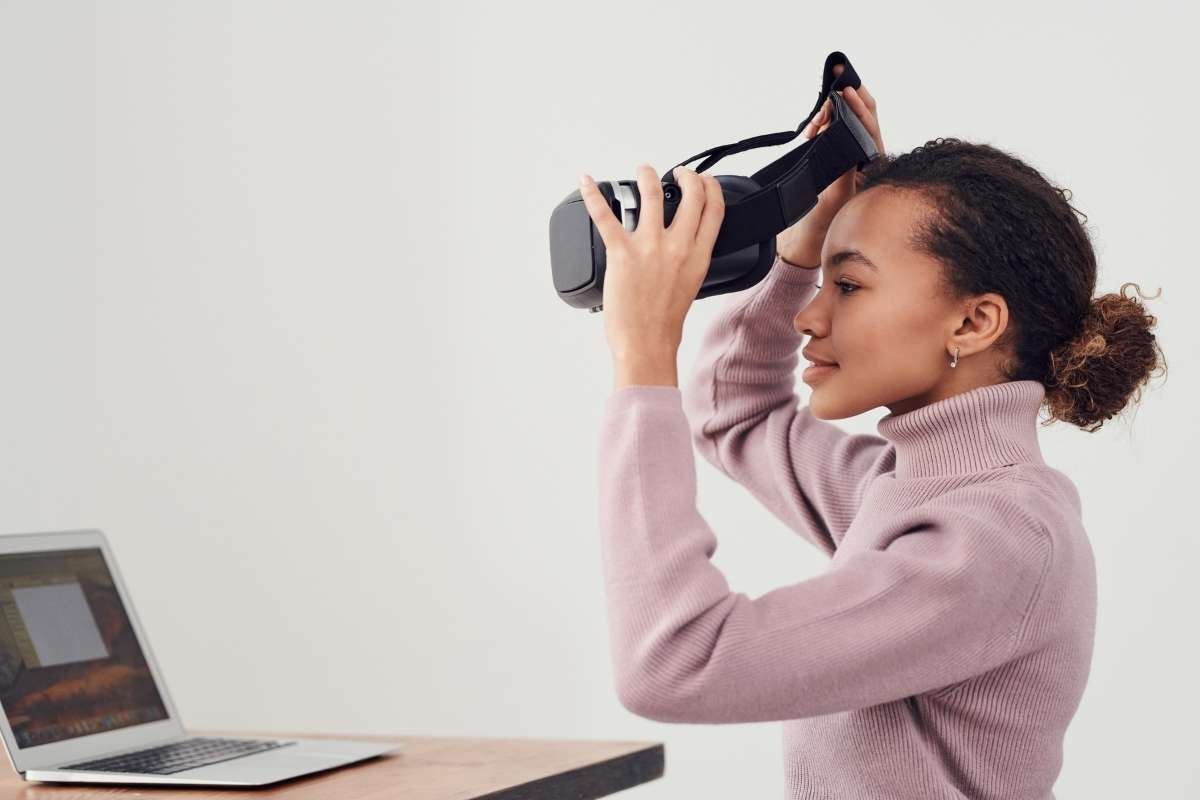
Virtual reality, augmented reality, and other games may provide remote cognitive rehab to patients during COVID-19
A review article published in the Frontiers of Neurology investigated the potential of virtual reality (VR), augmented reality (AR), serious games (SG’s), and telerehabilitation techniques to facilitate cognitive rehabilitation therapy. Elisa Mantovani et al. found these techniques to be highly engaging when performed at home by study participants.

Rugby Football League approves impact detection mouth guards
According to The Guardian, the Rugby Football League (RFL) has approved the use of mouthguards that could detect whether a player is at risk for a concussion. The mouthguards were trialed by the Leeds Rhinos, an English Rugby team, and will be deployed next season. The guards can measure the force of collisions experienced by players.

CBD & THC reduces neuropathic pain in mice
A study published in Neuropsychopharmacology found that CBD and THC reduces chronic neuropathic pain in mice. Neuropathic pain is pain caused by a disease of the nervous system. While chronic neuropathic pain and post-concussion symptoms are not directly linked, research on neuropathic pain provides valuable insight.