
Blog

A potential mild traumatic brain injury biomarker for older adults: Glial Fibrillary Acidic Protein
Researchers recently found that plasma glial fibrillary acidic protein (GFAP), a blood-based biomarker, can act as an objective indicator of mild traumatic brain injury in older adults.
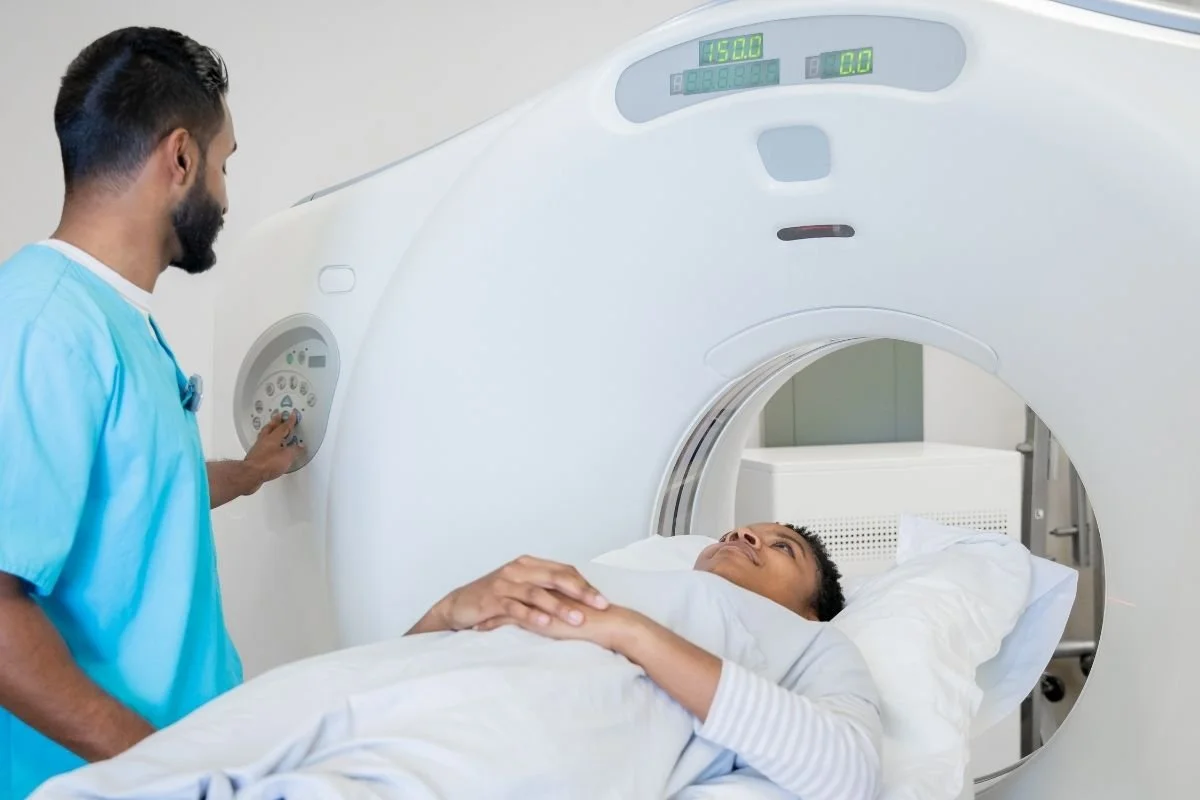
The case for more intentional CT scan use in mTBI diagnosis
According to an editorial published in Cureus, computed tomography (CT) scans should be an available tool to support mild traumatic brain injury (mTBI) diagnosis, but should not be “the endpoint of thinking.”

Using visio-vestibular examination in the emergency department helps with earlier, more accurate concussion diagnosis
A recent article published in the Children’s Hospital of Philadelphia’s (CHOP’s) Research in Action blog by Dr. Daniel Corwin emphasizes the importance of using CHOP’s visio-vestibular examination (VVE) as a part of first-line concussion management in the emergency department.

EyeBOX is now cleared for acute concussion diagnosis and monitoring concussion recovery over time
Having first achieved FDA approval in 2019, Oculogica’s EyeBOX remains the “only FDA-cleared and Health Canada registered diagnostic aid for concussion that does not require a pre-injury baseline test.” The new FDA label allows providers to use the EyeBOX to monitor a patient’s recovery over time by comparing the patient’s recovery to normative data.

Patient symptom report remains the most accurate method of sport concussion assessment
A study found that an athlete’s symptom report is more accurate for concussion diagnosis than the Standardized Assessment of Concussion (SAC), a cognitive evaluation commonly used as part of the Sports Concussion Assessment Tool (SCAT).

New imaging technique may facilitate future diagnosis of concussion via MRI
In a recent study, Lily Li-Wen Wang et al. found that macrophage-adhering GLAMs can be used to identify the presence of mild traumatic brain injuries (mTBIs) that do not show up on standard MRI brain scans.

Novel hand-held eye (retina) scanning device measures biomarkers and accurately identifies brain injury in pig eyes
A recent study reported results on a handheld device, tested on a pig model, that can scan the retina of the eye to detect biochemical markers produced by the brain immediately after mild traumatic brain injury (mTBI).

Early speech-language pathology screening can aid in timely referral and treatment for memory, attention, organization problems post-concussion
Recent findings from a study published in American Journal of Physical Medicine and Rehabilitation revealed that using a speech-language pathology screening checklist may prove beneficial in predicting the need for a speech-language pathology referral for pediatric concussions.

Adolescents with exercise-induced vision dysfunction have a 3-fold greater relative risk of developing persistent postconcussive symptoms
Results from a recent study published in the Clinical Journal of Sports Medicine indicated that youth with exercise-induced vision dysfunction following sport-related concussion were at “a 3-folder greater risk” of developing persistent post-concussive symptoms (PPCS) compared to those without exercise-induced vision dysfunction.

For neurologists: recommendations for clinical assessment of concussion and PPCS
Neurologists are frequently the providers tasked with making a differential diagnosis for patients with concussions and those with persistent post-concussive symptoms (PPCS). Leaders of the concussion field, including Dr. John Leddy and Concussion Alliance Advisory Board Member Dr. Barry Willer, have written a review, Clinical Assessment of Concussion and Persistent Post-Concussive Symptoms for Neurologists.