
Blog

Acupuncture Has Been Found to Reduce the Severity of PTSD Symptoms
A recent study has found that acupuncture has a statisticcally significant effect on reducing symptoms of PTSD.

High-intensity training is better than conventional training for locomotion, cognition, and aerobic capacity in moderate-to-severe TBI
The Journal of Neurotrauma recently published a study comparing conventional rehabilitation to high-intensity training (HIT) in patients with moderate-to-severe traumatic brain injury. Compared to rehabilitation, high-intensity training participants showed better outcomes in the physical tests used to measure locomotive outcomes (6-min walk test and peak treadmill speed). There were also more improvements in aerobic capacity and cognitive functioning after HIT.

“Atypical psychedelic” ibogaine shows promise as a treatment for chronic disability following TBI
A landmark study published in Nature Medicine found that ibogaine, an “atypical psychedelic” derived from the root bark of an African shrub, showed highly beneficial effects on emotional well-being and cognition in a group of Special Operations Forces (SOF) veterans with chronic illness relating to their military careers and history of traumatic brain injury (TBI), primarily mild TBIs.

The Journal of Head Trauma Rehabilitation special issue on chronic pain
The Journal of Head Trauma Rehabilitation dedicated its latest issue to chronic pain after TBI, featuring a series of ten papers. A press release by UW Medicine describes the team’s survey findings that about 60% of the 3,800 patients from the TBI cohort reported current or previous chronic pain.

Brain injury from intimate partner violence–a medical provider resource
There is a significant gap in knowledge and guidance on handling IPV-related injuries among medical providers. To address this gap, Canadian organizations have collaborated to develop a resource to aid healthcare professionals in understanding and managing these injuries effectively.

NPR interview with Sex with a Brain Injury author and concussion patient Annie Liontas
In Sex with a Brain Injury, On Concussion and Recovery, author Annie Liontas tells how their injuries have affected every area of their lives, including sex, marriage, work, and sense of self.

Multiple concussions negatively affect heart activity, and brain oxygen levels–and may be associated with symptoms such as headaches
Concussion can alter heart function through an upset to the autonomic nervous system (ANS), part of the nervous system in charge of involuntary body processes, such as the heart beating, breathing, and digestion.

Compared to men, women have significantly greater risk of depression after concussion or TBI
According to a news release by the American Society of Anesthesiologists, women are significantly more likely to experience depression following a concussion or other traumatic brain injury (TBI) when compared to men.

Novel hand-held eye (retina) scanning device measures biomarkers and accurately identifies brain injury in pig eyes
A recent study reported results on a handheld device, tested on a pig model, that can scan the retina of the eye to detect biochemical markers produced by the brain immediately after mild traumatic brain injury (mTBI).

Physical activity is as good or slightly better than medication and psychotherapy for managing mental health issues; high-intensity exercise is even better
An article highlighted the effectiveness and significant benefits of physical activity when utilized as an intervention for a range of mental health issues, specifically in managing symptoms of depression, anxiety, and psychological distress in adults.

Athletes with comorbid depression and anxiety and no recent concussion report more post-concussion symptoms than “healthy mood” athletes who are two weeks post-concussion
Scientists have found that athletes with baseline comorbid depression and anxiety reported more symptoms on the Post-Concussion Symptom Scale, without having a recent concussion, than the post-concussion athletes who had a healthy mood at baseline.

Study finds that concussion increases odds of poor mental health and suicidal behaviors in adolescents
A study conducted by Jacob Kay et al. found that male and female teenagers who reported a history of concussion in the last year were at greater risk of suicidal ideation, planning, and attempts than those who had not sustained a concussion in the previous year.

Connections between intimate partner violence, traumatic brain injury, and neurological disease–but not CTE
A recent study of the brains of 84 deceased women who experienced intimate partner violence found that the brains consistently showed signs of traumatic brain injury but that none met the criteria for chronic traumatic encephalopathy (CTE).

Brain injury associated with US Military training weapons
In a recent New York Times report, Dave Phillips brought attention to abundant evidence indicating that brain injuries and “serious and lasting harm” in veterans are related to their exposure to repetitive blasts from weapons used in training.

Blood biomarkers detect reduced brain structure volume associated with repetitive head impacts in professional boxers and MMA fighters
A study in Neurology Advisor found that for active and retired professional fighters exposed to repetitive head impacts, blood plasma measurements of the biomarkers GFAP and NfL “may help identify those who are at risk for progressive regional brain atrophy and cognitive decline.”

Study finds marker of functional brain activity and vasculature more accurate than ImPACT testing
A study found that these measures of blood oxygen variability (measured with fMRI) are significantly better at detecting concussion in athletes than widely used computerized cognitive diagnostic testing (i.e., ImPACT)

Excellent overview of vision therapy for concussion
Vision therapy may be valuable for those suffering vision problems after a mild traumatic brain injury (mTBI). Optometrist Maureen Oyaide-Ofenor explains the process of vision therapy in an article published in Optometry Times Journal.

Study Highlights the Importance of Delaying Return to Activities in Symptomatic Concussion Patients
A paper published in the Journal of Neurotrauma found that children with persistent symptoms had imaging “evidence of ongoing microstructural reorganization or neuroinflammation,” highlighting the importance of delaying a child’s return to play following a concussion if symptoms are persisting.

Medical Marijuana Might Have Benefits for PTSD Patients
A new pilot study from researchers Viddiparti et al. found that, over a 70-day period, medical marijuana use in 15 study participants significantly improved PTSD symptom severity and also produced a significant reduction in nightmares.
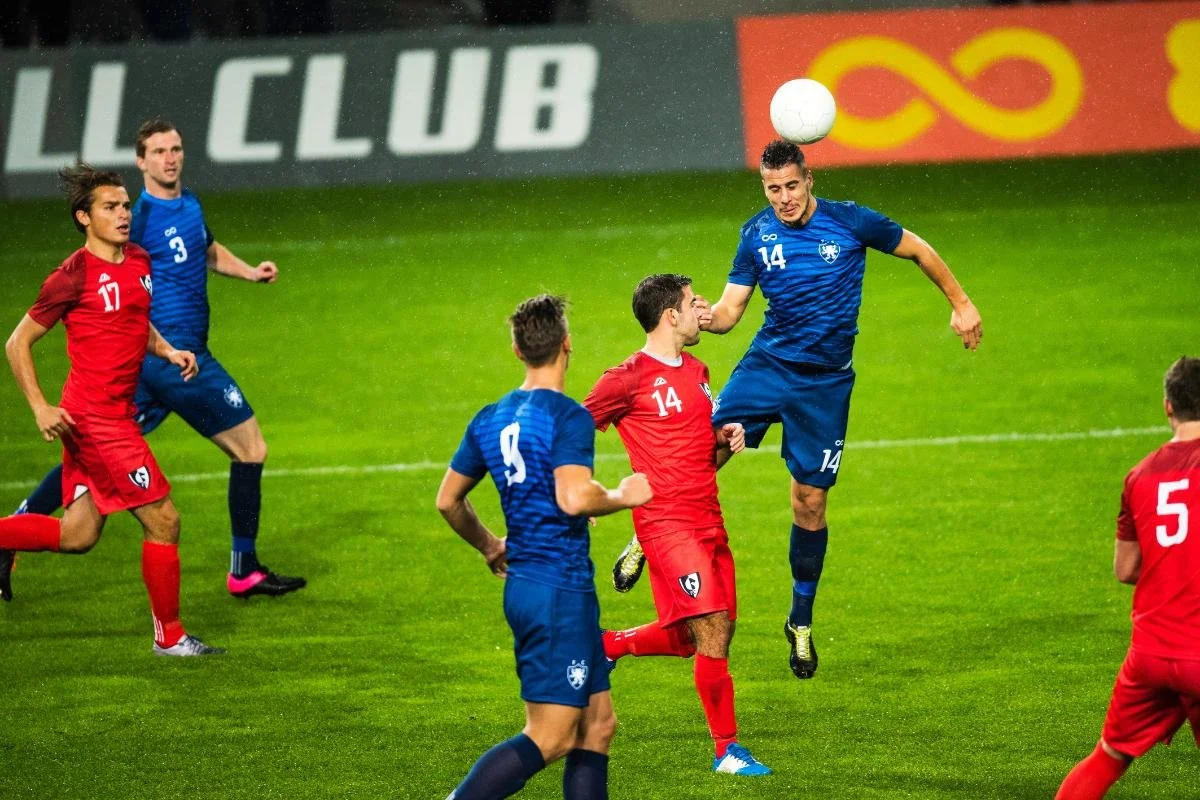
Heading in soccer has detrimental effects on microscopic brain tissue structure integrity
A recent study presented at the Radiological Society of North America found a significant decline in the microscopic structural integrity of brain tissue and a decline in verbal learning performance for young adult amateur soccer players who performed a high number of headers over two years.