
This article was initially published in the 5/21/26 edition of our Concussion Update newsletter; please consider subscribing.
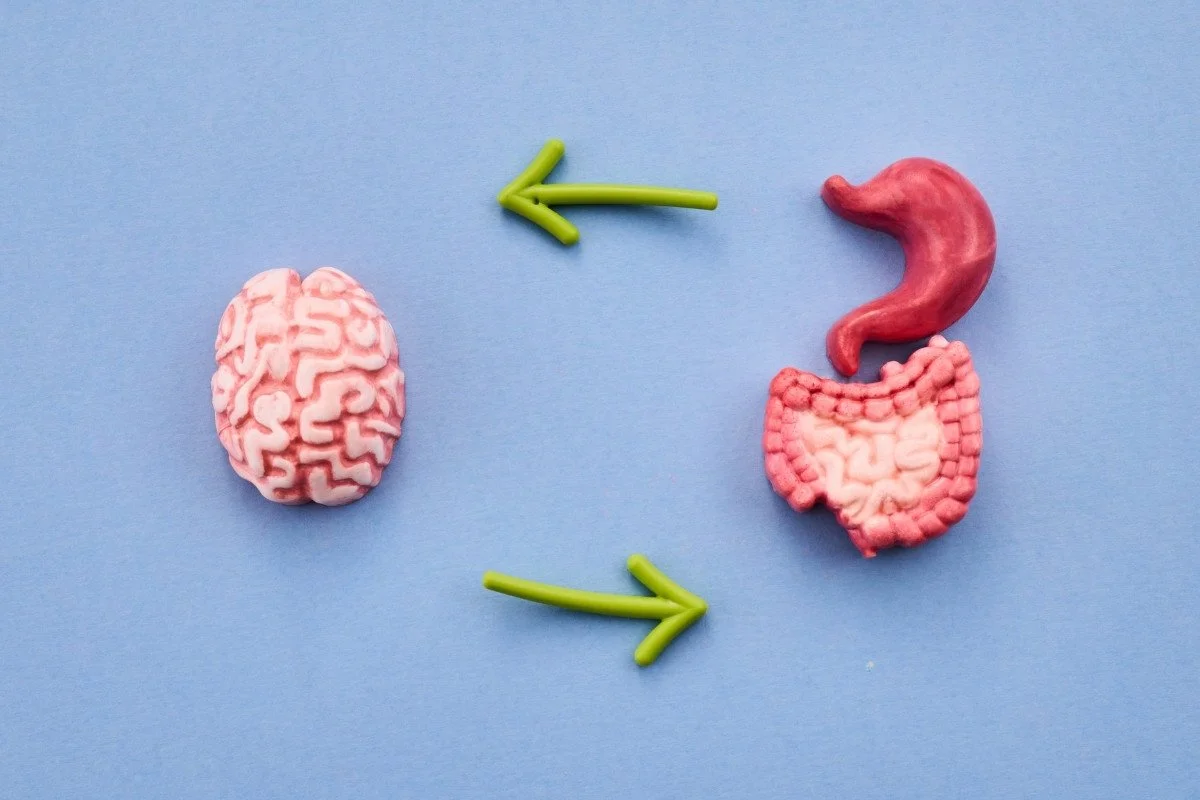
A recent research study by Pelland and colleagues published in PLOS One provided the first evidence linking non-concussive head impacts (NHIs) to inflammatory changes in the gut microbiome in collegiate football players. NHIs are hits to the head that do not cause clinically detectable symptoms of a mild traumatic brain injury. Collegiate football players can experience 100 to 1,000 NHIs per season. The microbiome, a collection of microorganisms that populate the intestinal tract in the gut, can influence many aspects of physical and mental health. While previous research has shown that the gut microbiome can be disrupted and altered by TBIs, this is the first study to look at the microbiome and NHIs. In this study, the researchers monitored NHIs, gut microbiome composition, and additional factors in six NCAA Division I collegiate football players. They found significant unhealthy shifts in the diversity and composition of the gut’s microbiome just 3 days after a NHI, as well as cumulatively across the season.
Pelland et al. found that just within 48-72 hours after a NHI is recorded, there is a shift towards a more inflammatory biome: surges of Ruminococcus and Verrucomicrobiales as well as fewer protective, anti-inflammatory bacteria (such as Coriobacteriales, Prevotellaceae, and Prevotella) were identified. Additionally, they found that NHIs caused changes in abundance of five microbial types that have been “previously identified as differentially abundant after a TBI or in patients with neurological disorders.” These changes in microbial composition were identified “across portions of an American football season, even in the absence of diagnosed mTBIs.”
The study started with 19 collegiate football players; 13 were ultimately excluded due to missing data, leaving six remaining study participants. A range of data was collected from the athletes across the season, including a background survey at the beginning and the end of the season. Their head impact data was collected using a Ridell, a smart football helmet that records and analyzes impacts and force of head acceleration events. Players were monitored during every training session and game with a portable GPS unit that calculated their velocity, distance, and acceleration. The researchers also analyzed fecal samples from the athletes. Fecal sample monitoring is one way to identify the microbial diversity and composition in the gut. Pelland et al. analyzed the fecal samples using the Bray-Curtis Dissimilarity scale, which can identify specific differences in microbial composition between multiple samples from the same player. Fecal samples were collected throughout the season to assess microbiome differences from preseason to postseason. In addition, each time a player provided a fecal sample, the researchers assessed the players for clinical factors including stress levels, sleep quantity and quality, illness, and drug and medication use, and orthopedic injury.
Overall, this study provides evidence that NHIs, even after 3 days, can affect the microbiome in the gut. More specifically, in contact sports, these head impacts can create a “snowball effect” on an athlete's gut health. The more hits over the season, the further the gut microbiome moves away from its healthy baseline during the preseason. The authors note that “NHIs may nudge the gut microbiome towards an inflammation-promoting state that could contribute to longer-term neurological consequences.” These findings emphasize the importance of careful monitoring during contact sports. Even if the head impact does not meet the clinical threshold for mild traumatic brain injury, it can still cause physiological changes.