This article was initially published in the 10/1/26 edition of our Concussion Update newsletter; please consider subscribing.
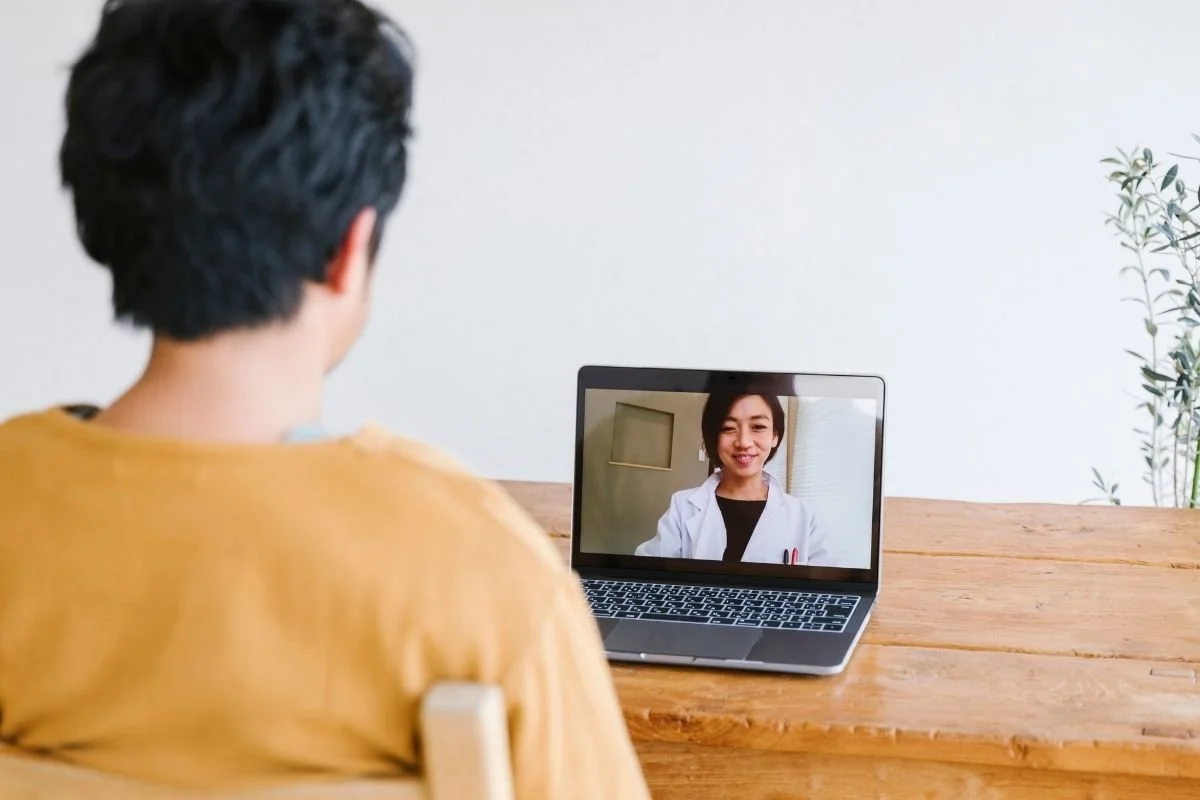
According to a study published in Brain Impairment, telehealth-based concussion assessment is feasible and comparable in accuracy to in-person concussion assessment. While a couple of elements of the telehealth assessment, including an assessment of ocular smooth pursuits and a test of autonomic nervous system functioning, were identified as needing refinement to increase accuracy, the overall results were promising. Led by Dr. Stephanie Machera, the team adapted in-person assessments for telehealth delivery, measured the feasibility of the adapted assessments, and compared the results with in-person assessments. This study included 16 participants with concussions and 20 healthy controls. The concussion group included participants who had sustained a concussion more than 2 weeks and less than 3 years before the start of the study; participants were an average of 223 days post-injury. Each participant completed in-person and telehealth concussion assessments. This study’s findings are important because they provide preliminary support for telehealth concussion assessment, which can help expand access to concussion care in rural areas.
The researchers used standard assessment measures of vestibular and oculomotor functioning, cervical spine functioning, and autonomic nervous system functioning, adapted to a telehealth delivery as needed. They measured vestibular and oculomotor functioning with a vestibular/ocular motor screen (VOMS) and a near-point convergence (VOMS-NPC) scale. The VOMS checked to see if swift head and eye movements caused participants to feel dizzy or get a headache. The VOMS-NPC measures how close an object can come to a person's face without them seeingdouble. They used a flexion rotation test (FRT) and a Smooth Pursuit Neck Torsion Test (SPNTT) to measure cervical spine function. These measures evaluated their neck range of motion and smoothness of eye-tracking, and whether these motions triggered symptoms. Lastly, they measured autonomic functioning with an exertion test. In-person assessments used the Buffalo Concussion Treadmill Test (BCTT), while telehealth assessments used the Montreal Virtual Exertion (MOVE) protocol. Both of these tests measured how much activity participants could perform without provoking their symptoms.
Overall, telehealth measures had a high level of agreement with in-person assessments. Telehealth assessments were also quicker to administer, taking only 45 minutes versus a 60-minute in-person assessment. The VOMS was the most robust measure, detecting all impairments in concussed individuals and correctly identifying control participants. However, the smooth pursuits assessment (part of VOMS) was identified as having lower agreement. The VOMS-NPC, FRT, and SPNTT met the benchmarks for validity, but could still be improved, as these assessments sometimes missed some subtle cues or over-identified symptoms. Based on their findings, the researchers suggest that FRT may be best used as a screening tool. They also note that improvements in reliability for FRT could be made by standardizing camera positioning and lighting, and using eye tracking. Finally, they suggest stronger encouragement and an additional exertion stage in MOVE to ensure that patients reach their target heart rate.
This study demonstrated that telehealth holds promise for increasing the accessibility of concussion assessments.However, with such a small sample size, Dr. Macheras hopes to replicate this on a larger population to further support the validity of telehealth concussion assessment. Overall, their findings provide preliminary evidence that vestibular-ocular, cervical, and autonomic concussion symptoms can be accurately assessed via telehealth.