This week, our lead article, Fresh Air, Clear Mind: The Power of Nature on Mental Health, is in the Mental Health category.
Also in this newsletter:
Intimate partner violence is associated with cognitive effects six months post-injury
Psilocybin-assisted therapy linked to lasting depression improvements at five years
Writers: Myla Hightower, Emily Sugg, Zoe Marquis
Editors: Zoe Marquis and Malayka Gormally
Do you find the Concussion Update helpful? If so, forward this to a friend and suggest they subscribe.
Opportunities
Tuesday, April 7, 6 pm ET: A free webinar, Dizziness after Concussion, presented by Dr. John Rutka and hosted by the Canadian Concussion Centre. Register in advance.
Thursday, April 16, 11 am PT: A free online session, “But You Look Great”: The Challenges of Living with an Invisible Injury, presented by Caren Sumption, CPC, CVA, CHW, hosted by Brain Northwest.
Friday, April 17, 7 am PT: A free webinar, Caregiver 2 Caregiver: Supporting Families of Young Children with Brain Injury/Concussions, presented by Berenice de la Cruz, PhD, hosted by The Center for Brain Injury Research and Training. Register in advance.
Tuesday, April 21, 6 pm ET: A free webinar, Anxiety, Depression & PTSD: Before and After Concussion, presented by Dr. Abe Snaiderman, hosted by the Canadian Concussion Centre. Register in advance.
Thursday, April 23, 12 – 2 pm ET: A free webinar, Domestic Violence and Brain Injury for Survivors and Caregivers, hosted by the Ohio Domestic Violence Network and Brain Injury Association of Ohio. Domestic violence, trauma, and its impact will be discussed, plus “trauma-informed care, domestic violence programs, brain injury support services, and forensic nursing, including how these services can help survivors heal, document injuries, and get the care they need.”
April deadline: Sign up for the next sessions of Love Your Brain Online yoga, mindfulness & education programs, which start in April. These six-week programs run in April, July, and October. Participants may choose between group discussion programs and yoga and discussion programs. There are also affinity group programs for caregivers, BIPOC, athletes, and other communities.
Applications open: Apply for a free, 5-day in-person community retreat for people with brain injury and caregivers, hosted by Love Your Brain.
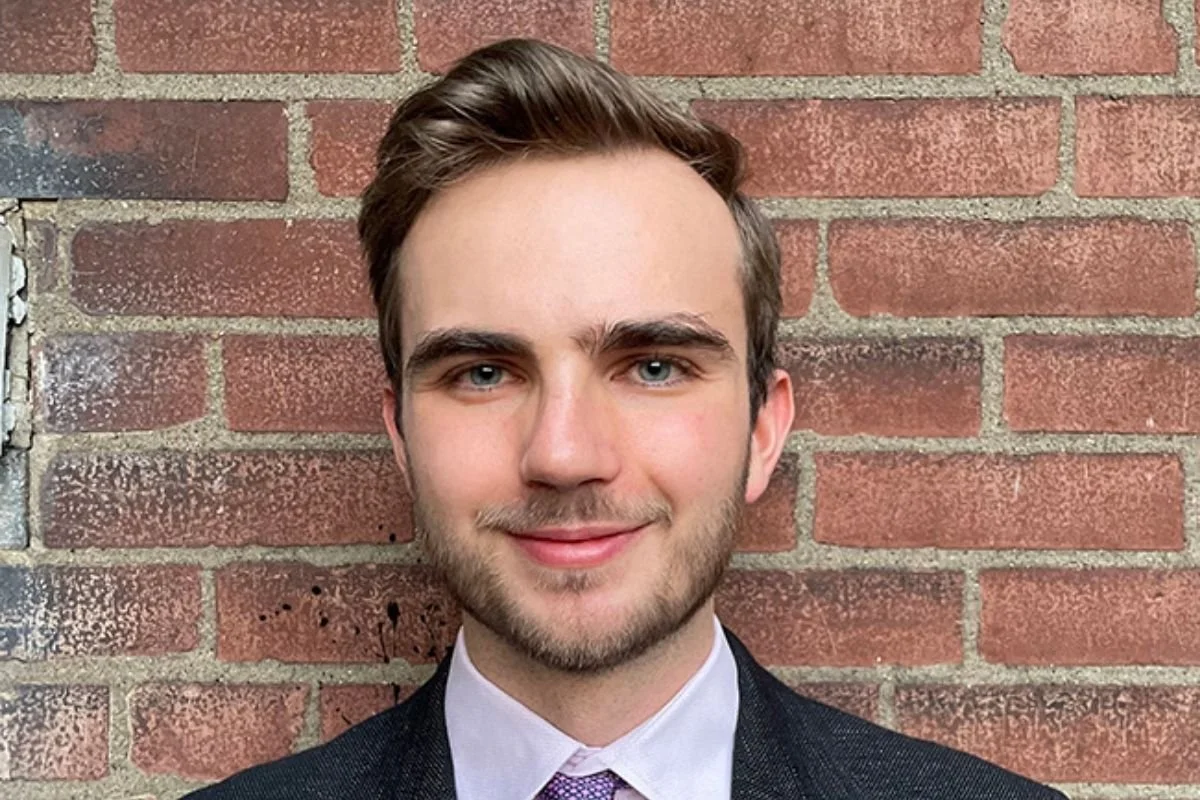
A message from Conor Gormally
Dear Concussion Update Newsletter subscribers,
I wanted to give you a personal update regarding Concussion Alliance.
Effective April 1st, I will no longer be employed at Concussion Alliance. I'm incredibly grateful for the time I've spent with the organization and our successes so far, and I know that Malayka and our new hire, Zoe Marquis, will continue to do incredible work in the concussion space. Malayka will be leading the organization going forward.
From a Concussion Alliance standpoint, while losing me is, of course, a loss, it also represents an important opportunity for the life and growth cycle of the organization: shifting from an ambassador-led nonprofit to a more mission-led nonprofit. As you know, a large part of our storytelling so far about the organization has been built around my experience as a concussion patient and Malayka's as a parent advocate. With the incredible growth in impact, platform, and industry credibility that the organization has had over the past few years, it's a good time for Concussion Alliance to focus more on the difference it's making rather than the reason Malayka and I wanted to start the organization.
Thank you for being part of this journey; you’ve helped make this growth and change possible. I'm deeply grateful for your support as a community member. It feels surreal that I have been lucky enough to spend the last five years doing work that is fascinating, incredibly personally meaningful, and that has helped and improved the lives of so many people that I’ll never get to meet.
Take care,
Conor Gormally
Mental Health
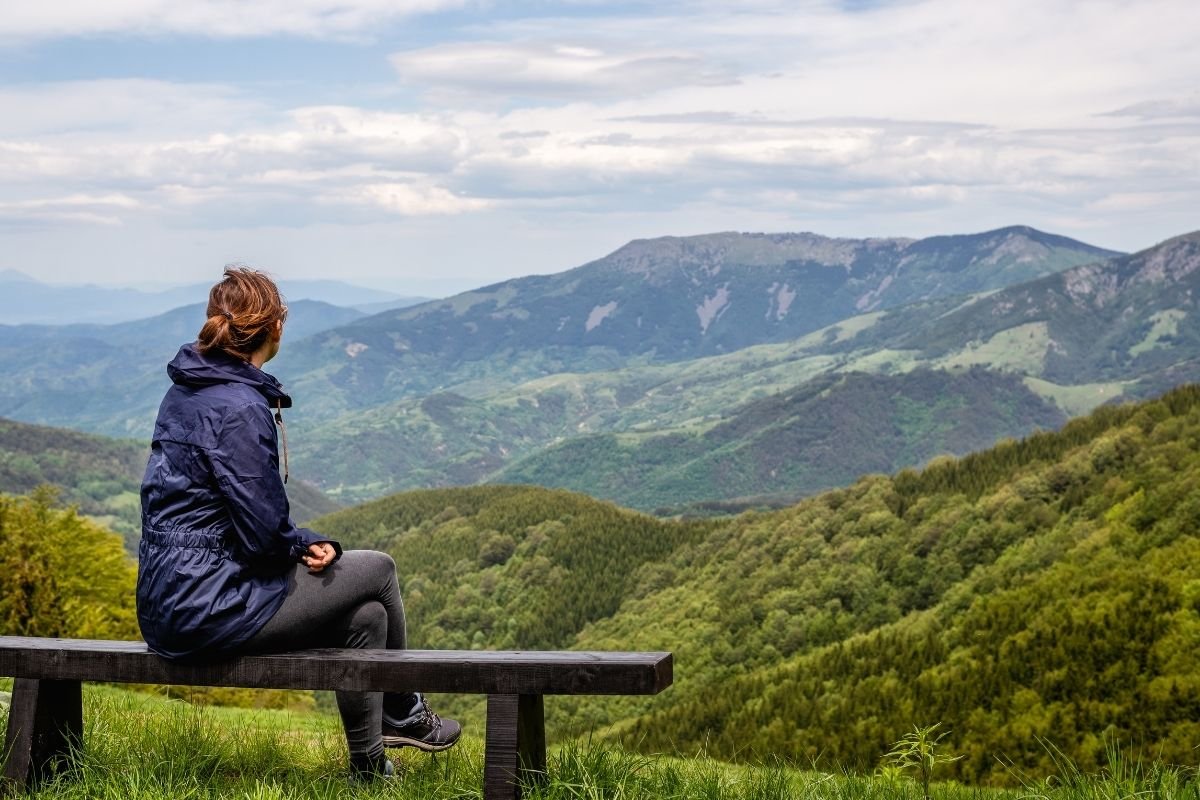
Fresh Air, Clear Mind: The Power of Nature on Mental Health
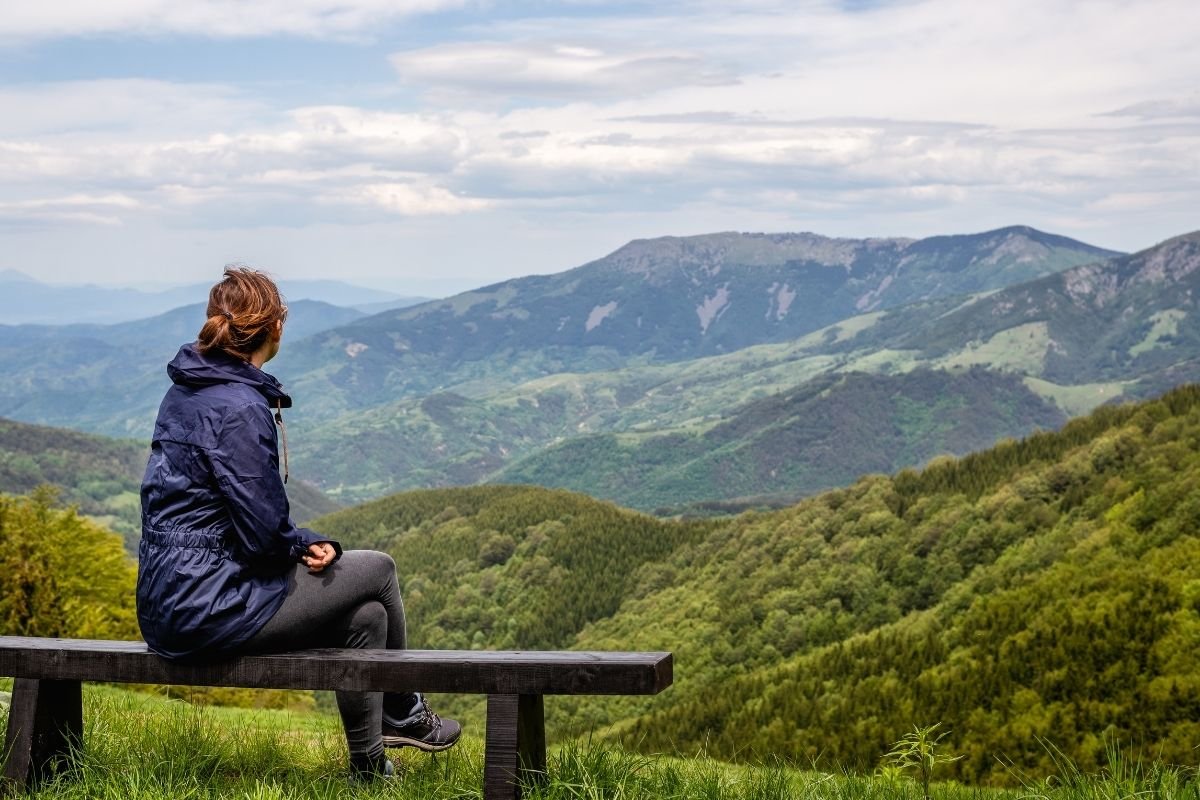
Dose of Nature, a charity founded by former National Health Service (NHS) psychologist Alison Greenwood, is prescribing time in nature as a treatment for mental health. According to an article by Damian Carrington published in The Guardian, Dose of Nature is a U.K. nonprofit organization that provides a “genuine alternative” to therapy based on the healing and well-being effects of being in nature. Clients are referred to the program by their general practitioner. They then enroll in an eight-week course that begins and ends with a discussion and assessment with a psychologist. They are paired with a trained volunteer guide for eight weekly sessions, during which the goal is to connect with nature. Dose of Nature has delivered 1,500 one-on-one courses, with a 64% recovering rate and a 86% reliable improvement rate, outperforming NHS talk therapy and the 50% recovery rate of general health services. Dose of Nature helps clients find ways to connect with nature, whether that is walking on trails, sitting on park benches, playing tennis, doing art, practicing yoga, or anything else they might enjoy outside.
The program is built around the idea that modern life keeps people from spending time in nature.“We are animals that are caged most of our time, in schools or cars or offices or homes,” Greenwood says. “As soon as we get outside, we’re free.” It is not just exercising and walking outdoors, but noticing the calming effect of nature and understanding the science that underlies it. There are many scientific benefits of nature that people are unaware of. Trees and plants give off phytoncides, which boost immune health and decrease stress hormones. Sunlight provides a serotonin boost, and natural sounds like water ripples, wind whispers, and birdsongs have been proven to improve mood. These sounds, along with fractal patterns found in nature, have been shown to boost alpha waves, which induce states of pleasant, relaxed wakefulness and reduce stress.
In addition to the soothing effects of being in nature, Dose of Nature also provides human connection through its course guides. Georgina Gould, the clinical lead for Dose of Nature, notes that having that human connection helps people heal from their negative experiences with mental health services, as the program feels less structured and more human. One of the general practitioners who refers patients to Dose of Nature, Dr. Faisal Islam, also mentioned how helpful it has been for his patients. He has seen many of his patients “getting a new chance,” even after being in and out of psychiatric services and counseling. Dose of Nature Operations Assistant, Tom Krumins, attests to this as well. Three years ago, he was a client struggling with bipolar disorder, and his diagnosis led to multiple hospitalizations. He came to Dose of Nature vulnerable, hopeless, and feeling like his diagnosis was a life sentence. After his time at Dose of Nature, he feels optimistic, more enabled, and hasn't had an episode of mania for three years.
Researchers from the London School of Economics conducted an independent assessment and validated Dose of Nature’s results. They followed 375 people over two and a half years, and found that a Dose of Nature prescription does treat mental illness. Both time in nature and social connection were important factors in the treatment, and the social welfare benefits were estimated to be worth eight times the cost of treatment. Ultimately, Dose of Nature aims to prove that nature can be healing. “You don’t need to make an appointment with nature,” says Greenwood. “This is for everybody. It’s not just for one section of society.”
Women’s Health
Intimate partner violence is associated with cognitive effects six months post-injury
A recent article published in Journal of Neurotrauma found evidence of impairments in memory and new learning in women who have experienced intimate partner violence resulting in brain injury (IPV-BI) beyond six months post-injury. This group included women who had experienced both mild traumatic brain injury (mTBI) and non-fatal strangulation (NFS). Additionally, Researchers Jen Makovec Knight et al. found that women with more than 6 IPV-BIs scored lower than women with fewer or no IPV-BIs on some measures of cognitive function. The researchers also note that IPV survivors showed elevated rates of PTSD, depression, and anxiety, and that these rates were even higher among those with IPV-BI. The authors highlight the need for IPV-BI screening and neuropsychological assessments, as well as targeted interventions for women with IPV-BI. They recommend specific interventions, such as cognitive behavioral therapy that focuses on both psychoeducation and compensation strategies to address cognitive difficulties. Interventions like these can begin to support this underserved population. The researchers caution against making broad generalizations about survivors of IPV-BI and their cognitive abilities.
The researchers recruited 88 participants who had experienced intimate partner violence more than six months previously and 58 healthy controls. Participants completed demographic and biopsychosocial questionnaires, as well as cognitive and mental health assessments, administered by a neuropsychologist, clinical psychologist, or trained research assistant. Participants were grouped based on the frequency and type of IPV they had experienced (IPV-BI >6, IPV-BI 1-6, IPV without BI, and controls), and statistical methods were used to determine whether IPV was associated with long-term cognitive effects.
Cognitive effects were measured using several validated assessments known to be sensitive to the effects of TBI. These assessments included the Rey Auditory Verbal Learning Test, the Wechsler Adult Intelligence Test, the Symbol Digit Modalities Test—Oral Version, and Trail Making Tests A and B. The Test of Premorbid Functioning was also included to estimate intellectual functioning prior to injury. Participants also completed the Brain Injury Screening Questionnaire for IPV and assessments for anxiety, depression, PTSD, and substance abuse.
Limitations of this study are that identification of IPV-BI was based on self-reporting of brain injury, frequency of IPV-BIs was collected using ordinal reporting (ranges rather than a continuous scale), and the sample size was relatively small. The researchers also note that the study does not distinguish between the effects of mTBI and NFS, and does not account for all confounding variables, such as abuse severity.
Psychedelics
Psilocybin-assisted therapy linked to lasting depression improvements at five years
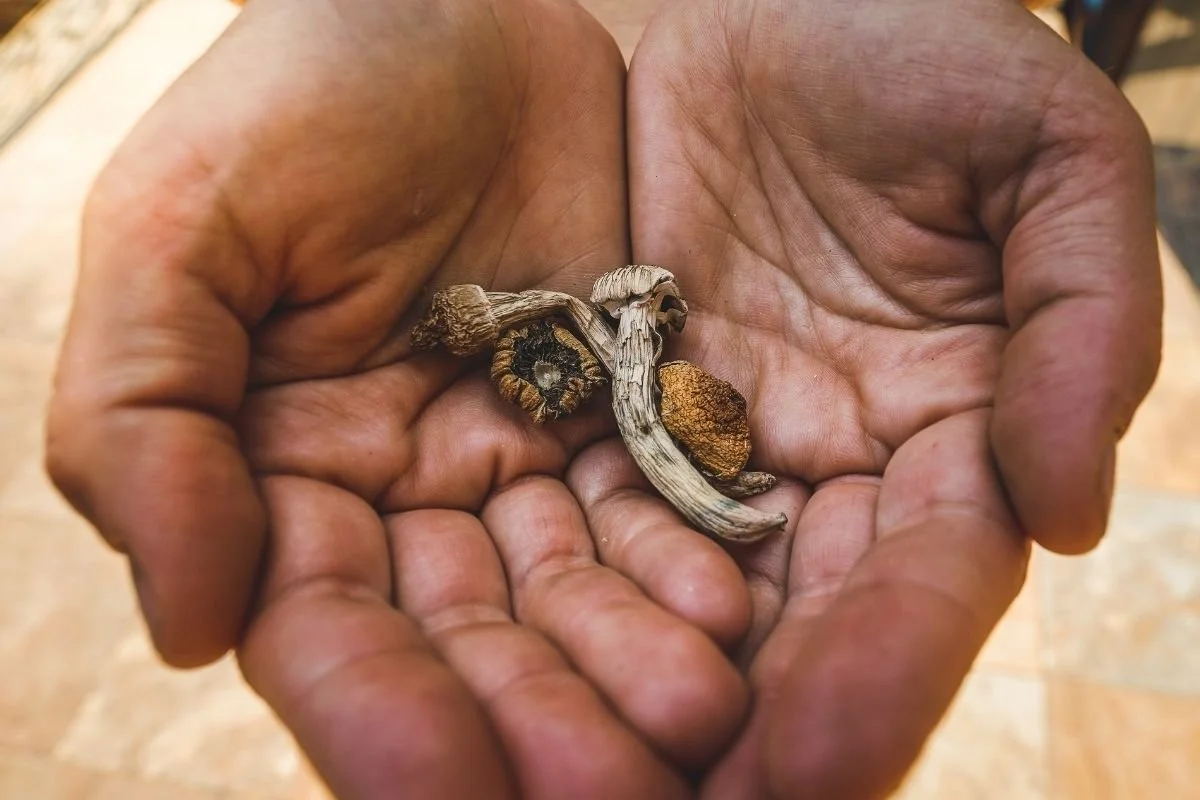
Psilocybin-assisted therapy has shown strong short-term effects for depression, but less is known about how long those effects actually last. The authors Alan K. Davis et al. report that, in a five-year follow-up of a randomized clinical trial, psilocybin-assisted therapy was associated with lasting reductions in depression symptoms in adults with major depressive disorder (MDD), with 67% of participants in remission five years after treatment. The treatment included two psilocybin sessions in the context of supportive psychotherapy. The findings suggest these effects may persist well beyond the initial intervention, though it remains unclear how much of that long-term improvement can be attributed to psilocybin-assisted therapy alone. The study followed 24 adults from the original trial, most of whom completed long-term assessments of depression, anxiety, and daily functioning. The study was published in The Journal of Psychedelic Studies.
Participants were assessed about five years after their psilocybin sessions using clinician-rated and self-reported measures, along with qualitative interviews. Depression scores dropped significantly from baseline and stayed low over time. About two-thirds of participants met criteria for both response (at least 50% reduction in symptoms) and remission (recovery) at follow-up. Improvements were also observed in anxiety and overall functioning across work, social, and family domains. In interviews, participants described lasting changes in how they relate to themselves and others, including greater self-acceptance, stronger relationships, and a shift toward healthier boundaries and overall well-being. Some participants still experienced depressive symptoms, but described them as less severe or easier to manage. These patterns suggest that the benefits of psilocybin-assisted therapy may extend beyond symptom reduction, instead influencing how individuals experience and respond to depression over time.
No severe adverse events related to the treatment were reported, and most participants did not report lasting negative effects. At the same time, the study has clear limitations. The sample size was small and lacked diversity, participants were drawn from a prior clinical trial, and there was no control group at the five-year follow-up. Also, many participants received additional treatments during that period, including antidepressants, psychotherapy, ketamine therapy, or further psychedelic use. These factors make it difficult to isolate the specific role of psilocybin-assisted therapy in the long-term outcomes, but the findings support its potential as a promising long-term approach for treating MDD.
You Can Support Concussion Patients

Join our community of monthly donors committed to improving how concussions are prevented, managed, and treated, thereby supporting long-term brain health for all. Learn more.
You can also make an impact with a one-time gift or tax-friendly options such as Donor Advised Funds (DAFs), IRA Charitable Rollovers, and Planned Giving: leave a gift in your will. Learn more.