Psilocybin-assisted therapy linked to lasting depression improvements at five years
This article was initially published in the 4/2/26 edition of our Concussion Update newsletter; please consider subscribing.
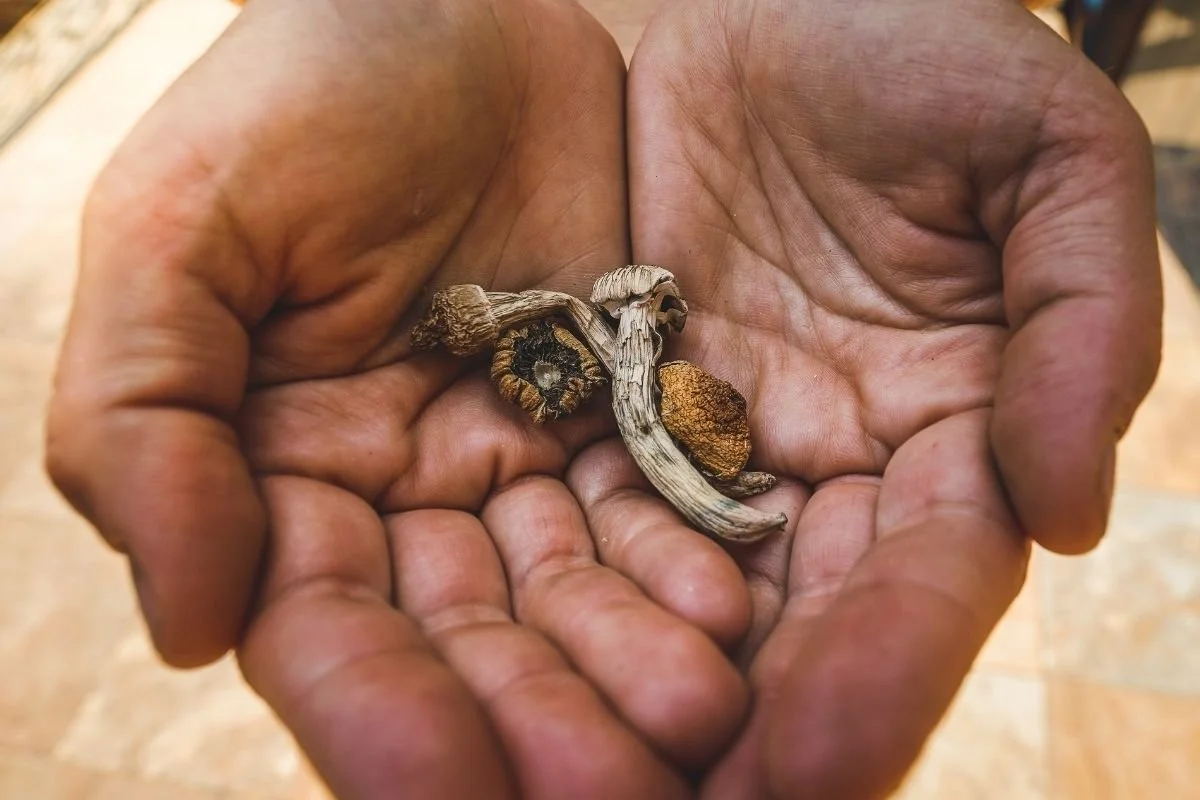
Psilocybin-assisted therapy has shown strong short-term effects for depression, but less is known about how long those effects actually last. The authors Alan K. Davis et al. report that, in a five-year follow-up of a randomized clinical trial, psilocybin-assisted therapy was associated with lasting reductions in depression symptoms in adults with major depressive disorder (MDD), with 67% of participants in remission five years after treatment. The treatment included two psilocybin sessions in the context of supportive psychotherapy. The findings suggest these effects may persist well beyond the initial intervention, though it remains unclear how much of that long-term improvement can be attributed to psilocybin-assisted therapy alone. The study followed 24 adults from the original trial, most of whom completed long-term assessments of depression, anxiety, and daily functioning. The study was published in The Journal of Psychedelic Studies.
Participants were assessed about five years after their psilocybin sessions using clinician-rated and self-reported measures, along with qualitative interviews. Depression scores dropped significantly from baseline and stayed low over time. About two-thirds of participants met criteria for both response (at least 50% reduction in symptoms) and remission (recovery) at follow-up. Improvements were also observed in anxiety and overall functioning across work, social, and family domains. In interviews, participants described lasting changes in how they relate to themselves and others, including greater self-acceptance, stronger relationships, and a shift toward healthier boundaries and overall well-being. Some participants still experienced depressive symptoms, but described them as less severe or easier to manage. These patterns suggest that the benefits of psilocybin-assisted therapy may extend beyond symptom reduction, instead influencing how individuals experience and respond to depression over time.
No severe adverse events related to the treatment were reported, and most participants did not report lasting negative effects. At the same time, the study has clear limitations. The sample size was small and lacked diversity, participants were drawn from a prior clinical trial, and there was no control group at the five-year follow-up. Also, many participants received additional treatments during that period, including antidepressants, psychotherapy, ketamine therapy, or further psychedelic use. These factors make it difficult to isolate the specific role of psilocybin-assisted therapy in the long-term outcomes, but the findings support its potential as a promising long-term approach for treating MDD.