Fresh Air, Clear Mind: The Power of Nature on Mental Health
This article was initially published in the 4/2/26 edition of our Concussion Update newsletter; please consider subscribing.
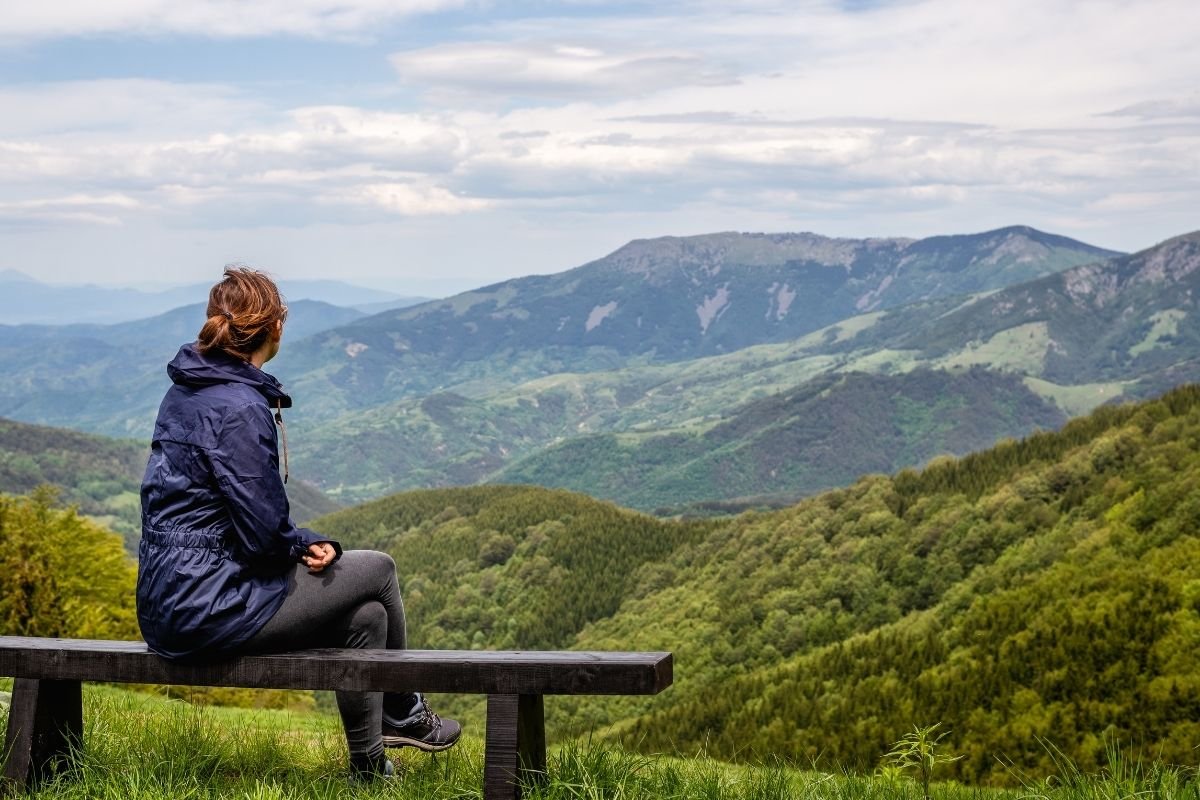
Dose of Nature, a charity founded by former National Health Service (NHS) psychologist Alison Greenwood, is prescribing time in nature as a treatment for mental health. According to an article by Damian Carrington published in The Guardian, Dose of Nature is a U.K. nonprofit organization that provides a “genuine alternative” to therapy based on the healing and well-being effects of being in nature. Clients are referred to the program by their general practitioner. They then enroll in an eight-week course that begins and ends with a discussion and assessment with a psychologist. They are paired with a trained volunteer guide for eight weekly sessions, during which the goal is to connect with nature. Dose of Nature has delivered 1,500 one-on-one courses, with a 64% recovering rate and a 86% reliable improvement rate, outperforming NHS talk therapy and the 50% recovery rate of general health services. Dose of Nature helps clients find ways to connect with nature, whether that is walking on trails, sitting on park benches, playing tennis, doing art, practicing yoga, or anything else they might enjoy outside.
The program is built around the idea that modern life keeps people from spending time in nature.“We are animals that are caged most of our time, in schools or cars or offices or homes,” Greenwood says. “As soon as we get outside, we’re free.” It is not just exercising and walking outdoors, but noticing the calming effect of nature and understanding the science that underlies it. There are many scientific benefits of nature that people are unaware of. Trees and plants give off phytoncides, which boost immune health and decrease stress hormones. Sunlight provides a serotonin boost, and natural sounds like water ripples, wind whispers, and birdsongs have been proven to improve mood. These sounds, along with fractal patterns found in nature, have been shown to boost alpha waves, which induce states of pleasant, relaxed wakefulness and reduce stress.
In addition to the soothing effects of being in nature, Dose of Nature also provides human connection through its course guides. Georgina Gould, the clinical lead for Dose of Nature, notes that having that human connection helps people heal from their negative experiences with mental health services, as the program feels less structured and more human. One of the general practitioners who refers patients to Dose of Nature, Dr. Faisal Islam, also mentioned how helpful it has been for his patients. He has seen many of his patients “getting a new chance,” even after being in and out of psychiatric services and counseling. Dose of Nature Operations Assistant, Tom Krumins, attests to this as well. Three years ago, he was a client struggling with bipolar disorder, and his diagnosis led to multiple hospitalizations. He came to Dose of Nature vulnerable, hopeless, and feeling like his diagnosis was a life sentence. After his time at Dose of Nature, he feels optimistic, more enabled, and hasn't had an episode of mania for three years.
Researchers from the London School of Economics conducted an independent assessment and validated Dose of Nature’s results. They followed 375 people over two and a half years, and found that a Dose of Nature prescription does treat mental illness. Both time in nature and social connection were important factors in the treatment, and the social welfare benefits were estimated to be worth eight times the cost of treatment. Ultimately, Dose of Nature aims to prove that nature can be healing. “You don’t need to make an appointment with nature,” says Greenwood. “This is for everybody. It’s not just for one section of society.”