Olympic gold medal bobsledder Elana Meyers Taylor advocates for better concussion care
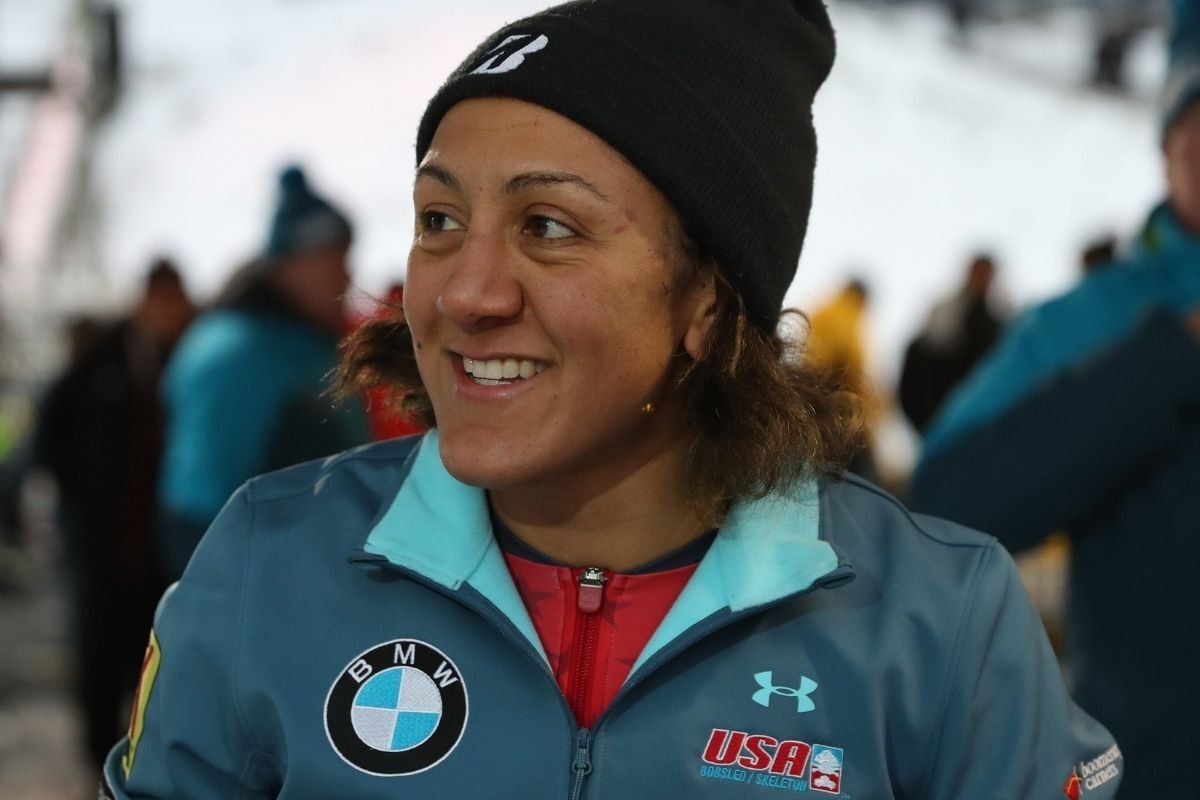
Attribution: Sandro Halank, Wikimedia Commons, CC BY-SA 4.0
This file is licensed under the Creative Commons Attribution-Share Alike 4.0 International license.
By Zoe Marquis. This article was initially published in the 2/26/26 Edition of our Concussion Update newsletter; please consider subscribing.
Olympic gold medal Bobsledder Elana Meyers Taylor sustained a concussion in 2015 that left her with persisting symptoms for years after. Going into the 2026 Winter Olympics, her perspective and goals had shifted, according to an article by Gina Shaw for Brain & Life. “It’s not necessarily about winning every week. It’s about winning when it matters most,” she said. “Bobsled doesn’t define me. If it becomes too risky, then we step away.” Along with her change of perspective, Meyers Taylor now advocates for better concussion education and care. She highlights the importance of recognizing concussion as a rehabilitative injury, engaging in active, multidisciplinary rehabilitation, and expanding research on concussion in women.
One of the most decorated bobsledders in U.S. history, Meyers Taylor has won six Olympic medals across five Games—including a gold medal in the 2026 Winter Olympics. However, her bobsled career was interrupted after she sustained a concussion in 2015. At first, she convinced herself that she was fine and continued racing. Her cognitive evaluations and brain scans were normal. But something wasn’t right. She experienced significant mood changes after her concussion, and during a competition in Altenberg, Germany, she “felt like [she] blacked out in the middle of a curve.” This experience prompted her to stop competing and seek care.
Meyers Taylor’s experience is not uncommon. Concussions affect the brain at the cellular level, so they do not show up on standard clinical brain imaging scans. Because of this, clinicians rely on self-reported symptoms and observable signs for diagnosis. On top of that, concussion symptoms can show up differently in different people, and some people may have different subsets of symptoms than others.
When Meyers Taylor decided to seek care for her persisting symptoms, she was referred to a multidisciplinary concussion rehabilitation program. There, she found out that she had issues with eye tracking, neck stability, autonomic function, and nutrition. She worked with her care team to engage in active rehabilitation, including visual and vestibular exercises, balance training, therapies meant to regulate the autonomic nervous system, and vagus nerve stimulation. Meyers Taylor also pledged to donate her brain for research. “There are so few women’s brains studied,” she said. “We’re more likely to get concussions, and we don’t know enough about how they affect us long term.”
